

 English
 Español
 عربى
عربىWall-mounted kitchen sink faucet installs directly on the wall, with supply lines running inside the structure and the spout extending outward over the basin. The countertop remains completely clear, ...
See Details
 Email: [email protected]
Sourcing faucets for a project, a retail line, or a hospitality build-out is not a simple price comparison. A supplier that looks fine on a product page can still cause delays, failed inspections, or returns once the order arrives. For buyers working on B2B orders, a short checklist before signing a contract can save weeks of back-and-forth later. Here are ten points worth checking before you commit to a faucet supplier.
Start by confirming whether the company you're talking to actually owns a factory, or if it's a trading company that sources from multiple workshops. Both models exist in the market and both can work, but they come with different tradeoffs.
A factory-owned supplier usually gives you more direct control over production scheduling, material batches, and quality checks, since the whole process happens under one roof. A trading company can sometimes offer wider product ranges because it pulls from several factories, but consistency between orders may vary more.
If you're not sure which type you're dealing with, ask for photos or a video call of the production floor, and check if the business license matches a manufacturing scope rather than only a trading scope.
Faucet bodies are usually made from brass, zinc alloy, or stainless steel, and the casting method affects both cost and durability.
| Material | Common Casting Method | Notes |
|---|---|---|
| Brass | Gravity casting or low-pressure die casting | Gravity casting is slower but produces denser, fewer-porosity parts |
| Zinc alloy | Die casting | Lower cost, generally lower pressure tolerance than brass |
| Stainless steel | Investment casting or tube forming/welding | Requires more machining time, no plating layer to wear off |
Ask your supplier which casting method they use for the specific model you're ordering, since some product lines mix materials for the body, handle, and internal valve to control cost. A quick way to verify claims is to request a material test report or ask for a sample cut open to inspect wall thickness.
Certification requirements differ by country, so check which ones apply to where you're selling before you assume a supplier's paperwork covers your market.
| Certification | Region | What It Covers |
|---|---|---|
| NSF/ANSI 61 & 372 | United States, Canada | Material safety and a lead content limit of 0.25% for drinking water contact |
| cUPC | United States, Canada | Compliance with plumbing codes for fixtures |
| WaterSense | United States | Flow rate and water efficiency requirements |
| CE | European Union | General product safety declaration |
| ISO 9001 | Global | Quality management system certification for the factory, not the product itself |
Reputable suppliers usually run internal testing before a product ships, and some of these tests are referenced by industry standards bodies. Figures below reflect commonly referenced ranges; actual results vary by supplier and product grade, so ask for the specific test report tied to your order.
| Test | What It Measures | Commonly Referenced Range |
|---|---|---|
| Valve cycle test | How many open/close cycles the cartridge withstands before failure | Often 100,000 to 500,000+ cycles, depending on cartridge grade |
| Salt spray test (ASTM B117 / CASS) | Surface corrosion resistance of plating or coating | Typically tested for 24 to 96 hours, depending on finish type |
| Water pressure test | Whether the body and joints hold pressure without leaking | Usually tested at 1 MPa or above per plumbing code requirements |
| Torque test | Durability of the handle and mounting hardware | Varies by product design, no single universal figure |
If a supplier can't produce a report for these tests when asked, that's worth noting before placing a large order.
For B2B buyers building a private label line, customization options matter more than a standard catalog. Ask specifically about:
Some suppliers offer full ODM development, meaning they can design a new mold based on your sketch or reference image, while others only offer finish and branding changes on existing molds. Clarify this early, since mold development adds cost and lead time.
MOQ and lead time affect cash flow and inventory planning, so get specific numbers in writing rather than a general estimate.
| Order Type | Typical MOQ Range | Typical Lead Time |
|---|---|---|
| Standard catalog item, standard finish | Around 100–300 pieces | 20–35 days |
| Custom finish on existing mold | Around 300–500 pieces | 30–45 days |
| New mold / ODM development | Varies by project scope | 45–90 days including mold tooling |
These are general ranges rather than fixed figures, since factory capacity and current order volume both affect timing. Ask your supplier to confirm numbers for the exact model and finish you need.
Before placing a bulk order, request a sample to check fit, finish, and packaging in person. Ask these questions:
A supplier that resists sending samples, or only offers photos instead of a physical unit, is a signal to ask more questions before moving forward.
Ask how quality control is handled at each stage: incoming raw material, in-process production, and pre-shipment. Some points worth confirming:
Third-party inspection is a common and reasonable request for a first order, even if the cost is shared or covered by the buyer.
Response time and technical clarity during the inquiry stage often reflect how the relationship will run after the order ships. Watch for:
If a supplier struggles to answer basic technical questions clearly before the sale, that pattern usually continues afterward.
Finally, check how long the faucet supplier has been exporting, and to which regions. This isn't about age alone — a newer faucet factory with strong technical staff can still be a solid partner — but export history gives you a way to verify references and get a sense of how the supplier handles unfamiliar markets, documentation, and long-distance logistics.
Ask for:
Combined with the points above, this gives you a fuller picture before signing a purchase agreement.
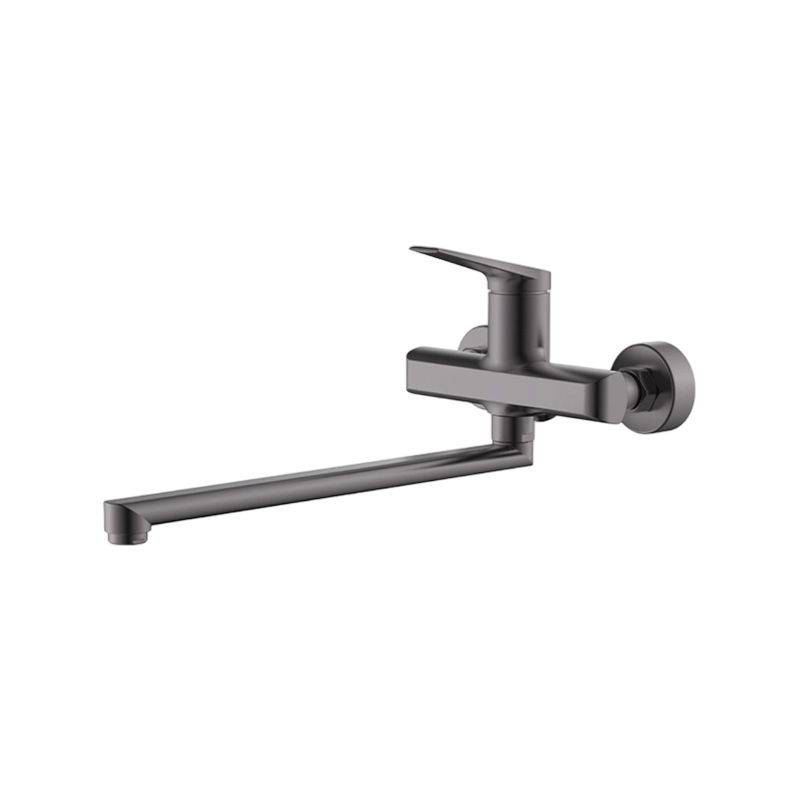
Wall-mounted kitchen sink faucet installs directly on the wall, with supply lines running inside the structure and the spout extending outward over the basin. The countertop remains completely clear, ...
See Details
A high-arc rotating vertical kitchen faucet with mounting base does two things at once: it gives you a tall, swiveling spout with real clearance for large pots and pans, and it solves the hole mismatc...
See Details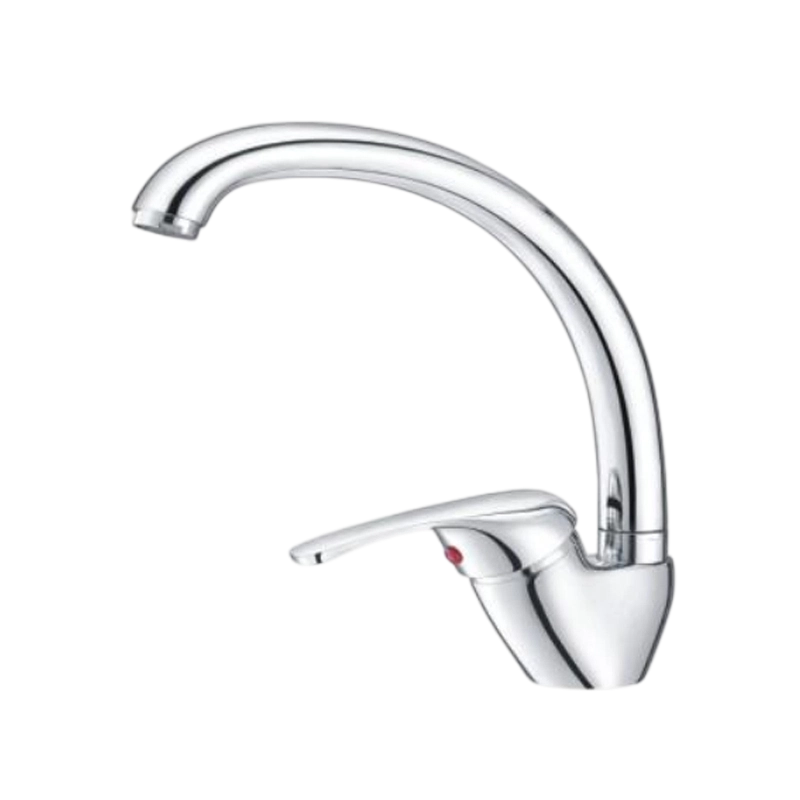
High gooseneck spout vertical kitchen faucet takes the familiar curved spout design and pushes it further — a more pronounced S-curve, a higher spout position, and noticeably more clearance under the ...
See Details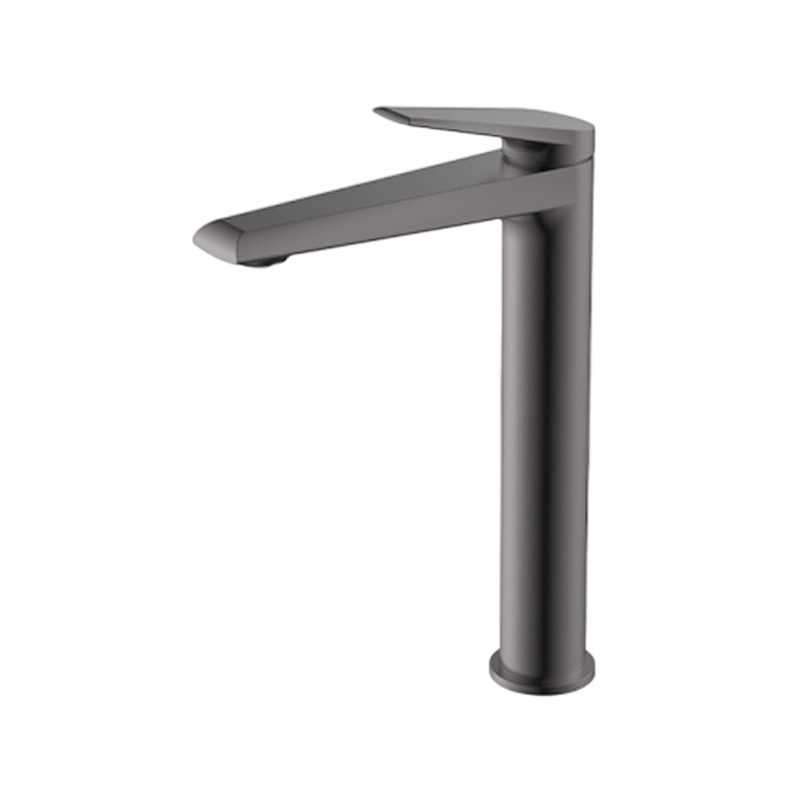
A single handle tall stainless steel washbasin faucet is mounted on a washbasin or countertop. The spout sits higher than standard basin faucets, leaving more clearance between the spout and the basin...
See Details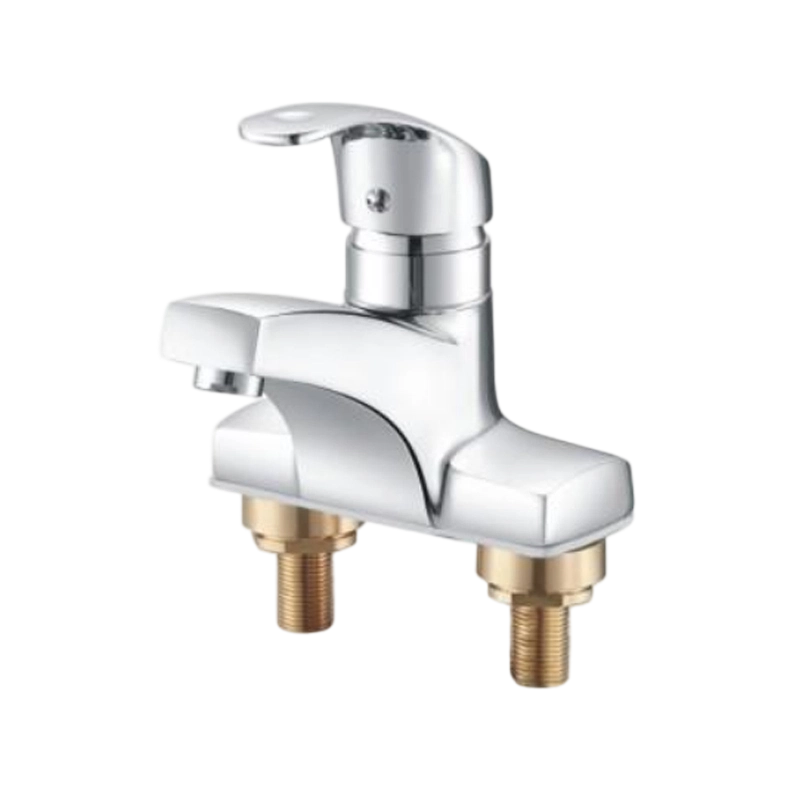
This is Heavy-Duty Solid Double-Hole Washbasin Faucet installed on a washbasin. The dual-hole design means that the hot and cold water inlets pass through two holes on the countertop. "Solid" refers t...
See Details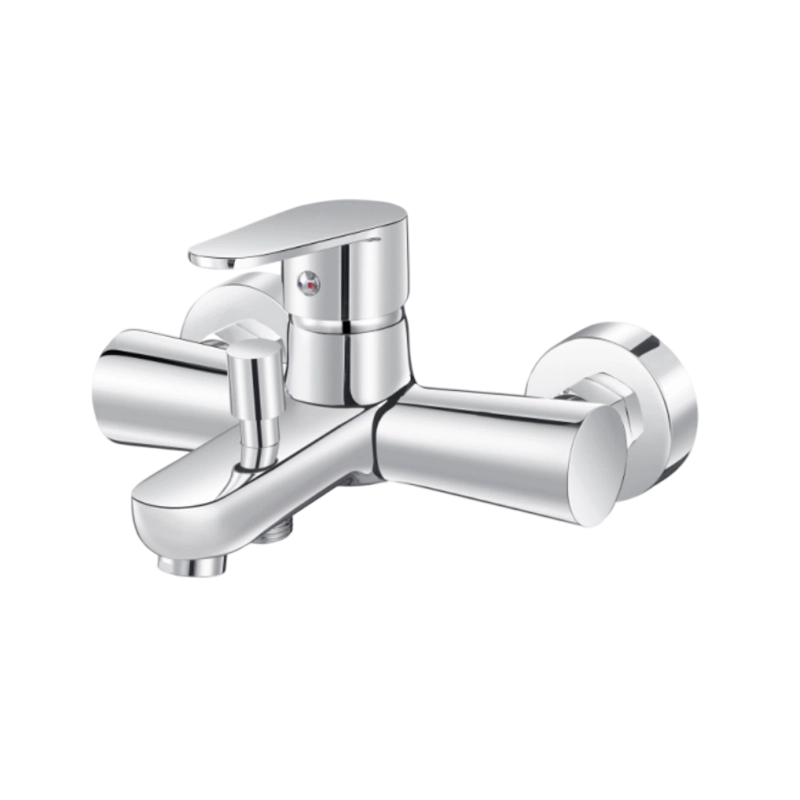
This multi-functional, compact wall-mounted bathtub faucet is designed for demanding commercial and residential projects, offering flexible water flow control while saving space. Buyers often use it i...
See Details

