
News
 Email: [email protected]
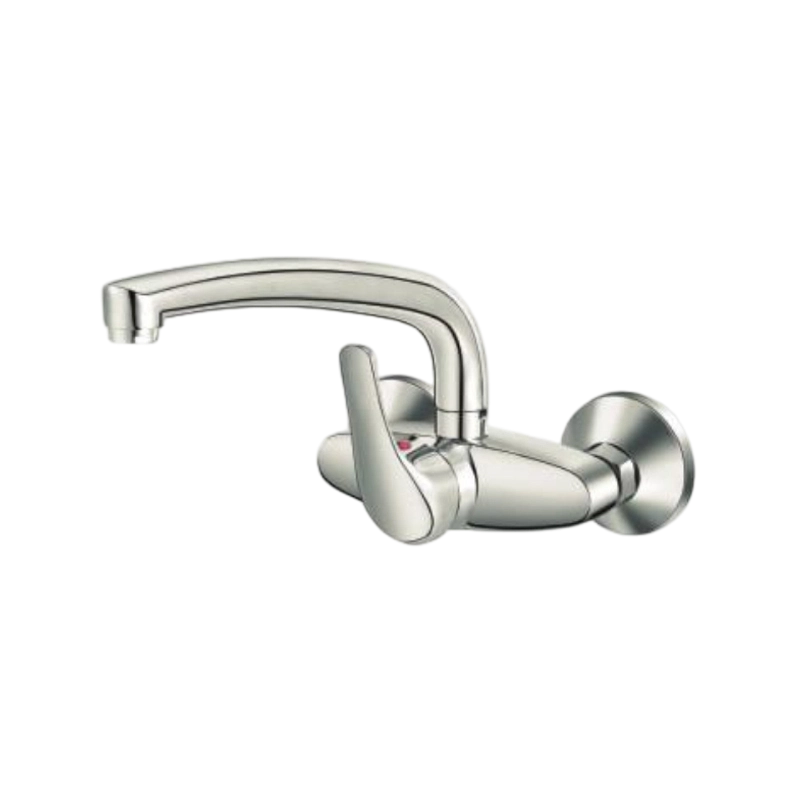
Table of Contents Why the Selection Process Matters for a Wholesale Order Step 1: Match the Faucet Type to Your Sales Channel Step 2: Compare Body Materials — Brass vs Stainless Steel Step 3: Check the Cartridge and Valve Quality Step 4: Review Finish and Surface Coating Options Step 5: Confirm Flow Rate and Certification Requirements Step 6: Evaluate OEM/ODM and Customization Capability Sink Water Faucet Specification Checklist Common Mistakes Wholesale Buyers Make Company Recommendation Product Picks for Wholesale Orders FAQ 1Why the Selection Process Matters for a Wholesale Order Picking a sink water faucet for a personal home is a quick decision. Picking one for a wholesale order is not. A single wrong specification — the wrong thread size, a cartridge that fails early, a finish that scratches during transit — turns into a container full of returns and an unhappy retail partner. Wholesale buyers, distributors, and OEM/ODM clients need a repeatable way to check a faucet before committing to a bulk purchase order. This guide breaks that process into six practical steps, followed by a specification checklist and a supplier recommendation to help with the next round of quotations. 2Step 1: Match the Faucet Type to Your Sales Channel 1 Identify who the end buyer actually is A faucet destined for a hardware wholesaler's shelf has different priorities than one going into a hotel back-of-house kitchen or a modular kitchen package for a real estate developer. Residential renovation projects tend to favor appearance and mid-range pricing, while commercial kitchens weigh durability and flow performance more heavily. 2 Decide between deck-mounted, wall-mounted, and vertical types Deck-mounted faucets install directly on the sink or countertop and remain the most common request. Wall-mounted models suit farmhouse or apron-front sinks. Tall vertical or gooseneck spouts work well for deep basins and workstation sinks. Confirming which type moves fastest in your target market avoids overstocking a slow-selling configuration. 3Step 2: Compare Body Materials — Brass vs Stainless Steel Brass remains the standard body material for sink water faucets because it casts and machines easily, holds plating well, and keeps unit cost manageable at volume. Lead-free brass alloys are widely used to meet drinking water safety rules in many markets. Stainless steel, usually SUS304 grade, is a common alternative for buyers targeting markets with stricter lead-content regulations or a food-contact-safety marketing angle. It resists corrosion well in hard or salty water conditions and does not need a plating layer to look finished, though it typically costs more to machine than brass. Sourcing tip: ask the factory for the exact alloy grade in writing (for example HPb59 lead-free brass or SUS304 stainless steel), rather than accepting a general "brass" or "steel" label on the quotation. 4Step 3: Check the Cartridge and Valve Quality The cartridge is the part that fails first on a low-quality faucet. Ceramic disc cartridges are the standard choice across the industry because they resist mineral buildup and give smoother handle operation than older rubber-seal designs. When comparing suppliers, ask which cartridge brand or factory they use, and whether the cartridge is rated for a defined number of open-close cycles. For single-handle faucets, also confirm the cartridge diameter, since replacement parts availability in the destination market can affect after-sales service for your retail or project clients. 5Step 4: Review Finish and Surface Coating Options Polished chrome is still the most widely recognized finish and a safe base SKU for a general catalog. Matte black, brushed nickel, and champagne gold finishes have become regular additions rather than niche options, partly because matte and brushed surfaces show fewer fingerprints and water spots than a mirror-polished surface. Ask about the plating or PVD (physical vapor deposition) process used, and whether a salt spray test result is available. This test measures how long a coating resists corrosion under controlled conditions and is a common reference point in faucet manufacturing quality control. 6Step 5: Confirm Flow Rate and Certification Requirements Flow rate affects both water-efficiency labeling and how the faucet performs in daily use. Standard kitchen faucet aerators typically flow at roughly 1.8 to 2.2 gallons per minute (about 6.8 to 8.3 liters per minute), with reduced-flow aerators available for markets that reference WaterSense or similar efficiency programs. Certification requirements vary by destination market. Common reference points include CE marking for the European market, ISO 9001 as a general manufacturing quality standard, and various national plumbing or drinking-water-contact certifications. Confirm which certifications the supplier already holds versus which ones would need to be arranged for your specific order. 7Step 6: Evaluate OEM/ODM and Customization Capability Many wholesale buyers eventually want a private label line rather than reselling a generic product. Before placing a bulk order, check whether the supplier supports: Custom logo printing and color-box packaging design Finish or handle shape adjustments on an existing mold New mold development for a fully custom shape Small-batch sampling before a full production run Clarifying customization scope early prevents surprises around minimum order quantity and lead time once the order is already in motion. 8Sink Water Faucet Specification Checklist Use this table as a working checklist when comparing quotations across suppliers. Figures shown are general industry reference ranges, not fixed specifications — always confirm exact numbers with the specific factory and product. General reference ranges for sink water faucets — confirm exact figures per product with the supplier. Specification Common Reference Range Why It Matters Body material Lead-free brass (e.g. HPb59) or SUS304 stainless steel Affects corrosion resistance, weight, and cost Cartridge type Ceramic disc, single or dual handle Directly affects service life and handle feel Mounting thread G1/2 inch standard connection (varies by market) Determines plumbing fitting compatibility Aerator flow rate About 1.8–2.2 GPM (6.8–8.3 L/min); lower for WaterSense-referenced models Relevant for water-efficiency labeling Finish options Chrome, brushed nickel, matte black, gunmetal, brushed gold Drives plating line requirements and cost Hose length (pull-out models) About 20–24 inches (50–60 cm) Affects working reach over the sink basin Reference certifications CE, ISO 9001, plus market-specific plumbing certifications Supports import compliance checks 9Common Mistakes Wholesale Buyers Make Comparing quotations on price alone without confirming that both suppliers quoted the same material grade and cartridge type. Skipping the sample stage to save time, then discovering a finish or handle feel issue after the full order has shipped. Not confirming mold ownership in writing before paying for a custom mold development fee. Assuming certifications are automatic — some certifications apply to a specific product only, not the entire factory catalog. 10Company Recommendation Taizhou Kolego Hardware Manufacturing Co., Ltd. Kolego is a Zhejiang-based manufacturer producing sink water faucets, washbasin faucets, bidet faucets, bathtub faucets, and shower faucets in both stainless steel and brass. The kitchen sink faucet range covers wall-mounted, vertical/gooseneck, and pull-out configurations, matching the type and material comparisons covered in this guide. Brass & SUS304 Options OEM / ODM Support Small-Batch Sampling CE & ISO 9001 The company supports OEM/ODM cooperation including appearance customization (color, surface finish, handle shape), packaging customization (private labeling, color box design, label printing), and certification adaptation for different target markets. Small-batch sampling is available before committing to a bulk production run. View Kitchen Sink Faucet Range → 11Product Picks for Wholesale Orders Three products from Kolego's current sink water faucet range fit common wholesale requirements described above: SUS304 Kitchen Faucet With Liftable Spout A stainless steel body with a spout that slides vertically along the riser — a fit for buyers prioritizing the material comparison covered in Step 2. View product → Wall-Mounted Kitchen Sink Faucet Installs directly on the wall with supply lines running inside the structure, matching the wall-mounted type discussed in Step 1. View product → Pull-Out Kitchen Faucet With Retractable Nozzle A flexible-hose pull-out spray head design, a common request for general wholesale catalogs and OEM starter lines. View product → 12FAQ What is a reasonable minimum order quantity for a wholesale trial order? This varies by supplier and by whether the item is a standard in-stock model or a customized product. Confirm the minimum order quantity policy directly with the sales team before finalizing a product mix. Should I request small-batch samples before a bulk order? Yes. Sampling lets you check finish color, handle feel, and packaging quality before committing to full production, and it is a standard step most manufacturers support. Is stainless steel always worth the higher cost compared to brass? Not always. It depends on the target market and whether lead-content rules or a food-safety marketing angle apply. For general residential markets, brass remains a workable and cost-effective option. Can I request a private label package on these product picks? Manufacturers offering OEM/ODM service can typically apply private label packaging and logo printing to existing product lines, including the models referenced in this guide. Confirm minimum order quantity and lead time directly with the supplier. :root{ --navy:#0b3b5c; --blue:#0f6fbe; --teal:#0e8f8a; --teal-light:#e6f6f5; --blue-light:#eaf4fc; --gold:#c98a2c; --gold-light:#fbf1e0; --ink:#22303c; --muted:#5b6b78; --border:#dbe6ec; --bg:#fbfcfd; } *{box-sizing:border-box;} body{ margin:0; background:var(--bg); color:var(--ink); font-family:"Segoe UI", "Helvetica Neue", Arial, "PingFang SC", sans-serif; line-height:1.75; font-size:16px; } .wrap{max-width:860px;margin:0 auto;padding:0 20px 60px;} header.hero{ background:linear-gradient(135deg,var(--navy),var(--blue) 70%); color:#fff; padding:48px 20px 40px; text-align:center; } header.hero .kicker{ text-transform:uppercase; letter-spacing:2px; font-size:14px; color:#bfe0f7; margin-bottom:10px; } header.hero h1{ margin:0 0 14px; font-size:clamp(24px,3.6vw,36px); line-height:1.35; } header.hero p{ max-width:640px; margin:0 auto; color:#e4f1fb; font-size:15.5px; } .meta-bar{ display:flex; flex-wrap:wrap; gap:10px; justify-content:center; margin-top:20px; font-size:14px; } .meta-bar span{ background:rgba(255,255,255,0.14); padding:5px 12px; border-radius:20px; } .toc{ background:#fff; border:1px solid var(--border); border-left:5px solid var(--teal); border-radius:8px; padding:22px 26px; margin:34px 0; } .toc h2{ margin:0 0 12px; font-size:16px; color:var(--teal); text-transform:uppercase; letter-spacing:1px; } .toc ol{margin:0;padding-left:20px;font-size:15px;} .toc li{margin-bottom:6px;} .toc a{color:var(--navy);text-decoration:none;} .toc a:hover{text-decoration:underline;color:var(--blue);} section{margin:38px 0;} h2{ color:var(--navy); font-size:21px; border-bottom:2px solid var(--blue-light); padding-bottom:8px; margin-bottom:16px; } h2 .num{ display:inline-block; background:var(--blue); color:#fff; width:28px; height:28px; line-height:28px; text-align:center; border-radius:6px; font-size:14px; margin-right:10px; } h3{color:var(--teal);font-size:17px;margin-top:22px;} p{margin:12px 0;color:var(--ink);font-size:16px;} ul,ol.plain{margin:12px 0;padding-left:22px;} li{margin-bottom:6px;font-size:16px;} .callout{ background:var(--blue-light); border-left:4px solid var(--blue); padding:14px 18px; border-radius:6px; margin:18px 0; font-size:15px; } .callout.gold{background:var(--gold-light);border-left-color:var(--gold);} .callout.teal{background:var(--teal-light);border-left-color:var(--teal);} table{ width:100%; border-collapse:collapse; margin:16px 0; font-size:15px; background:#fff; } caption{ caption-side:top; text-align:left; font-size:14px; color:var(--muted); margin-bottom:6px; font-style:italic; } th{ background:var(--navy); color:#fff; text-align:left; padding:10px 12px; font-weight:600; font-size:15px; } td{ padding:10px 12px; border-bottom:1px solid var(--border); font-size:15px; } tr:nth-child(even) td{background:#f4f9fb;} .steps{ counter-reset:step; margin:20px 0; } .step-item{ display:flex; gap:14px; align-items:flex-start; border:1px solid var(--border); border-radius:8px; padding:16px 18px; margin-bottom:12px; background:#fff; } .step-item .step-num{ flex:0 0 auto; width:32px;height:32px; border-radius:50%; background:var(--teal); color:#fff; display:flex; align-items:center; justify-content:center; font-weight:700; font-size:15px; } .step-item h3{margin:0 0 6px;font-size:16px;} .step-item p{margin:0;font-size:15px;} .product-grid{ display:grid; grid-template-columns:repeat(auto-fit,minmax(230px,1fr)); gap:16px; margin:18px 0; } .product-card{ border:1px solid var(--border); border-top:4px solid var(--teal); border-radius:8px; padding:16px 18px; background:#fff; } .product-card h4{ margin:0 0 8px; color:var(--navy); font-size:15.5px; } .product-card p{ font-size:14.5px; color:var(--muted); margin:0 0 10px; } .product-card a{ font-size:14.5px; color:var(--blue); text-decoration:none; font-weight:600; } .product-card a:hover{text-decoration:underline;} .company-box{ background:#fff; border:1px solid var(--border); border-radius:10px; padding:24px 26px; margin:20px 0; border-top:5px solid var(--gold); } .company-box h3{margin-top:0;color:var(--navy);} .company-box p{font-size:15.5px;} .tag-row{margin:12px 0;} .tag{ display:inline-block; background:var(--teal-light); color:var(--teal); font-size:14px; padding:4px 10px; border-radius:14px; margin:0 6px 6px 0; } .faq details{ border:1px solid var(--border); border-radius:6px; padding:12px 16px; margin-bottom:10px; background:#fff; } .faq summary{ cursor:pointer; font-weight:600; color:var(--navy); font-size:15.5px; } .faq p{margin-top:8px;font-size:15px;} footer.article-footer{ text-align:center; padding:26px 20px 10px; color:var(--muted); font-size:14px; border-top:1px solid var(--border); margin-top:40px; } a.cta-btn{ display:inline-block; background:var(--blue); color:#fff; padding:10px 22px; border-radius:6px; text-decoration:none; font-size:14.5px; font-weight:600; margin-top:10px; } a.cta-btn:hover{background:var(--navy);}
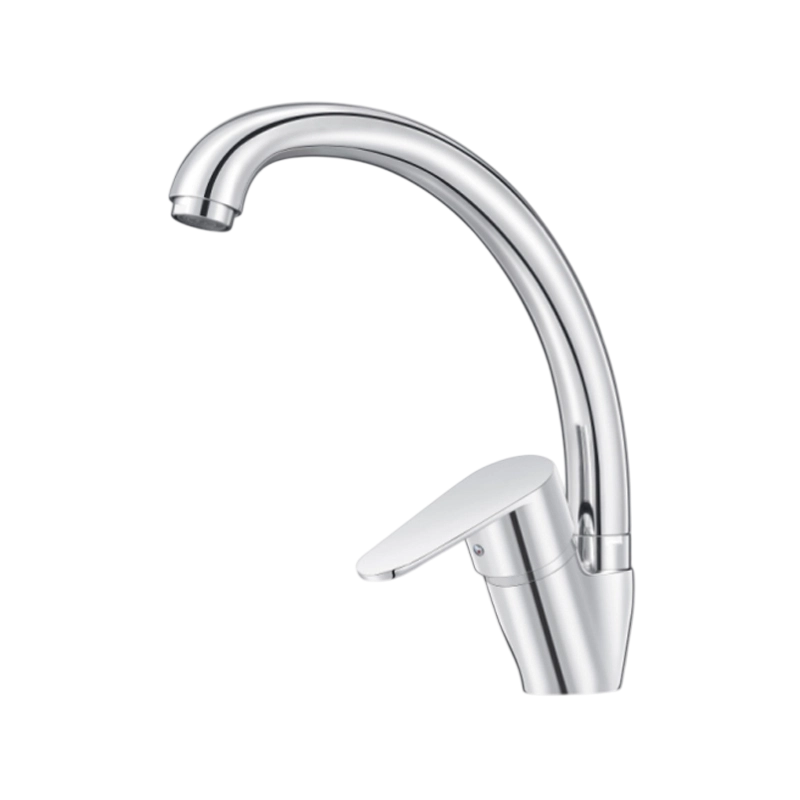
Table of Contents Why Kitchen Faucet Trends Matter for Procurement Planning Finish Trend: Matte and Brushed Surfaces Keep Gaining Space Function Trend: Pull-Down and Pull-Out Sprayers Stay in Demand Material Trend: SUS304 Stainless Steel Requests Keep Rising Technology Trend: Touch and Sensor Activation Move Into Mid-Range Lines Filtration Trend: Faucets With a Built-In Purified Water Port Form Trend: Taller Gooseneck and Vertical Spouts Sourcing Considerations for OEM/ODM Buyers Company Recommendation: Working With a Kitchen Faucet Manufacturer Product Picks That Match These Trends FAQ 1Why Kitchen Faucet Trends Matter for Procurement Planning A buyer scrolling through a supplier catalog in early 2026 will notice something right away: the kitchen faucet aisle looks different than it did three years ago. Chrome is still around, but it now shares shelf space with matte black, brushed gold, and gunmetal finishes. Handles are getting simpler. Spouts are getting taller. And more listings mention a filtration port or a sensor switch than they used to. For a wholesale buyer, an OEM/ODM client, or a distributor building next season's line sheet, these shifts are not just style notes. They affect tooling decisions, packaging artwork, and which SKUs are worth stocking in volume. 2Finish Trend: Matte and Brushed Surfaces Keep Gaining Space Polished chrome remains the standard entry-level finish across price tiers, largely because it is easy to produce, easy to clean, and familiar to end users. But matte black, brushed nickel, and champagne gold finishes have moved from niche add-ons to regular line items in many catalogs. Part of the reason is practical: matte and brushed surfaces show fewer fingerprints and water spots than a mirror-polished chrome surface, which matters in a fixture that gets touched with wet hands multiple times a day. From a sourcing standpoint, adding a matte or brushed option usually means an additional plating or PVD (physical vapor deposition) step rather than a different mold, so it can often be added to an existing product line without a full retool. Buyers requesting a new finish should ask the supplier directly whether the change affects the minimum order quantity, since color runs sometimes require a separate plating batch. 3Function Trend: Pull-Down and Pull-Out Sprayers Stay in Demand Pull-down and pull-out faucets, where the spray head detaches from the spout and extends on a flexible hose, continue to make up a large share of new kitchen faucet inquiries. The appeal is straightforward: one fixture covers both a steady stream for filling pots and a spray pattern for rinsing produce or dishes, without needing a second tap. For OEM buyers building a private label line, pull-out models tend to work well as an entry point because the mechanism is well understood by factories, spare hoses and cartridges are widely available, and the design translates across several finish options without extra engineering work. 4Material Trend: SUS304 Stainless Steel Requests Keep Rising Brass has long been the default body material for kitchen faucets because it is easy to cast and machine. Stainless steel, particularly SUS304 grade, has been showing up more often in inquiries, especially from buyers targeting markets with lead-content restrictions or from clients marketing toward a food-contact-safety angle. Stainless steel bodies are more resistant to corrosion in areas with hard or salty water, and they do not require a nickel or chrome plating layer to look finished, since the raw material itself can be brushed or polished directly. The tradeoff is that stainless steel is harder to machine than brass, so tooling and unit cost can run a bit higher, and design options may be somewhat more limited compared to cast brass parts. Sourcing note: when a buyer asks for SUS304, it is worth confirming in writing that the entire wetted body is stainless steel, not just the visible spout, since mixed-material construction is still common in the lower price segment. 5Technology Trend: Touch and Sensor Activation Move Into Mid-Range Lines Touch-activated and infrared sensor faucets used to sit almost entirely in the premium and commercial segments. That is shifting. Sensor modules and touch-sensitive control boards have become more affordable to source as standalone components, which means more mid-range residential product lines now include at least one sensor-activated SKU. For B2B buyers, the practical consideration is less about the technology itself and more about supply chain reliability for the electronic components — battery type, module lead time, and after-sales replacement parts — since these add a layer of complexity that a purely mechanical faucet does not have. 6Filtration Trend: Faucets With a Built-In Purified Water Port Combination faucets that pair a regular tap with a separate outlet connected to an under-sink filtration or reverse osmosis system continue to appear more often in inquiries, particularly from buyers supplying modular kitchen packages or renovation projects. This design saves counter space compared to installing a standalone filtered water tap next to the main faucet. Buyers evaluating this category should confirm the connection thread standard used for the filtration port, since compatibility with common under-sink filter systems in the destination market can affect how easily the end customer installs it. 7Form Trend: Taller Gooseneck and Vertical Spouts Sink basins have been getting deeper in many residential renovation projects, particularly for undermount and workstation-style sinks. That has pushed demand toward taller gooseneck and vertical spout designs, which give more clearance for filling large pots or washing bulky cookware without splashing against a short spout. This trend pairs naturally with the pull-down and pull-out function trend described earlier, since a taller arched spout gives the pulled-out spray head more working room over the basin. 8Sourcing Considerations for OEM/ODM Buyers Trend-chasing on paper is one thing; sourcing it reliably is another. A few points worth checking before placing a bulk order: Mold ownership and customization scope — confirm whether a finish, handle shape, or packaging change requires a new mold or can be applied to an existing one. Sample lead time — small-batch samples are useful for confirming finish color and function before committing to a full production run. Certification alignment — check that available certifications match the requirements of the destination market before finalizing a specification sheet. Private label readiness — ask whether the supplier supports logo printing, custom color-box design, and instruction manual customization for OEM orders. None of these questions are complicated, but skipping them at the inquiry stage is a common reason orders get delayed later in production. 9Company Recommendation: Working With a Kitchen Faucet Manufacturer Taizhou Kolego Hardware Manufacturing Co., Ltd. Kolego is a Zhejiang-based manufacturer producing kitchen sink faucets, washbasin faucets, bidet faucets, bathtub faucets, and shower faucets in both stainless steel and brass. The kitchen sink faucet range covers wall-mounted, vertical/gooseneck, and pull-out configurations, which lines up directly with the finish, form, and function trends covered above. SUS304 & Brass Options OEM / ODM Support Small-Batch Sampling CE & ISO 9001 The company supports OEM/ODM cooperation including appearance customization (color, surface finish, handle shape), packaging customization (private labeling, color box design, label printing), and certification adaptation for different target markets. Small-batch sampling is available for buyers who want to confirm finish and function before a bulk order. View Kitchen Sink Faucet Range → 10Product Picks That Match These Trends Three products from Kolego's current kitchen sink faucet range line up closely with the trends covered in this guide: SUS304 Kitchen Faucet With Liftable Spout A stainless steel body with a movable spout that slides vertically along the riser — a fit for buyers prioritizing the stainless steel and space-saving trend. View product → Gooseneck High Arc Swivel Spout Vertical Kitchen Faucet A countertop-mounted design with a tall curved spout, matching the taller-spout trend for deep sinks and workstation basins. View product → Pull-Out Kitchen Faucet With Retractable Nozzle A flexible-hose pull-out spray head design, representing the function trend that continues to anchor kitchen faucet catalogs. View product → 11FAQ Which finish is currently the safest choice for a general catalog? Polished chrome remains the most widely recognized option across markets, so it is a reasonable base SKU. Matte black and brushed nickel work well as complementary options for buyers who want a broader finish range. Is stainless steel worth the added cost compared to brass? It depends on the target market. Buyers selling into regions with strict lead-content rules or a strong food-safety marketing angle often find the added machining cost justified. For general residential markets, brass remains a workable and cost-effective choice. Do sensor or touch faucets require a different quality inspection process? Yes. In addition to the standard water pressure and leak tests, electronic components need functional testing and, depending on the market, additional electrical safety certification. Can these trend-based products be produced under a private label? Most manufacturers offering OEM/ODM service can apply private label packaging and logo printing to existing product lines, including the models referenced in this guide. Confirm minimum order quantity and lead time directly with the supplier. :root{ --navy:#0b3b5c; --blue:#0f6fbe; --teal:#0e8f8a; --teal-light:#e6f6f5; --blue-light:#eaf4fc; --gold:#c98a2c; --gold-light:#fbf1e0; --ink:#22303c; --muted:#5b6b78; --border:#dbe6ec; --bg:#fbfcfd; } *{box-sizing:border-box;} body{ margin:0; background:var(--bg); color:var(--ink); font-family:"Segoe UI", "Helvetica Neue", Arial, "PingFang SC", sans-serif; line-height:1.75; font-size:16px; } .wrap{max-width:860px;margin:0 auto;padding:0 20px 60px;} header.hero{ background:linear-gradient(135deg,var(--navy),var(--blue) 70%); color:#fff; padding:48px 20px 40px; text-align:center; } header.hero .kicker{ text-transform:uppercase; letter-spacing:2px; font-size:13px; color:#bfe0f7; margin-bottom:10px; } header.hero h1{ margin:0 0 14px; font-size:clamp(26px,4vw,38px); line-height:1.3; } header.hero p{ max-width:620px; margin:0 auto; color:#e4f1fb; font-size:15.5px; } .meta-bar{ display:flex; flex-wrap:wrap; gap:10px; justify-content:center; margin-top:20px; font-size:13px; } .meta-bar span{ background:rgba(255,255,255,0.14); padding:5px 12px; border-radius:20px; } .toc{ background:#fff; border:1px solid var(--border); border-left:5px solid var(--teal); border-radius:8px; padding:22px 26px; margin:34px 0; } .toc h2{ margin:0 0 12px; font-size:16px; color:var(--teal); text-transform:uppercase; letter-spacing:1px; } .toc ol{margin:0;padding-left:20px;} .toc li{margin-bottom:6px;} .toc a{color:var(--navy);text-decoration:none;} .toc a:hover{text-decoration:underline;color:var(--blue);} section{margin:38px 0;} h2{ color:var(--navy); font-size:22px; border-bottom:2px solid var(--blue-light); padding-bottom:8px; margin-bottom:16px; } h2 .num{ display:inline-block; background:var(--blue); color:#fff; width:28px; height:28px; line-height:28px; text-align:center; border-radius:6px; font-size:14px; margin-right:10px; } h3{color:var(--teal);font-size:17px;margin-top:22px;} p{margin:12px 0;color:var(--ink);} ul,ol.plain{margin:12px 0;padding-left:22px;} li{margin-bottom:6px;} .callout{ background:var(--blue-light); border-left:4px solid var(--blue); padding:14px 18px; border-radius:6px; margin:18px 0; font-size:15px; } .callout.gold{background:var(--gold-light);border-left-color:var(--gold);} .callout.teal{background:var(--teal-light);border-left-color:var(--teal);} table{ width:100%; border-collapse:collapse; margin:16px 0; font-size:14.5px; background:#fff; } caption{ caption-side:top; text-align:left; font-size:13px; color:var(--muted); margin-bottom:6px; font-style:italic; } th{ background:var(--navy); color:#fff; text-align:left; padding:10px 12px; font-weight:600; } td{ padding:10px 12px; border-bottom:1px solid var(--border); } tr:nth-child(even) td{background:#f4f9fb;} .product-grid{ display:grid; grid-template-columns:repeat(auto-fit,minmax(230px,1fr)); gap:16px; margin:18px 0; } .product-card{ border:1px solid var(--border); border-top:4px solid var(--teal); border-radius:8px; padding:16px 18px; background:#fff; } .product-card h4{ margin:0 0 8px; color:var(--navy); font-size:15.5px; } .product-card p{ font-size:13.5px; color:var(--muted); margin:0 0 10px; } .product-card a{ font-size:13.5px; color:var(--blue); text-decoration:none; font-weight:600; } .product-card a:hover{text-decoration:underline;} .company-box{ background:#fff; border:1px solid var(--border); border-radius:10px; padding:24px 26px; margin:20px 0; border-top:5px solid var(--gold); } .company-box h3{margin-top:0;color:var(--navy);} .tag-row{margin:12px 0;} .tag{ display:inline-block; background:var(--teal-light); color:var(--teal); font-size:12.5px; padding:4px 10px; border-radius:14px; margin:0 6px 6px 0; } .faq details{ border:1px solid var(--border); border-radius:6px; padding:12px 16px; margin-bottom:10px; background:#fff; } .faq summary{ cursor:pointer; font-weight:600; color:var(--navy); } .faq p{margin-top:8px;} footer.article-footer{ text-align:center; padding:26px 20px 10px; color:var(--muted); font-size:13px; border-top:1px solid var(--border); margin-top:40px; } a.cta-btn{ display:inline-block; background:var(--blue); color:#fff; padding:10px 22px; border-radius:6px; text-decoration:none; font-size:14px; font-weight:600; margin-top:10px; } a.cta-btn:hover{background:var(--navy);}
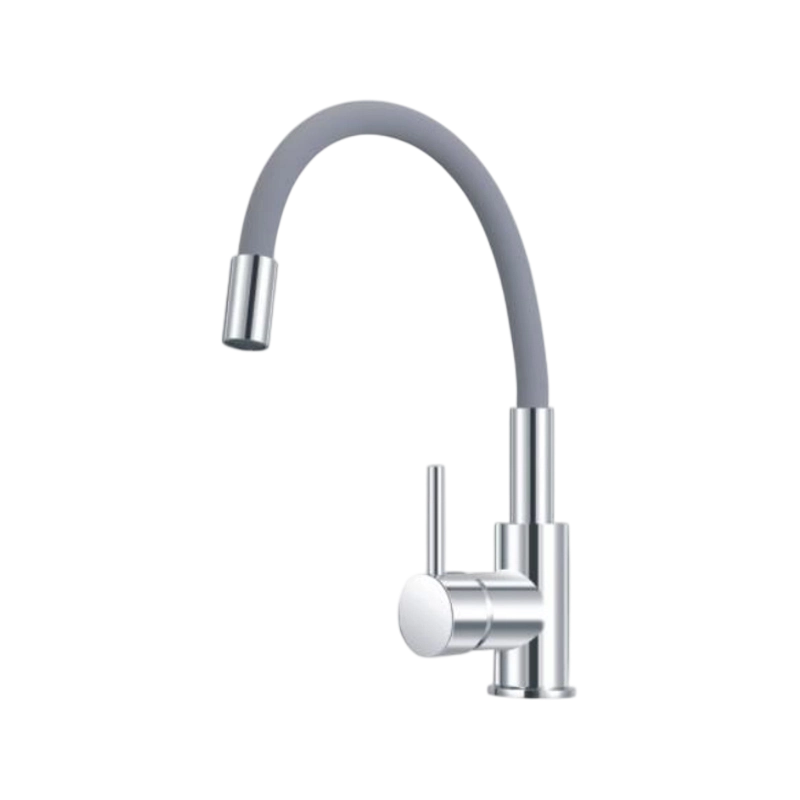
ManufacturerOwns the factory, direct technical answers, fewer layers VS Trading CompanySources from factories, wider product range, added coordination When sourcing faucets for a B2B order, buyers often run into two types of suppliers with very similar-looking websites: the factory that actually makes the product, and the trading company that sells it on the factory's behalf. Both can be reasonable partners, but they work differently, and knowing which one you're dealing with changes how you should negotiate price, lead time, and quality terms. This article breaks down the practical differences so you can make a clearer sourcing decision. Table of Contents What Is a Faucet Manufacturer? What Is a Trading Company? Key Differences at a Glance Pricing and Cost Structure Customization and OEM/ODM Capability Quality Control Responsibility Communication and Order Handling Risk Factors to Consider Which One Should You Choose? 1. What Is a Faucet Manufacturer? A faucet manufacturer owns and operates the production facility — casting, machining, plating, assembly, and testing all happen under its own roof, or at least under its direct management. Because the manufacturer controls the process end to end, it usually has more direct answers about material specs, tooling, and testing results. Manufacturers typically fall into two groups: Factories that only produce for other brands (pure OEM/ODM) Factories that produce their own branded line and also accept OEM orders Either way, working directly with a manufacturer generally means fewer parties between you and the production line. 2. What Is a Trading Company? A trading company doesn't own a factory. Instead, it sources faucets from one or several manufacturers and resells them, often bundling different product categories together (faucets, sinks, accessories) under one order. Trading companies can be useful when you need a range of products from different factories but want a single point of contact and a single shipment. The tradeoff is that a trading company sits between you and the factory, which adds a layer of communication and sometimes cost. 3. Key Differences at a Glance General comparison pattern — individual suppliers may vary Factor Faucet Manufacturer Trading Company Owns production facility Yes No Product range Usually focused on faucets and related fittings Can be broader, sourced from multiple factories Price transparency Direct factory pricing, fewer markups Includes a margin on top of factory price Technical detail Can usually answer material/process questions directly May need to relay questions to the factory Order consolidation Limited to what the factory produces Can combine products from different factories in one shipment Communication layers Fewer, usually direct with production/sales team Additional layer between buyer and factory This table is a general pattern, not a fixed rule — some trading companies have long-term exclusive arrangements with factories and can answer technical questions almost as well as the manufacturer itself. 4. Pricing and Cost Structure Manufacturer pricing is generally closer to the actual production cost plus the factory's margin. Trading company pricing includes an additional markup to cover their own operating cost and profit, since they are reselling rather than producing. This doesn't automatically mean manufacturers are cheaper in every case. A trading company that orders in bulk across many clients may get better factory pricing than a smaller buyer negotiating directly, and pass part of that savings along. The reliable way to compare is to request a formal quotation with the same specification (material, finish, valve type, packaging) from both types of suppliers and compare line by line. 5. Customization and OEM/ODM Capability Customization Need Faucet Manufacturer Trading Company New mold development Handles directly, in-house engineering Coordinates with a factory partner, adds coordination time Finish or plating change Direct control over the plating line Depends on the factory's willingness to accommodate a smaller order Private label packaging Usually flexible if MOQ is met Often flexible too, but confirm who owns the packaging artwork file Mold ownership after project Buyer can usually request to keep the mold on file Ownership terms should be confirmed in writing, since the trader may not control the mold directly If your project depends on a new mold or a specific finish requirement, working with the manufacturer directly, or at minimum getting written confirmation from the trading company about how mold ownership and changes are handled, avoids confusion later. 6. Quality Control Responsibility With a manufacturer, quality control is typically in-house: incoming material checks, in-process inspection, and pre-shipment testing all happen at the same site. If there's a defect, the accountability is clear. With a trading company, quality control depends on the agreement between the trader and the factory. Some trading companies station their own QC staff at the factory for final inspection; others rely on the factory's internal reports without an independent check. Ask directly: "Who performs the final inspection, and do you have your own QC staff at the factory, or do you rely on the factory's report?" Third-party inspection through an independent inspection company is a reasonable request regardless of which type of supplier you're working with, especially for a first order. 7. Communication and Order Handling Manufacturers usually assign a sales contact who works closely with the production and engineering teams, so technical questions get answered with fewer steps. Trading companies often have sales staff who are strong on communication and English-language support, but who need to check with the factory before confirming technical details like wall thickness, cartridge brand, or valve pressure rating. Neither pattern is automatically better — a responsive trading company with a solid factory relationship can move just as fast as a manufacturer with a slow sales team. What matters is how quickly and specifically your questions get answered during the inquiry stage, since that pattern tends to continue after the order is placed. 8. Risk Factors to Consider With a manufacturer: confirm the factory's product range actually matches what you need — some factories specialize narrowly and may subcontract items outside their core capability without telling you. With a trading company: ask which factory actually produces the item, and whether you can request a factory audit or visit if the order size justifies it. With either type: verify the business registration and export history, and ask for a reference client if this is a first-time order. 9. Which One Should You Choose? There isn't a single correct answer — it depends on your order profile. If you're ordering a volume of a single product line, need a new mold, or want tighter control over technical specifications, working directly with the manufacturer usually gives you more direct answers and fewer communication layers. If you need a mixed shipment across several product categories, including Water Faucet products, or you don't yet have the volume to justify managing a factory relationship directly, a trading company with a track record can simplify the process, as long as you confirm who handles quality control and mold ownership in writing. :root{ --ink:#1e2124; --paper:#f6f5f1; --a1:#1f4e5f; --a1-dark:#153845; --a2:#b5652f; --a2-dark:#8a4a20; --line:#e0ddd4; --muted:#69645a; } *{box-sizing:border-box;} body{ margin:0; background:var(--paper); color:var(--ink); font-family:"Helvetica Neue",Arial,sans-serif; line-height:1.7; font-size:16px; } .wrap{max-width:820px;margin:0 auto;padding:44px 22px 90px;} .eyebrow{ text-transform:uppercase; letter-spacing:.14em; font-size:12px; color:var(--muted); margin:0 0 10px; font-weight:600; } h1{ font-family:Georgia,"Times New Roman",serif; font-size:clamp(26px,4vw,38px); line-height:1.25; margin:0 0 16px; } .meta{ font-size:13px; color:var(--muted); border-bottom:1px solid var(--line); padding-bottom:22px; margin-bottom:28px; } .vs-hero{ display:grid; grid-template-columns:1fr auto 1fr; align-items:center; gap:14px; border:1px solid var(--line); border-radius:8px; overflow:hidden; margin-bottom:36px; background:#fff; } .vs-hero .side{padding:20px 18px;} .vs-hero .m{border-right:none;} .vs-hero .m strong{color:var(--a1-dark);} .vs-hero .t strong{color:var(--a2-dark);} .vs-hero strong{display:block;font-size:15px;margin-bottom:4px;} .vs-hero span{font-size:13px;color:var(--muted);} .vs-hero .vs-mark{ font-family:Georgia,serif; font-size:14px; font-weight:700; color:var(--muted); text-align:center; } @media (max-width:560px){ .vs-hero{grid-template-columns:1fr;} .vs-hero .vs-mark{padding:0 18px;} } .intro{font-size:17px;margin-bottom:32px;} nav.toc{ background:#fff; border:1px solid var(--line); border-radius:8px; padding:22px 24px; margin-bottom:38px; } nav.toc p.label{ margin:0 0 12px; font-weight:700; text-transform:uppercase; letter-spacing:.08em; font-size:11px; color:var(--a1-dark); } nav.toc ol{ margin:0; padding:0; list-style:none; display:grid; grid-template-columns:1fr 1fr; gap:6px 20px; counter-reset:toc; } nav.toc li{ counter-increment:toc; font-size:14px; padding-left:26px; position:relative; } nav.toc li::before{ content:counter(toc); position:absolute; left:0; top:0; width:18px; height:18px; background:#eaf0f2; color:var(--a1-dark); font-size:11px; font-weight:700; border-radius:50%; display:flex; align-items:center; justify-content:center; } nav.toc a{color:var(--ink);text-decoration:none;} nav.toc a:hover{color:var(--a1-dark);text-decoration:underline;} @media (max-width:560px){ nav.toc ol{grid-template-columns:1fr;} } h2{ font-family:Georgia,"Times New Roman",serif; font-size:22px; margin:42px 0 14px; padding-left:14px; border-left:4px solid var(--a1); } h2.alt{border-left-color:var(--a2);} p{margin:0 0 15px;font-size:15.5px;} ul{margin:0 0 16px;padding-left:20px;} ul li{margin-bottom:6px;font-size:15.5px;} table{ width:100%; border-collapse:collapse; margin:18px 0 6px; font-size:14px; background:#fff; } caption{ text-align:left; font-size:12.5px; color:var(--muted); margin-bottom:8px; font-style:italic; } th,td{ padding:11px 13px; border:1px solid var(--line); text-align:left; vertical-align:top; } thead th{ background:var(--a1-dark); color:#fff; font-weight:600; font-size:12.5px; text-transform:uppercase; letter-spacing:.03em; } thead th:last-child{background:var(--a2-dark);} tbody tr:nth-child(even){background:#f2f0ea;} .note{ background:#fbf1e8; border-left:4px solid var(--a2); padding:12px 16px; font-size:14px; margin:16px 0; border-radius:0 4px 4px 0; color:var(--a2-dark); } .final{ margin-top:46px; padding:26px; background:#fff; border:1px solid var(--line); border-radius:8px; } .final h2{margin-top:0;} .cta{ margin-top:30px; padding:30px; text-align:center; background:var(--a1-dark); color:#fff; border-radius:8px; } .cta p{color:#e4edf0;font-size:14.5px;margin-bottom:18px;} .cta a{ display:inline-block; background:var(--a2); color:#fff; padding:11px 26px; border-radius:4px; text-decoration:none; font-weight:700; font-size:14px; }
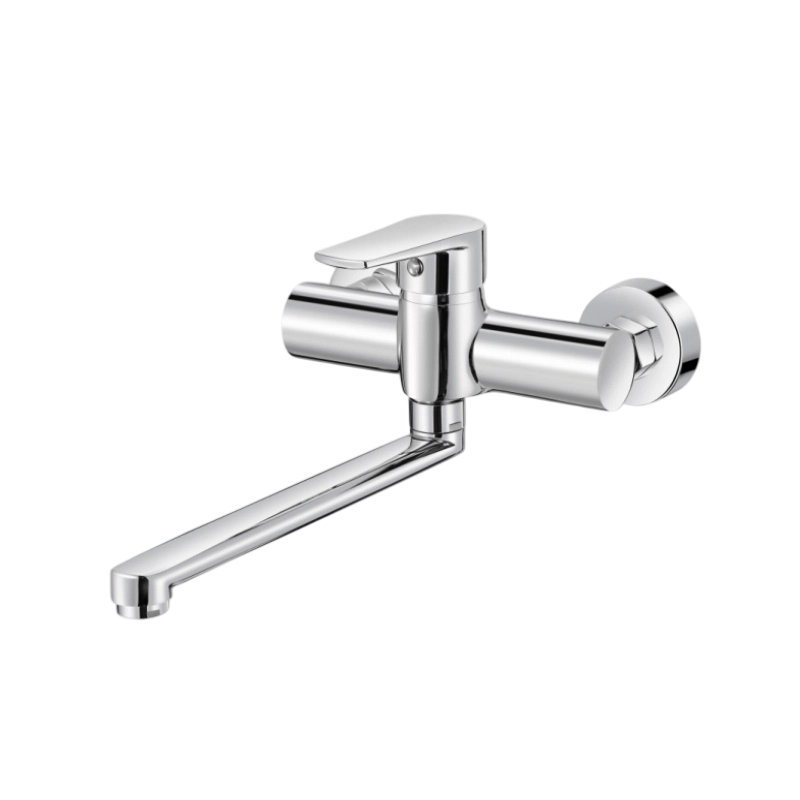
Sourcing faucets for a project, a retail line, or a hospitality build-out is not a simple price comparison. A supplier that looks fine on a product page can still cause delays, failed inspections, or returns once the order arrives. For buyers working on B2B orders, a short checklist before signing a contract can save weeks of back-and-forth later. Here are ten points worth checking before you commit to a faucet supplier. Table of Contents Manufacturing Facility and Production Type Raw Material and Casting Method Certifications for Your Target Market Testing Standards and Durability Benchmarks OEM/ODM and Customization Capability Minimum Order Quantity and Lead Time Sample Policy and Turnaround Time Quality Control and Inspection Process Communication and Technical Support Company Background and Export Experience 1.Manufacturing Facility and Production Type Start by confirming whether the company you're talking to actually owns a factory, or if it's a trading company that sources from multiple workshops. Both models exist in the market and both can work, but they come with different tradeoffs. A factory-owned supplier usually gives you more direct control over production scheduling, material batches, and quality checks, since the whole process happens under one roof. A trading company can sometimes offer wider product ranges because it pulls from several factories, but consistency between orders may vary more. If you're not sure which type you're dealing with, ask for photos or a video call of the production floor, and check if the business license matches a manufacturing scope rather than only a trading scope. 2.Raw Material and Casting Method Faucet bodies are usually made from brass, zinc alloy, or stainless steel, and the casting method affects both cost and durability. Common materials and casting methods used in faucet production Material Common Casting Method Notes Brass Gravity casting or low-pressure die casting Gravity casting is slower but produces denser, fewer-porosity parts Zinc alloy Die casting Lower cost, generally lower pressure tolerance than brass Stainless steel Investment casting or tube forming/welding Requires more machining time, no plating layer to wear off Ask your supplier which casting method they use for the specific model you're ordering, since some product lines mix materials for the body, handle, and internal valve to control cost. A quick way to verify claims is to request a material test report or ask for a sample cut open to inspect wall thickness. 3.Certifications for Your Target Market Certification requirements differ by country, so check which ones apply to where you're selling before you assume a supplier's paperwork covers your market. Certifications commonly requested for faucet imports by region Certification Region What It Covers NSF/ANSI 61 & 372 United States, Canada Material safety and a lead content limit of 0.25% for drinking water contact cUPC United States, Canada Compliance with plumbing codes for fixtures WaterSense United States Flow rate and water efficiency requirements CE European Union General product safety declaration ISO 9001 Global Quality management system certification for the factory, not the product itself A certificate alone doesn't confirm the product matches it. Ask for the certificate number so you can check it against the issuing body's public database. 4.Testing Standards and Durability Benchmarks Reputable suppliers usually run internal testing before a product ships, and some of these tests are referenced by industry standards bodies. Figures below reflect commonly referenced ranges; actual results vary by supplier and product grade, so ask for the specific test report tied to your order. Raw Material and Casting MethodTypical testing categories referenced in faucet manufacturing Test What It Measures Commonly Referenced Range Valve cycle test How many open/close cycles the cartridge withstands before failure Often 100,000 to 500,000+ cycles, depending on cartridge grade Salt spray test (ASTM B117 / CASS) Surface corrosion resistance of plating or coating Typically tested for 24 to 96 hours, depending on finish type Water pressure test Whether the body and joints hold pressure without leaking Usually tested at 1 MPa or above per plumbing code requirements Torque test Durability of the handle and mounting hardware Varies by product design, no single universal figure If a supplier can't produce a report for these tests when asked, that's worth noting before placing a large order. 5.OEM/ODM and Customization Capability For B2B buyers building a private label line, customization options matter more than a standard catalog. Ask specifically about: Finish options (chrome, brushed nickel, matte black, brushed gold, and so on) Logo placement on the body, packaging, or handle Packaging design changes, including barcode and carton labeling Minimum customization quantity, which is often separate from the standard MOQ Some suppliers offer full ODM development, meaning they can design a new mold based on your sketch or reference image, while others only offer finish and branding changes on existing molds. Clarify this early, since mold development adds cost and lead time. 6.Minimum Order Quantity and Lead Time MOQ and lead time affect cash flow and inventory planning, so get specific numbers in writing rather than a general estimate. General MOQ and lead time ranges seen across the faucet industry Order Type Typical MOQ Range Typical Lead Time Standard catalog item, standard finish Around 100–300 pieces 20–35 days Custom finish on existing mold Around 300–500 pieces 30–45 days New mold / ODM development Varies by project scope 45–90 days including mold tooling These are general ranges rather than fixed figures, since factory capacity and current order volume both affect timing. Ask your supplier to confirm numbers for the exact model and finish you need. 7.Sample Policy and Turnaround Time Before placing a bulk order, request a sample to check fit, finish, and packaging in person. Ask these questions: Is the sample fee refundable against a future bulk order? How long does sample production take if it's not an in-stock item? Can the sample be shipped with your preferred courier account to control cost? A supplier that resists sending samples, or only offers photos instead of a physical unit, is a signal to ask more questions before moving forward. 8.Quality Control and Inspection Process Ask how quality control is handled at each stage: incoming raw material, in-process production, and pre-shipment. Some points worth confirming: Does the factory have an in-house QC team, and at what ratio to production staff? Do they accept third-party inspection (such as SGS, Bureau Veritas, or Intertek) before shipment? What defect rate do they report internally, and how do they handle returns for defective units? Third-party inspection is a common and reasonable request for a first order, even if the cost is shared or covered by the buyer. 9.Communication and Technical Support Response time and technical clarity during the inquiry stage often reflect how the relationship will run after the order ships. Watch for: Whether technical questions get specific answers, not just general marketing language Whether there's an assigned contact person for your account, rather than rotating staff How the supplier handles time zone differences for calls or urgent issues If a supplier struggles to answer basic technical questions clearly before the sale, that pattern usually continues afterward. 10.Company Background and Export Experience Finally, check how long the faucet supplier has been exporting, and to which regions. This isn't about age alone — a newer faucet factory with strong technical staff can still be a solid partner — but export history gives you a way to verify references and get a sense of how the supplier handles unfamiliar markets, documentation, and long-distance logistics. Ask for: Business registration details and export license A short list of markets they currently ship to Whether they can provide a reference client in a region similar to yours Combined with the points above, this gives you a fuller picture before signing a purchase agreement. :root{ --ink:#1c2226; --paper:#f7f8f6; --accent:#2f6f5e; --accent-dark:#204c40; --line:#dfe3de; --muted:#5f6a63; --num-bg:#eef3ef; } *{box-sizing:border-box;} body{ margin:0; background:var(--paper); color:var(--ink); font-family:"Helvetica Neue",Arial,sans-serif; line-height:1.7; font-size:16px; } .wrap{max-width:800px;margin:0 auto;padding:44px 22px 90px;} .eyebrow{ text-transform:uppercase; letter-spacing:.14em; font-size:12px; color:var(--muted); margin:0 0 10px; font-weight:600; } h1{ font-family:Georgia,"Times New Roman",serif; font-size:clamp(26px,4vw,38px); line-height:1.25; margin:0 0 16px; } .meta{ font-size:13px; color:var(--muted); border-bottom:1px solid var(--line); padding-bottom:22px; margin-bottom:30px; } .intro{font-size:17px;margin-bottom:32px;} nav.toc{ background:#fff; border:1px solid var(--line); border-radius:8px; padding:22px 24px; margin-bottom:38px; } nav.toc p.label{ margin:0 0 12px; font-weight:700; text-transform:uppercase; letter-spacing:.08em; font-size:11px; color:var(--accent-dark); } nav.toc ol{ margin:0; padding:0; list-style:none; display:grid; grid-template-columns:1fr 1fr; gap:6px 20px; counter-reset:toc; } nav.toc li{ counter-increment:toc; font-size:14px; padding-left:26px; position:relative; } nav.toc li::before{ content:counter(toc); position:absolute; left:0; top:0; width:18px; height:18px; background:var(--num-bg); color:var(--accent-dark); font-size:11px; font-weight:700; border-radius:50%; display:flex; align-items:center; justify-content:center; } nav.toc a{color:var(--ink);text-decoration:none;} nav.toc a:hover{color:var(--accent-dark);text-decoration:underline;} @media (max-width:560px){ nav.toc ol{grid-template-columns:1fr;} } h2{ font-family:Georgia,"Times New Roman",serif; font-size:22px; margin:42px 0 14px; padding-left:14px; border-left:4px solid var(--accent); } h2 .num{color:var(--accent-dark);font-weight:700;margin-right:6px;} p{margin:0 0 15px;font-size:15.5px;} ul{margin:0 0 16px;padding-left:20px;} ul li{margin-bottom:6px;font-size:15.5px;} table{ width:100%; border-collapse:collapse; margin:18px 0 6px; font-size:14px; background:#fff; } caption{ text-align:left; font-size:12.5px; color:var(--muted); margin-bottom:8px; font-style:italic; } th,td{ padding:11px 13px; border:1px solid var(--line); text-align:left; vertical-align:top; } thead th{ background:var(--accent-dark); color:#fff; font-weight:600; font-size:12.5px; text-transform:uppercase; letter-spacing:.03em; } tbody tr:nth-child(even){background:#f0f3f0;} .note{ background:#eef3ef; border-left:4px solid var(--accent); padding:12px 16px; font-size:14px; margin:16px 0; border-radius:0 4px 4px 0; color:var(--accent-dark); } .final{ margin-top:46px; padding:26px; background:#fff; border:1px solid var(--line); border-radius:8px; } .final h2{margin-top:0;} .cta{ margin-top:30px; padding:30px; text-align:center; background:var(--accent-dark); color:#fff; border-radius:8px; } .cta p{color:#e6efe9;font-size:14.5px;margin-bottom:18px;} .cta a{ display:inline-block; background:#fff; color:var(--accent-dark); padding:11px 26px; border-radius:4px; text-decoration:none; font-weight:700; font-size:14px; }
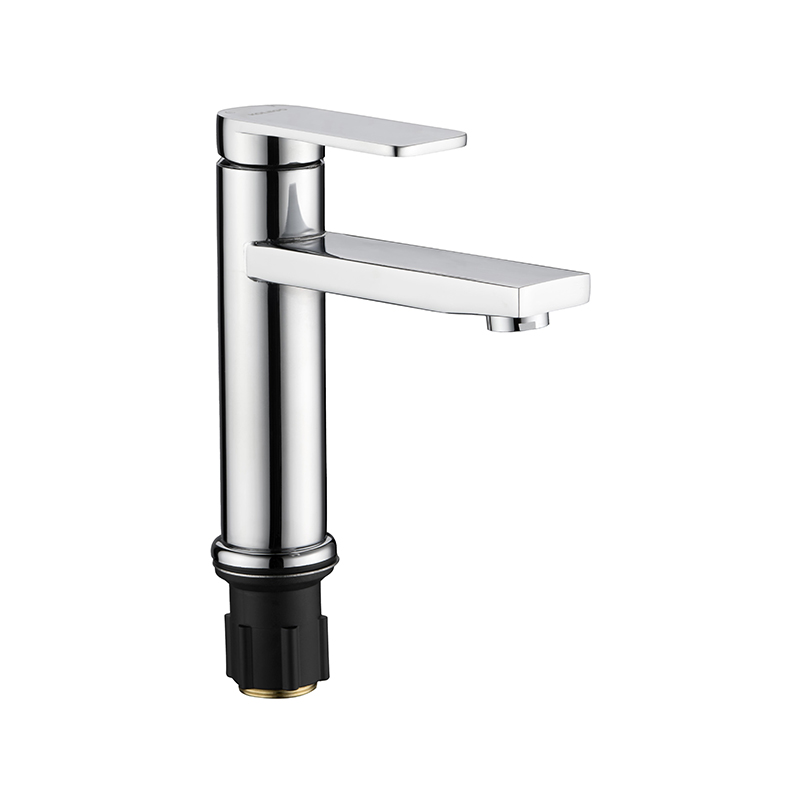
Sourcing faucets from an overseas manufacturer is one of the more involved procurement decisions a distributor or brand can make. The right partner affects product consistency, delivery timelines, and how well a fixture line performs once it reaches the end buyer. With so many suppliers operating across China's manufacturing regions, narrowing the field takes a structured approach rather than a quick search. Start With Production History A manufacturer's years in operation often say something about stability. A factory that has produced faucets for decades has typically weathered shifts in material costs, export regulations, and buyer expectations, which tends to translate into steadier processes on the floor. Newer factories aren't automatically a poor choice, but a longer production history usually means the supplier has already worked through common manufacturing issues that newer operations may still be discovering. It also helps to look at what materials a factory actually works with. Some manufacturers specialize narrowly, while others handle both brass and stainless steel product lines. A supplier producing across multiple material categories often has broader tooling and engineering capability, which matters if a buyer's catalog spans different faucet types. Evaluate the Physical Facility Factory size and equipment tell a buyer more than a sales pitch ever will. A facility with dedicated space for casting, machining, polishing, and assembly generally has more control over quality at each production stage compared to a smaller shop that outsources several of these steps. Equipment matters too — CNC machining and automated polishing systems point to consistency across production runs, since manual processes introduce more variation from one batch to the next. Buyers evaluating a facility, whether through a site visit or documentation, might look for: Dedicated departments for R&D, casting, machining, and quality testing rather than a single combined workspace Certifications such as ISO or product-specific marks that confirm testing has been conducted by a recognized body Consider OEM and ODM Capability Many buyers need more than off-the-shelf products — they need a supplier that can adapt designs, finishes, and packaging to match a specific brand. This is where OEM and ODM services come into play. A manufacturer offering both typically has design staff who can translate a buyer's specifications into a working product rather than only replicating existing catalog items. Minimum order quantities also factor into this decision. A lower MOQ gives smaller distributors room to test a product line before committing to larger volumes, while manufacturers requiring very high minimums may be better suited to buyers with established, high-volume demand. Discover Kolego: Premium Faucets & Sanitary Ware Manufacturer Taizhou Kolego Hardware Manufacturing Co., Ltd. is a trusted leader in the sanitary ware industry, specializing in high-quality kitchen and bathroom faucets since 1995. With a modern 15,000-square-meter facility and a dedicated team of 120 professionals, Kolego combines decades of expertise with advanced CNC machining and robotic polishing technology to deliver exceptional products in both stainless steel and brass. Kolego excels in crafting durable, stylish faucets featuring smooth water flow, precision engineering, and innovative designs such as single-handle, thermostatic, and wall-mounted models. Their commitment to quality is evident through rigorous laboratory testing, ensuring corrosion resistance, reliability, and long-lasting performance. The company offers comprehensive OEM and ODM services with flexible MOQ starting at just 300 pieces, making them an ideal partner for distributors, wholesalers, and project developers worldwide.
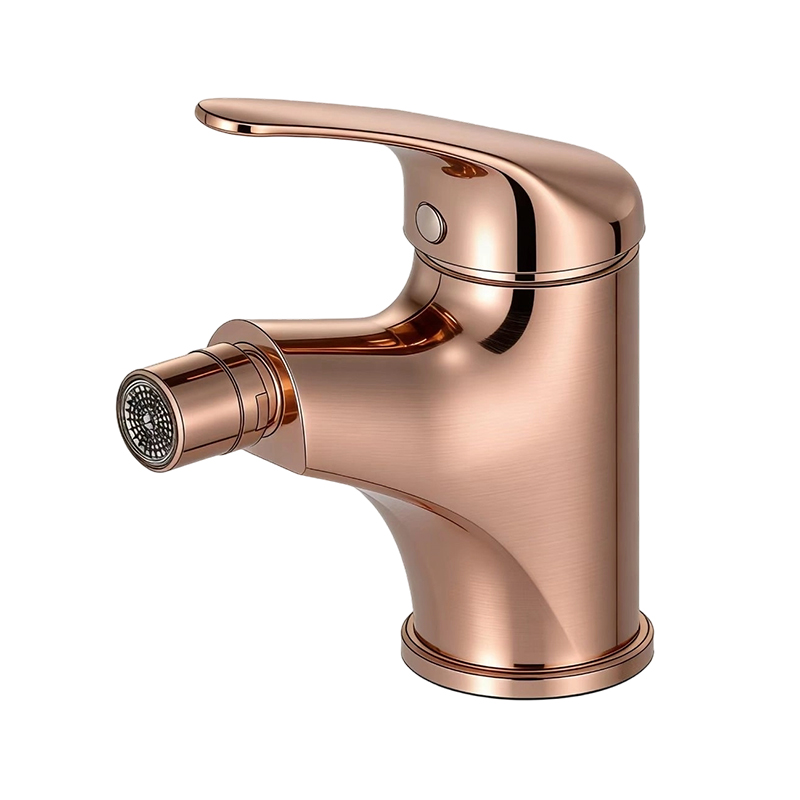
BrassClassic warmth, deep finish options, premium feel Stainless SteelLead-free by default, modern look, low upkeep Table of Contents Brass Faucets: Pros and Cons Stainless Steel Faucets: Pros and Cons Quick Comparison: Brass vs Stainless Steel Final Verdict: Which One Should You Choose? Wrap-Up Brass faucet vs stainless steel faucet — which one is actually the better buy? The honest answer depends on what you value most: how long the faucet needs to last, how it holds up against hard water and daily wear, and how much you're willing to spend upfront versus over time. This guide breaks down both materials so you can make the right call for your project. Material 01 Brass Faucets: Pros and Cons Brass has been the go-to faucet material for generations, and it's still a top pick for OEM and premium product lines. It's an alloy of copper and zinc — a combination that gives it a rare mix of strength, workability, and natural resistance to corrosion. Strong natural resistance to corrosion and bacterial growth Excellent machinability, keeping costs manageable even for detailed designs Wide compatibility with finishes — brushed gold, matte black, chrome, and more Long service life, often outlasting cheaper alternatives Some brass alloys contain trace lead. For markets with strict drinking-water rules, look for low-lead or lead-free certified brass and confirm certifications like NSF/ANSI 61 before ordering. Material 02 Stainless Steel Faucets: Pros and Cons Stainless steel faucets are the modern, low-maintenance alternative — and they're lead-free by default, which makes compliance simple. Naturally lead-free, satisfying most drinking-water safety standards out of the box Strong resistance to rust, staining, and corrosion, especially in 304 or 316 grades Easy to clean, with a surface that resists fingerprints better than polished finishes A sleek, contemporary look that suits minimalist and industrial interiors Stainless steel is harder than brass, so it's more difficult and costly to machine into complex shapes, and often needs precision welding for multi-piece assemblies. Quick Comparison: Brass vs Stainless Steel How the two materials stack up across the factors buyers care about most Feature Brass Faucets Stainless Steel Faucets Durability Very durable with proper finishing Very durable, especially 304/316 grade Corrosion Resistance Naturally corrosion-resistant Excellent, especially in humid/salty settings Lead Content May contain trace lead unless certified low-lead Lead-free by default Machinability Easier to shape into detailed designs Harder to machine, more tooling time Finish Options Wide range — gold, black, chrome, brushed, antique More limited, mostly brushed or polished Weight Heavier, solid feel Lighter, easier to install Cost Higher raw material and production cost Generally more budget-friendly Best For Premium lines, custom finishes, decorative styles Standard collections, hygiene-focused projects Final Verdict: Which One Should You Choose? There's no single winner — it comes down to your priorities. Choose Brass if... Design flexibility, finish variety, and long-term durability matter most to your product line. It costs more upfront, but gives far more creative control. Choose Stainless Steel if... You want a lead-free option by default, a modern look, and a more budget-friendly build. Just confirm you're sourcing genuine 304 or 316 grade. Wrap-Up Still weighing brass vs stainless steel for your next order? Our team can walk you through material options, finishes, and certifications for both kitchen and bathroom faucet lines — including OEM/ODM customization. :root{ --ink:#1f2421; --paper:#faf8f4; --brass:#a8763e; --brass-dark:#7d5527; --steel:#5c6b73; --steel-dark:#3d474d; --line:#e2ddd2; --muted:#6b6558; } *{box-sizing:border-box;} body{ margin:0; background:var(--paper); color:var(--ink); font-family:"Georgia","Times New Roman",serif; line-height:1.7; } .wrap{max-width:820px;margin:0 auto;padding:48px 24px 96px;} .eyebrow{ font-family:"Helvetica Neue",Arial,sans-serif; text-transform:uppercase; letter-spacing:.14em; font-size:14px; color:var(--muted); margin:0 0 10px; } h1{ font-size:clamp(28px,4vw,42px); line-height:1.2; margin:0 0 18px; font-weight:700; } .meta{ font-family:"Helvetica Neue",Arial,sans-serif; font-size:14px; color:var(--muted); border-bottom:1px solid var(--line); padding-bottom:24px; margin-bottom:32px; } .split-hero{ display:grid; grid-template-columns:1fr 1fr; border:1px solid var(--line); border-radius:6px; overflow:hidden; margin-bottom:40px; } .split-hero div{ padding:22px 20px; font-family:"Helvetica Neue",Arial,sans-serif; } .split-hero .b{background:#f3e9dc;border-right:1px solid var(--line);} .split-hero .s{background:#e9eff1;} .split-hero strong{display:block;font-size:15px;margin-bottom:4px;} .split-hero .b strong{color:var(--brass-dark);} .split-hero .s strong{color:var(--steel-dark);} .split-hero span{font-size:14px;color:var(--muted);} nav.toc{ background:#fff; border:1px solid var(--line); border-radius:6px; padding:20px 24px; margin-bottom:40px; font-family:"Helvetica Neue",Arial,sans-serif; font-size:14.5px; } nav.toc p{ margin:0 0 10px; font-weight:700; text-transform:uppercase; letter-spacing:.08em; font-size:14px; color:var(--muted); } nav.toc ol{margin:0;padding-left:20px;} nav.toc a{color:var(--ink);text-decoration:none;border-bottom:1px dotted var(--muted);} nav.toc a:hover{color:var(--brass-dark);} h2{ font-size:24px; margin:44px 0 16px; padding-bottom:10px; border-bottom:2px solid var(--ink); display:flex; align-items:center; gap:10px; } h2 .tag{ font-family:"Helvetica Neue",Arial,sans-serif; font-size:14px; letter-spacing:.06em; text-transform:uppercase; padding:3px 9px; border-radius:20px; font-weight:600; } h2.brass .tag{background:var(--brass);color:#fff;} h2.steel .tag{background:var(--steel);color:#fff;} p{margin:0 0 16px;font-size:17px;} ul.pros{ list-style:none; margin:0 0 16px; padding:0; } ul.pros li{ position:relative; padding:8px 0 8px 26px; font-family:"Helvetica Neue",Arial,sans-serif; font-size:15.5px; border-bottom:1px solid var(--line); } ul.pros li:last-child{border-bottom:none;} ul.pros li::before{ content:"+"; position:absolute; left:0; top:8px; font-weight:700; color:var(--brass-dark); } .steel-block ul.pros li::before{color:var(--steel-dark);} .callout{ background:#fff8ec; border-left:4px solid var(--brass); padding:14px 18px; font-family:"Helvetica Neue",Arial,sans-serif; font-size:14.5px; margin:20px 0; border-radius:0 4px 4px 0; } .steel-block .callout{ background:#eff5f7; border-left-color:var(--steel); } table{ width:100%; border-collapse:collapse; margin:24px 0 8px; font-family:"Helvetica Neue",Arial,sans-serif; font-size:14.5px; } caption{ text-align:left; font-size:14px; color:var(--muted); margin-bottom:8px; } th,td{ padding:12px 14px; border:1px solid var(--line); text-align:left; vertical-align:top; } thead th{ background:var(--ink); color:#fff; font-weight:600; font-size:14px; text-transform:uppercase; letter-spacing:.04em; } tbody tr:nth-child(even){background:#f2efe8;} tbody th{background:#efe6d8;font-weight:700;white-space:nowrap;} .verdict{ display:grid; grid-template-columns:1fr 1fr; gap:16px; margin:24px 0; } .verdict .card{ padding:20px; border-radius:6px; font-family:"Helvetica Neue",Arial,sans-serif; } .verdict .card.brass-card{background:#f3e9dc;border:1px solid #e3cfa9;} .verdict .card.steel-card{background:#e9eff1;border:1px solid #c9d7db;} .verdict .card h3{margin:0 0 8px;font-size:15px;font-family:Georgia,serif;} .verdict .card p{font-size:14px;margin:0;} @media (max-width:600px){ .verdict{grid-template-columns:1fr;} .split-hero{grid-template-columns:1fr;} .split-hero .b{border-right:none;border-bottom:1px solid var(--line);} } .cta{ margin-top:48px; padding:32px; text-align:center; background:var(--ink); color:#fff; border-radius:8px; font-family:"Helvetica Neue",Arial,sans-serif; } .cta p{color:#e9e5da;font-size:15px;margin-bottom:20px;} .cta a{ display:inline-block; background:var(--brass); color:#fff; padding:12px 28px; border-radius:4px; text-decoration:none; font-weight:600; font-size:14px; letter-spacing:.02em; }
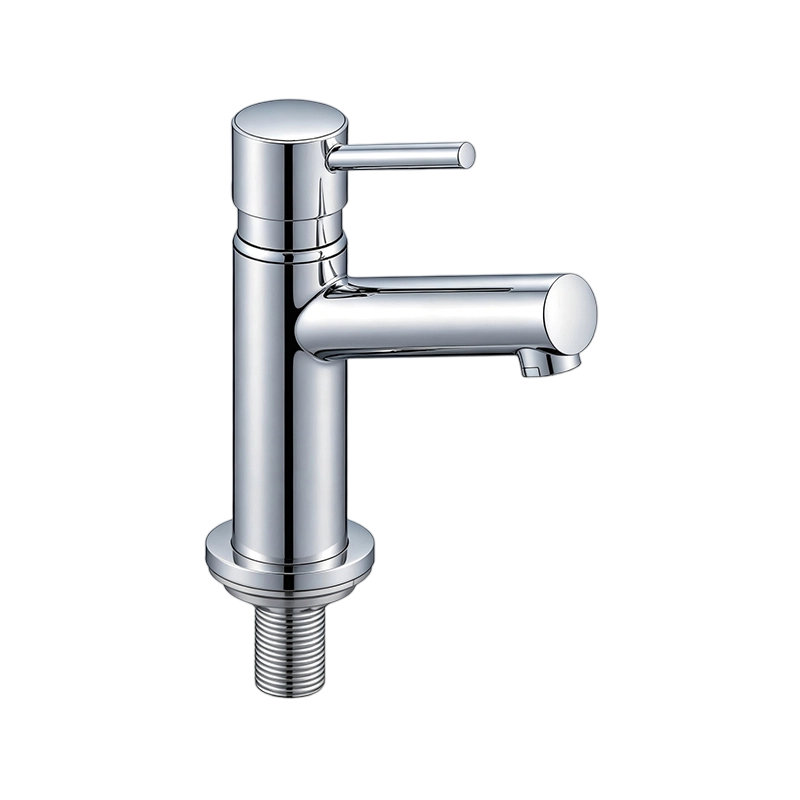
AISI304 Water Faucet has become a go-to material in kitchen and bathroom faucet manufacturing, and the reasons aren't hard to follow. It resists corrosion, tolerates the chemical contact that comes with daily water use, and holds its finish without much intervention. Homeowners renovating on a practical budget tend to land on it naturally — not because it's a compromise, but because it handles the actual demands of a household sink without overcomplicating the decision. Characteristics of AISI304 Stainless Steel in Faucets AISI304 Water Faucet offers resistance to corrosion in moist conditions, making it suitable for water-related fixtures. This grade provides structural stability through its composition, which includes chromium and nickel elements that contribute to surface integrity over time. Manufacturers apply this material in cold water faucet designs to support consistent operation. Faucets in the AISI304 category are assembled with close attention to component fit — handle action, joint integrity, and connection points all affect how the fixture performs over years of use, not just on the day it's installed. Most models slot into standard residential plumbing without modification, handling everyday tasks from hand washing to filling a pot without drama. The product range itself covers meaningful ground, with handle configurations and spout geometries varied enough to suit different sink depths, countertop layouts, and personal preferences. Design Elements of AISI304 Water Faucets Designs for AISI304 water faucets focus on clean lines and practical proportions suitable for common sink installations. Models such as D25-A03MB and similar variants in the series present options with brushed or polished finishes that coordinate with surrounding bathroom or kitchen elements. Spouts provide adequate reach while maintaining clearance above basins. Handles allow for straightforward control of water volume. Aerators in many units help shape the stream to minimize splashing during use. These features support integration into both modern and traditional layouts, addressing a range of spatial requirements. Installation Considerations for AISI304 Faucets AISI304 water faucets align with standard mounting configurations, including single-hole and deck-mounted setups. This compatibility simplifies connections to existing supply lines in residential plumbing systems. Proper alignment during placement contributes to even water delivery once installed. Various models accommodate different sink styles, from compact basins to larger kitchen sinks. Attention to thread sizes and connection points helps ensure fit without major modifications to countertops or cabinetry. This approach supports updates in both new constructions and renovation projects. Company Introduction to Taizhou Kolego Hardware Manufacturing Co., Ltd. Taizhou Kolego Hardware Manufacturing Co., Ltd. operates as a manufacturer of sanitary faucets, with production focused on stainless steel and brass materials since 1995. The company maintains a facility covering 15,000 square meters and employs a team engaged in research, development, and production processes. Advanced equipment, including CNC machines and robotic polishing systems, supports the creation of faucet lines. Kolego products reach markets in more than thirty countries, reflecting a commitment to design and manufacturing standards. The company offers a range of kitchen and bathroom solutions, with emphasis on material selection and functional performance. Customers can explore the full catalog through company resources to identify options that suit specific installation needs and aesthetic preferences. AISI304 water faucets continue to serve as reliable components in everyday bathroom and kitchen environments. Their material attributes, design variations, and installation flexibility address common household requirements. Consideration of these aspects can assist in selecting fixtures that contribute to functional and cohesive space arrangements.
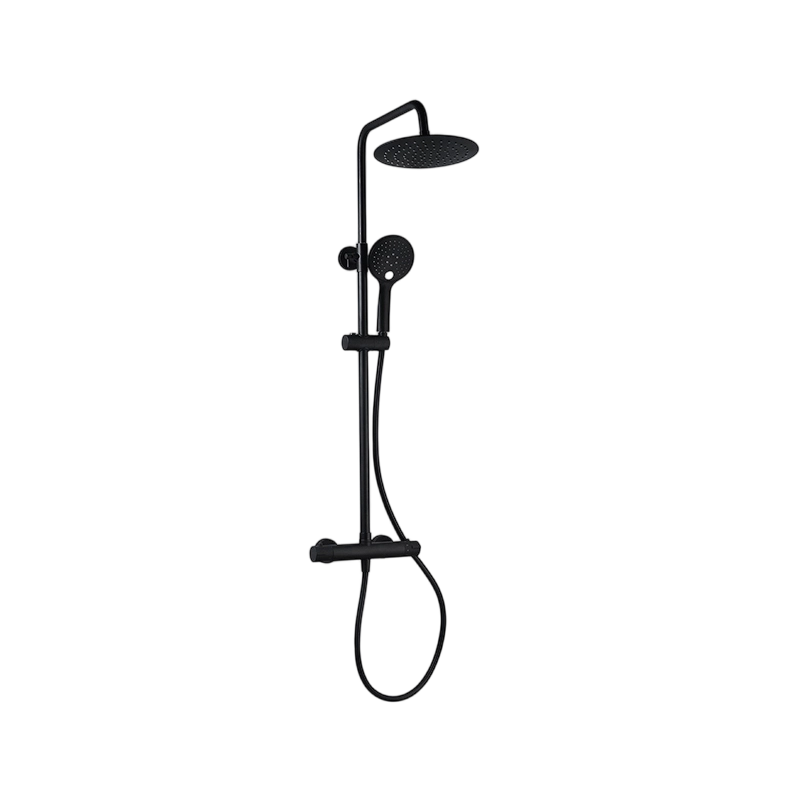
Shower faucets play a key role in bathroom setups, managing water flow and temperature for daily routines. These fixtures support a range of shower experiences, from quick rinses to longer sessions, and contribute to the overall layout of the space. Interest in shower faucet options remains steady as homeowners look for reliable components that fit standard plumbing systems. The Function of Shower Faucets in Bathroom Spaces Shower faucets connect to shower systems to deliver water at controlled rates and temperatures. They appear in various configurations, including wall-mounted and column-style designs suitable for different bathroom sizes. Single-handle and thermostatic models allow users to adjust settings with straightforward movements during use. These fixtures integrate with overhead showerheads and handheld options, offering flexibility in water distribution. Many designs focus on consistent performance across common household water pressures. This setup supports routine activities while fitting into both compact and spacious bathroom arrangements. Material Choices for Shower Faucets Stainless steel and similar durable materials appear frequently in shower faucet construction. These options provide stability in humid conditions and support long-term structural integrity. Manufacturers assemble components with attention to secure connections and smooth operation. Surface finishes, such as brushed or polished variants, help coordinate with other bathroom elements. The material selection contributes to resistance against typical wear from daily exposure to water. Shower column designs often incorporate these materials for both functional and visual alignment in the space. Design Features of Shower Faucets Contemporary shower faucets emphasize clean proportions and practical spout placements. Thermostatic shower column models feature integrated controls for temperature and flow, positioned for easy access. Overhead showerheads in square or round shapes distribute water across a defined area. Handles and valves provide tactile feedback for adjustments, accommodating users with varying preferences. Many units include rosettes and mounting elements that complete the installation look. Designs balance reach and clearance to work with standard shower enclosures and tubs. Compatibility and Installation Aspects Shower faucets are built to align with common plumbing layouts found in residential bathrooms. Standard mounting points simplify connections to existing pipes. Thermostatic models maintain steady output once installed, supporting consistent water delivery. Column-style faucets often suit vertical installations along shower walls. Compatibility with various showerheads allows customization based on available space and user habits. Proper alignment during setup helps ensure even performance without extensive adjustments to the surrounding area. Product Recommendation from Taizhou Kolego Hardware Manufacturing Co., Ltd. For those considering shower faucet options, the thermostatic shower column faucet series from Taizhou Kolego Hardware Manufacturing Co., Ltd. presents several configurations. Models such as HDPGLG-131HW-MB and related variants in the lineup include thermostatic mixer taps along with 304 stainless steel showerheads in square and round formats. These units combine column structures with overhead delivery systems suitable for standard bathroom installations. The company offers choices with attention to component integration, including MB rosettes and various handle styles. Such features support coordination within different bathroom layouts while addressing typical daily usage needs. Homeowners and project planners can review the full selection through the company's product resources for details that match specific requirements. Shower faucets continue to form an essential part of functional bathroom designs. Through varied materials, configurations, and operational features, they address common needs in residential settings. Selecting appropriate models involves consideration of space dimensions, plumbing compatibility, and user routines for effective integration.
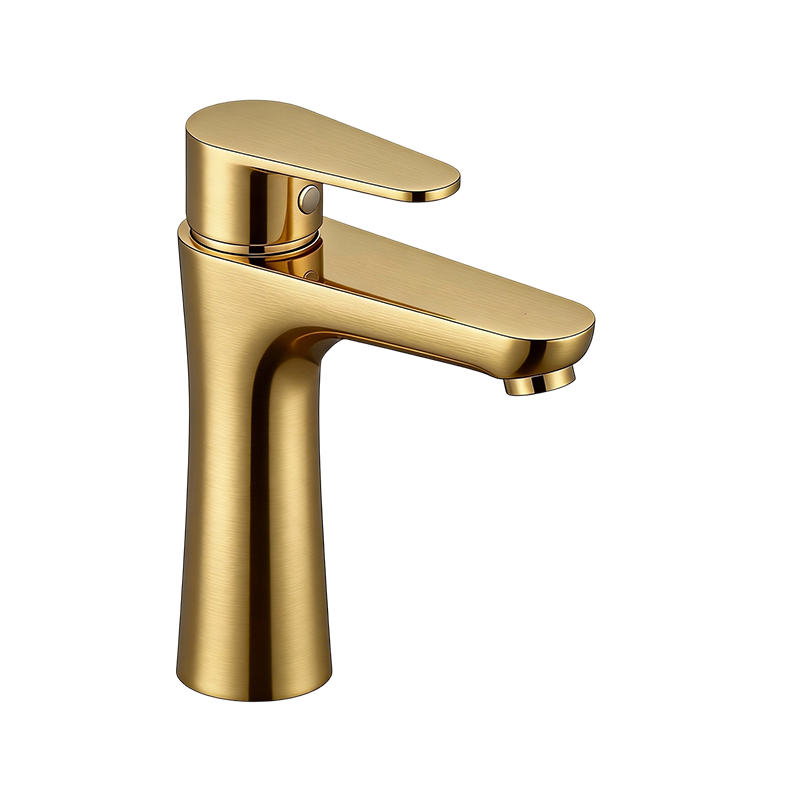
Basin faucets do more than just control water — they're one of those fixtures you interact with multiple times a day without really thinking about it. Washing your hands, splashing your face, brushing your teeth: it all runs through that one tap. So when you're picking one out, it's worth slowing down, because the wrong choice shows up fast in daily life. The Role of Basin Faucets in Modern Bathrooms Basin faucets turn up in all kinds of bathrooms — the tiny powder room by the front door, the shared family bathroom down the hall, the ensuite that gets used every morning without fail. They sit right at the sink and let you control the water with a flick of a wrist. Single-handle models do the whole job in one motion; dual-handle setups give you separate control over hot and cold if that's what you prefer. Either way, once it's in and working, you stop noticing it — which is probably the point. Stainless steel basin faucets, such as those in the XIAOMY35SS series, appear in multiple models tailored to different preferences. The series includes options with varied surface treatments that align with common bathroom aesthetics. These faucets emphasize straightforward operation, fitting into spaces where reliability matters for frequent use. Material Considerations for Basin Faucets Stainless steel stands out as a common choice for basin faucets due to its resistance to everyday wear. This material supports structural stability in moist environments, contributing to steady operation over time. Manufacturers like Kolego produce models in this category that combine material properties with practical engineering. The construction process involves attention to component assembly, ensuring connections remain secure during installation and regular operation. Users often note how such faucets integrate into existing plumbing without requiring extensive modifications. Different finishes, including brushed and polished variants, allow coordination with other bathroom elements like mirrors or cabinets. Design Aspects of Contemporary Basin Faucets Designs for basin faucets focus on clean lines and proportional dimensions suitable for standard sink sizes. The XIAOMY35SS series presents several configurations, such as XIAOMY35SS-01SGD and similar variants, each offering a distinct appearance while maintaining core functionality. These models feature spouts shaped for adequate reach and clearance above the basin. Handles provide tactile feedback for adjustments, supporting ease of use for individuals of different ages. Aerators in many units help shape water streams, reducing splashing during typical tasks. Overall proportions balance visual presence with spatial efficiency, making them suitable for a range of bathroom dimensions. Installation and Compatibility Features Proper placement of basin faucets involves alignment with sink holes and nearby plumbing. Many stainless steel models come with components designed for standard mounting setups, simplifying the process for installers. The XIAOMY35SS series accommodates common deck or countertop configurations found in residential bathrooms. Compatibility extends to various water systems, allowing integration into both newer constructions and updates to existing spaces. Attention to connection points helps ensure smooth water delivery once in place. This approach supports users seeking fixtures that fit within established layouts without major alterations. Usage Benefits in Daily Routines In practice, basin faucets contribute to smooth transitions between tasks in the bathroom. Their flow control allows adjustment according to needs, whether for quick rinses or more deliberate cleaning. Stainless steel surfaces facilitate regular cleaning with common household methods, supporting ongoing appearance. Models like those in the XIAOMY35SS lineup offer choices in handle styles and spout heights, enabling selection based on specific user habits. This variety helps address differences in household preferences, from minimalist setups to more detailed arrangements. As bathroom trends evolve, such faucets remain a steady option for combining utility with visual coherence.
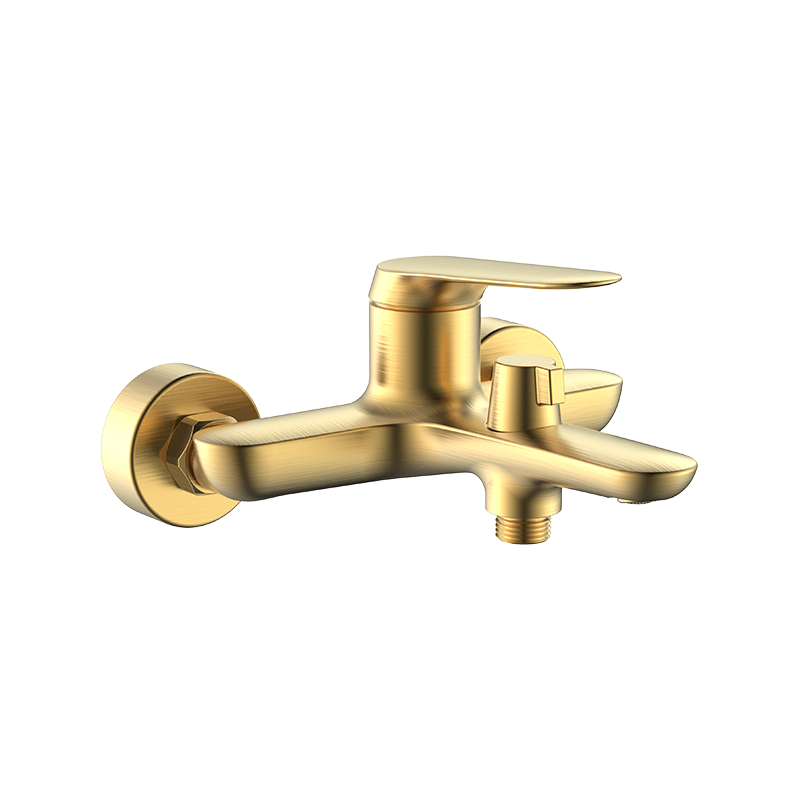
A water faucet is background infrastructure until it is not. It runs through every kitchen, every bathroom, every utility space without drawing any particular attention — just doing the job of delivering water on demand, day after day. The moment a renovation starts or a fixture fails, that invisibility disappears. What was just part of the wall or the counter becomes something worth choosing carefully, which is when people start paying attention to what actually separates one faucet from another. Core Components of Water Faucets Water faucets generally include a spout for directing water, one or more handles for control, and a base that connects to plumbing. The spout channels the stream into sinks or basins, with varying heights and arcs to match different setups. Handles link to internal valves that regulate volume and temperature through simple movements. Aerators at the spout tip mix air into the water, producing an even flow in many models. Valves inside the faucet body manage the mixing process, with cartridges or stems handling the mechanical action. This arrangement allows consistent operation across repeated daily uses in standard environments. Categories Based on Configuration Water faucets come in several configurations to suit different mounting and control preferences. Single-handle designs combine flow and temperature adjustment in one lever for straightforward use. Two-handle versions separate the controls, offering independent management of hot and cold supplies. Widespread and centerset layouts differ in the spacing between spout and handles, aligning with sink hole patterns. Pull-out and pull-down styles extend the reach through flexible hoses in some kitchen-focused units. Wall-mounted options attach directly to vertical surfaces, freeing counter space in tighter arrangements. Materials in Faucet Construction Manufacturers rely on metals and composites for water faucets to ensure structural stability. Brass remains common for the main body due to its forming qualities and compatibility with water systems. Zinc alloys and stainless steel appear in other parts for strength and surface characteristics. Exterior finishes such as chrome plating, brushed nickel, or powder coatings protect the base material and influence appearance. Internal components often use ceramic discs or polymer seals that support smooth valve movement. These material choices affect the fixture's weight, sound during operation, and interaction with water over extended periods. Design Approaches and Variations Designs for water faucets range from simple straight profiles to more contoured forms with curved spouts. Handle styles include levers, knobs, and cross shapes, each providing different grip options during adjustment. Some incorporate sensor technology that detects motion to start and stop flow without direct contact. Spout heights and lengths vary to coordinate with basin sizes and user postures. Finish textures span glossy, matte, and textured surfaces to match surrounding elements. These variations allow water faucets to fit into diverse room layouts, from compact apartments to larger shared facilities. Placement and Coordination in Spaces Water faucets integrate with sinks, counters, and surrounding fixtures through standard connections. Deck-mounted models secure through pre-drilled holes, while freestanding versions pair with vessel sinks that require additional clearance. Coordination with other hardware, such as drains or soap dispensers, contributes to unified appearances in the area. Positioning supports access for different users, with handle placement that accommodates standing or seated approaches in accessible designs. Flow direction and stream patterns receive attention during selection to match basin dimensions. In commercial or multi-user settings, these fixtures align with high-frequency use patterns and spatial flow.
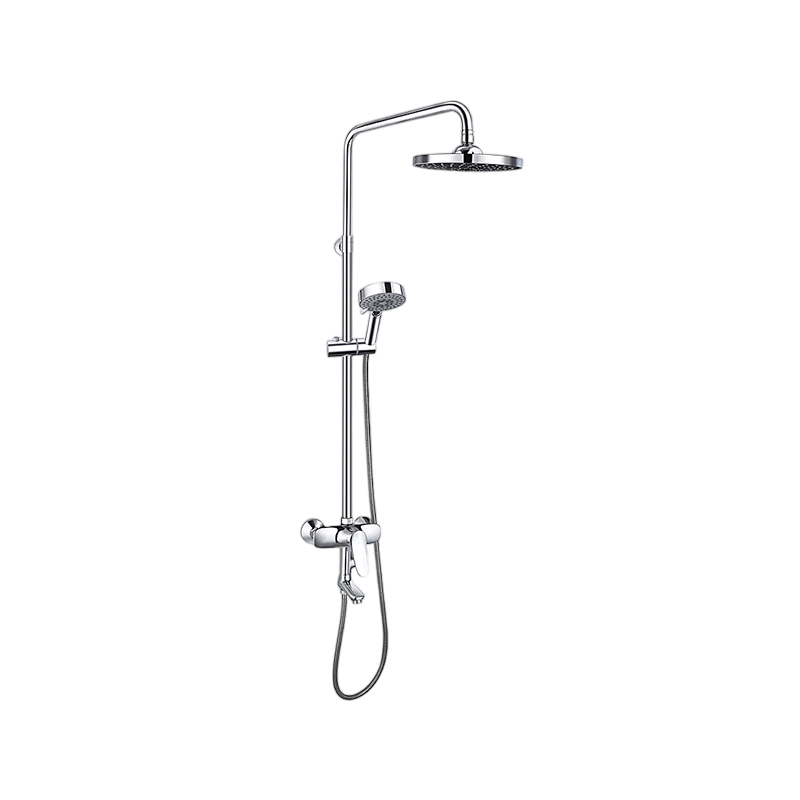
Few fixtures in a bathroom get touched as often as the faucet. It handles the first task of the morning and the last one before bed, and everything in between. That kind of daily workload means the choice of faucet matters beyond aesthetics — it needs to perform reliably and look the part while doing it. In both homes and commercial wash areas, faucets come up regularly when spaces are being refreshed, not just because they are functional necessities but because they are visible enough to shape how a room feels overall. Basic Structure of Bathroom Faucets Bathroom faucets typically consist of a spout, handle or handles, and a base or mounting component. The spout directs water into the sink basin, with lengths and heights varying to suit different sink styles. Handles control the volume and temperature through lever or knob mechanisms that connect to internal valves. That small screen on the spout end is worth paying attention to. It pulls air into the water as it flows out, which smooths the stream and keeps the counter from getting soaked every time someone washes their hands. The rest of the faucet mounts wherever the sink or counter was set up to accept it — deck, wall, single hole, three holes. Hook up the supply lines and that is genuinely about it. Common Categories Available Bathroom faucets appear in several categories based on handle arrangements and mounting methods. Single-handle models combine temperature and flow control in one lever, simplifying adjustments with one hand. Dual-handle versions separate hot and cold controls for precise mixing. Widespread faucets position the spout and handles across a wider span on the deck, while centerset options group components closer together. Wall-mounted types free up sink space by attaching directly to vertical surfaces. These categories allow alignment with various sink dimensions and user preferences in different bathroom layouts. Materials Commonly Used Producers select metals and finishes for bathroom faucets to support structural needs and surface qualities. Brass bodies provide a base for many units due to their shaping properties and corrosion resistance in typical conditions. Zinc alloys appear in other constructions for lighter weight assemblies. Finishes such as chrome, brushed nickel, or matte black cover the exterior surfaces. These layers contribute to appearance and general surface performance. Ceramic components often form the internal cartridges or discs that regulate water passages. The combination of materials influences the fixture's weight and interaction with water flow over time. Design Variations and Features Design approaches for bathroom faucets range from streamlined modern profiles to softer transitional forms. Spout styles include straight, curved, or gooseneck shapes that affect how water enters the basin. Some incorporate pull-out or pull-down sprays for added reach in certain setups. Handle shapes vary from long levers to round knobs or cross designs, offering different grip experiences. Touchless sensors appear in select electronic models, activating flow through proximity detection. Height and reach dimensions differ to coordinate with sink depths and user postures during daily activities. Integration Aspects in Bathroom Spaces Bathroom faucets fit into broader sink and counter arrangements through standard mounting holes. Deck-mounted versions align with pre-drilled patterns on many sinks, while freestanding or vessel sink pairings may require taller spouts for clearance. Coordination with other hardware like shower components or towel bars contributes to visual consistency in the room. The placement supports accessibility for various users, with handle positions that allow operation from standing or seated positions in some configurations. Flow patterns and noise levels during use receive attention in general fixture comparisons. These elements help bathroom faucets function as steady components within everyday environments.
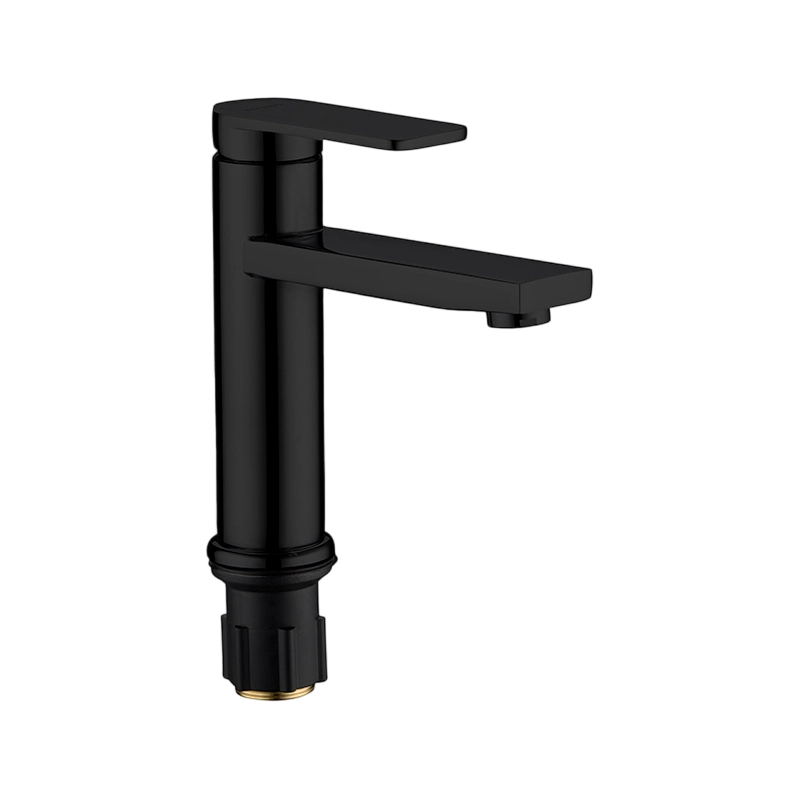
Brass water faucets have been around long enough that their continued presence in kitchens and bathrooms says something on its own. Plenty of materials have come along promising similar results at lower cost, and some of them have carved out a share of the market. But brass has held its ground, and the reasons are not hard to find once you start looking at how these faucets actually perform over years of daily use rather than just on the day they go in. Brass is copper and zinc mixed together, and the ratio between the two makes more of a difference than most people shopping for faucets ever stop to consider. Push the copper content higher and the material fights off corrosion better — which matters a great deal for something that never gets a break from water contact. The zinc does something different: it makes the alloy easier to cut, shape, and thread during manufacturing, which is how brass ends up in components that need tight tolerances and clean finishes. Pick up a brass faucet and the weight is the first thing that registers. It is noticeably heavier than plastic or zinc alloy alternatives, and that density is not just a tactile curiosity — it reflects wall thickness, casting quality, and the kind of material integrity that holds up over time. Handles on a well-made brass faucet turn with a firmness that feels intentional. Connections sit without any looseness. That solidity tends to persist through years of use in a way that lighter materials rarely manage. A few things consistently come up when buyers are working through their options: Casting quality and wall thickness: Clean casting with adequate wall thickness reduces the chance of weak points developing under sustained water pressure. Surface finish range: Brass takes finishing well — polished chrome, brushed nickel, oil-rubbed bronze, unlacquered brass, and matte black are all achievable, giving specifiers real flexibility across different interior schemes. Valve mechanism: Ceramic disc cartridges have largely taken over from rubber washers in contemporary faucets, and the difference in operation is noticeable — smoother, more consistent, and less prone to dripping over time. Mounting compatibility: Supply line connections and deck hole configurations need to match what is already in place, so checking the spec sheet before purchasing saves a trip back to the supplier. Flow rate and aerator spec: The aerator built into the spout controls water delivery, and confirming that rate suits the installation avoids surprises after the faucet is already in. Of all the decisions that go into choosing a brass faucet, finish is the one that changes how the whole room feels. Polished brass catches the light and runs warm — it drops into a traditional or transitional space without needing much help from the rest of the room. Brushed and satin versions tone that down considerably, and they are a lot more forgiving about fingerprints and water marks, which anyone who actually cooks in their kitchen will appreciate. Unlacquered brass is a different proposition entirely — it starts one way and slowly becomes something else, darkening and developing character as the years go by. That appeals to a certain kind of buyer. Brass water faucets stay relevant because they cover the basics without asking anyone to compromise. The material holds up, the finishes last, and the performance stays consistent in a way that justifies the attention they continue to receive from buyers who take plumbing fixtures seriously.





 English
 Español
 عربى
عربى