

 English
 Español
 عربى
عربىHigh gooseneck spout vertical kitchen faucet takes the familiar curved spout design and pushes it further — a more pronounced S-curve, a higher spout position, and noticeably more clearance under the ...
See Details
 Email: [email protected]
Picking a sink water faucet for a personal home is a quick decision. Picking one for a wholesale order is not. A single wrong specification — the wrong thread size, a cartridge that fails early, a finish that scratches during transit — turns into a container full of returns and an unhappy retail partner.
Wholesale buyers, distributors, and OEM/ODM clients need a repeatable way to check a faucet before committing to a bulk purchase order. This guide breaks that process into six practical steps, followed by a specification checklist and a supplier recommendation to help with the next round of quotations.
A faucet destined for a hardware wholesaler's shelf has different priorities than one going into a hotel back-of-house kitchen or a modular kitchen package for a real estate developer. Residential renovation projects tend to favor appearance and mid-range pricing, while commercial kitchens weigh durability and flow performance more heavily.
Deck-mounted faucets install directly on the sink or countertop and remain the most common request. Wall-mounted models suit farmhouse or apron-front sinks. Tall vertical or gooseneck spouts work well for deep basins and workstation sinks. Confirming which type moves fastest in your target market avoids overstocking a slow-selling configuration.
Brass remains the standard body material for sink water faucets because it casts and machines easily, holds plating well, and keeps unit cost manageable at volume. Lead-free brass alloys are widely used to meet drinking water safety rules in many markets.
Stainless steel, usually SUS304 grade, is a common alternative for buyers targeting markets with stricter lead-content regulations or a food-contact-safety marketing angle. It resists corrosion well in hard or salty water conditions and does not need a plating layer to look finished, though it typically costs more to machine than brass.
The cartridge is the part that fails first on a low-quality faucet. Ceramic disc cartridges are the standard choice across the industry because they resist mineral buildup and give smoother handle operation than older rubber-seal designs. When comparing suppliers, ask which cartridge brand or factory they use, and whether the cartridge is rated for a defined number of open-close cycles.
For single-handle faucets, also confirm the cartridge diameter, since replacement parts availability in the destination market can affect after-sales service for your retail or project clients.
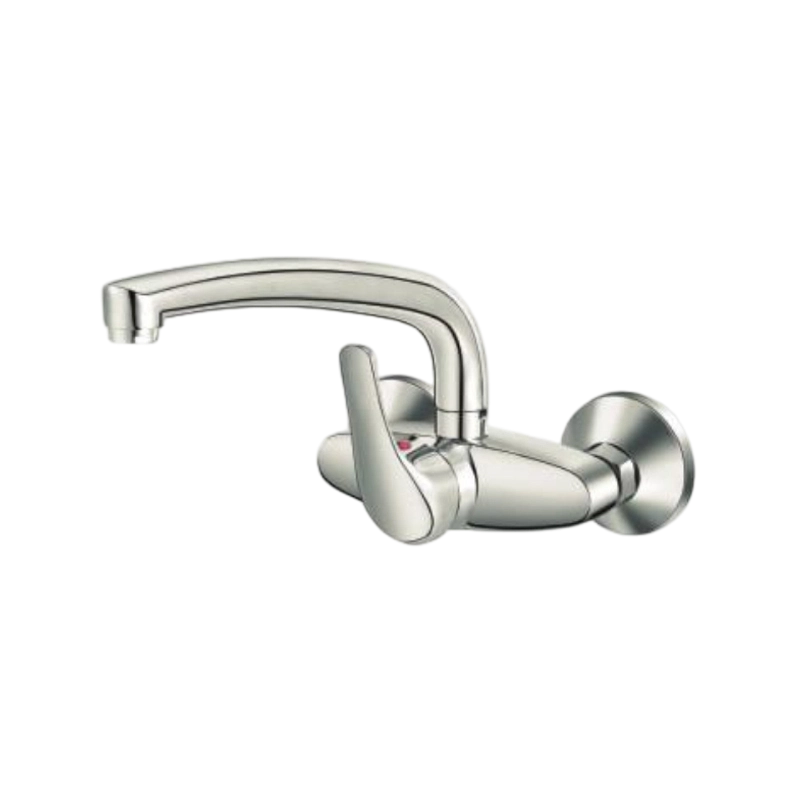
Polished chrome is still the most widely recognized finish and a safe base SKU for a general catalog. Matte black, brushed nickel, and champagne gold finishes have become regular additions rather than niche options, partly because matte and brushed surfaces show fewer fingerprints and water spots than a mirror-polished surface.
Ask about the plating or PVD (physical vapor deposition) process used, and whether a salt spray test result is available. This test measures how long a coating resists corrosion under controlled conditions and is a common reference point in faucet manufacturing quality control.
Flow rate affects both water-efficiency labeling and how the faucet performs in daily use. Standard kitchen faucet aerators typically flow at roughly 1.8 to 2.2 gallons per minute (about 6.8 to 8.3 liters per minute), with reduced-flow aerators available for markets that reference WaterSense or similar efficiency programs.
Certification requirements vary by destination market. Common reference points include CE marking for the European market, ISO 9001 as a general manufacturing quality standard, and various national plumbing or drinking-water-contact certifications. Confirm which certifications the supplier already holds versus which ones would need to be arranged for your specific order.
Many wholesale buyers eventually want a private label line rather than reselling a generic product. Before placing a bulk order, check whether the supplier supports:
Clarifying customization scope early prevents surprises around minimum order quantity and lead time once the order is already in motion.
Use this table as a working checklist when comparing quotations across suppliers. Figures shown are general industry reference ranges, not fixed specifications — always confirm exact numbers with the specific factory and product.
General reference ranges for sink water faucets — confirm exact figures per product with the supplier.| Specification | Common Reference Range | Why It Matters |
|---|---|---|
| Body material | Lead-free brass (e.g. HPb59) or SUS304 stainless steel | Affects corrosion resistance, weight, and cost |
| Cartridge type | Ceramic disc, single or dual handle | Directly affects service life and handle feel |
| Mounting thread | G1/2 inch standard connection (varies by market) | Determines plumbing fitting compatibility |
| Aerator flow rate | About 1.8–2.2 GPM (6.8–8.3 L/min); lower for WaterSense-referenced models | Relevant for water-efficiency labeling |
| Finish options | Chrome, brushed nickel, matte black, gunmetal, brushed gold | Drives plating line requirements and cost |
| Hose length (pull-out models) | About 20–24 inches (50–60 cm) | Affects working reach over the sink basin |
| Reference certifications | CE, ISO 9001, plus market-specific plumbing certifications | Supports import compliance checks |
Kolego is a Zhejiang-based manufacturer producing sink water faucets, washbasin faucets, bidet faucets, bathtub faucets, and shower faucets in both stainless steel and brass. The kitchen sink faucet range covers wall-mounted, vertical/gooseneck, and pull-out configurations, matching the type and material comparisons covered in this guide.
The company supports OEM/ODM cooperation including appearance customization (color, surface finish, handle shape), packaging customization (private labeling, color box design, label printing), and certification adaptation for different target markets. Small-batch sampling is available before committing to a bulk production run.
View Kitchen Sink Faucet Range →Three products from Kolego's current sink water faucet range fit common wholesale requirements described above:
A stainless steel body with a spout that slides vertically along the riser — a fit for buyers prioritizing the material comparison covered in Step 2.
View product →Installs directly on the wall with supply lines running inside the structure, matching the wall-mounted type discussed in Step 1.
View product →A flexible-hose pull-out spray head design, a common request for general wholesale catalogs and OEM starter lines.
View product →This varies by supplier and by whether the item is a standard in-stock model or a customized product. Confirm the minimum order quantity policy directly with the sales team before finalizing a product mix.
Yes. Sampling lets you check finish color, handle feel, and packaging quality before committing to full production, and it is a standard step most manufacturers support.
Not always. It depends on the target market and whether lead-content rules or a food-safety marketing angle apply. For general residential markets, brass remains a workable and cost-effective option.
Manufacturers offering OEM/ODM service can typically apply private label packaging and logo printing to existing product lines, including the models referenced in this guide. Confirm minimum order quantity and lead time directly with the supplier.
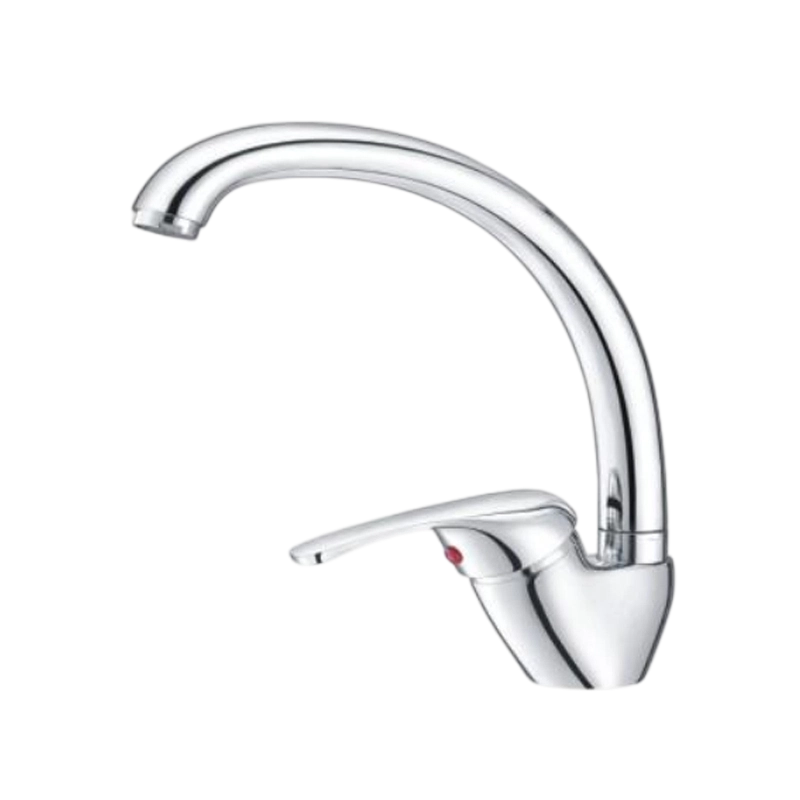
High gooseneck spout vertical kitchen faucet takes the familiar curved spout design and pushes it further — a more pronounced S-curve, a higher spout position, and noticeably more clearance under the ...
See Details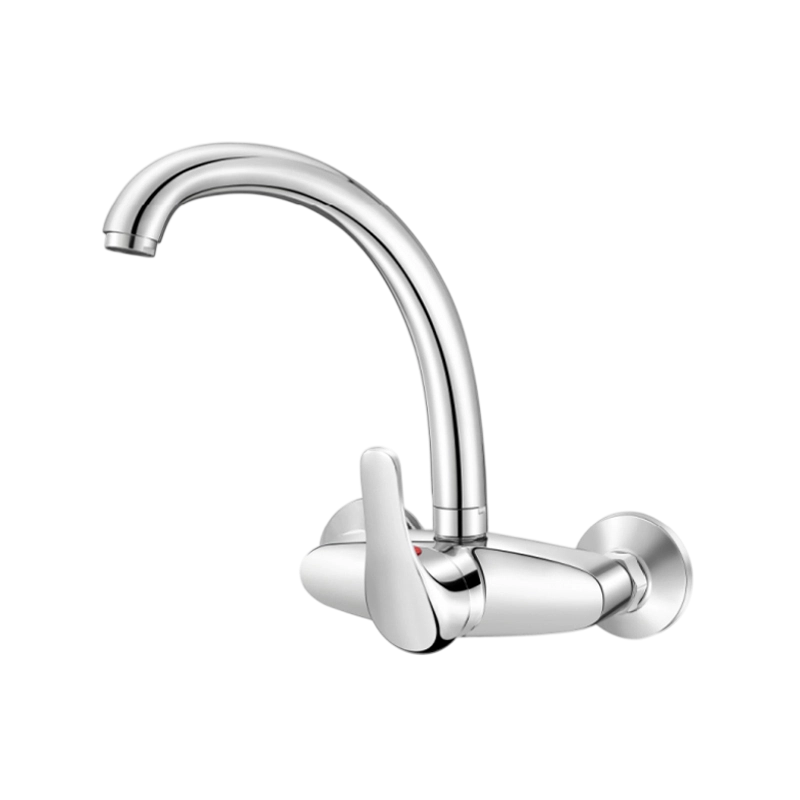
Concealed wall-mounted vertical kitchen faucet has the valve body and supply pipes embedded inside the wall. Only the spout and handle come through the wall surface. The countertop has no base plate, ...
See Details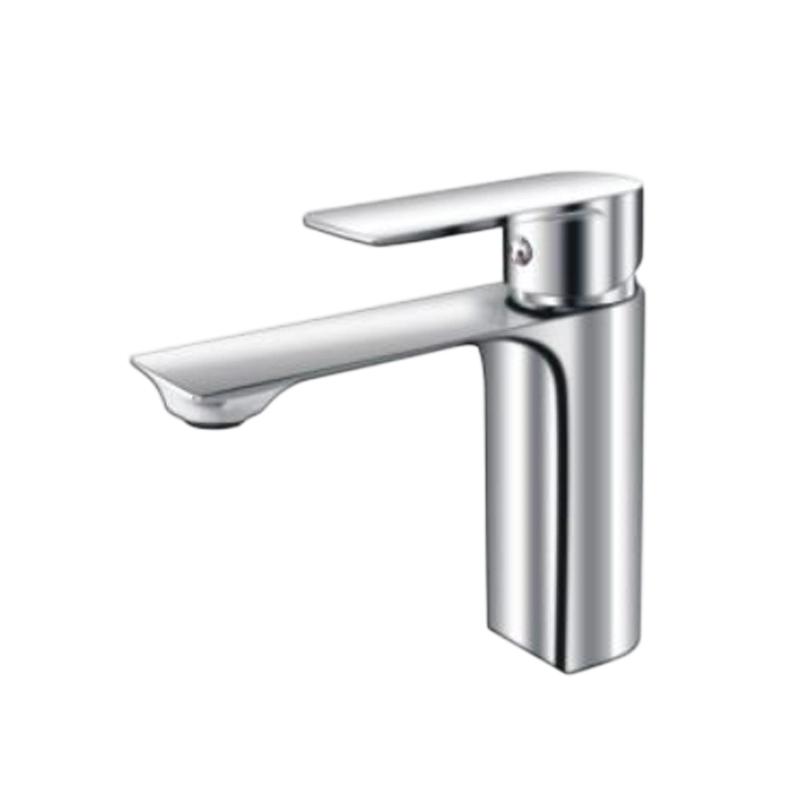
This is a basin faucet with a significantly taller body than standard models. It's made entirely of brass with a chrome-plated finish. The chrome plating gives this brass chrome-plated high-mounted wa...
See Details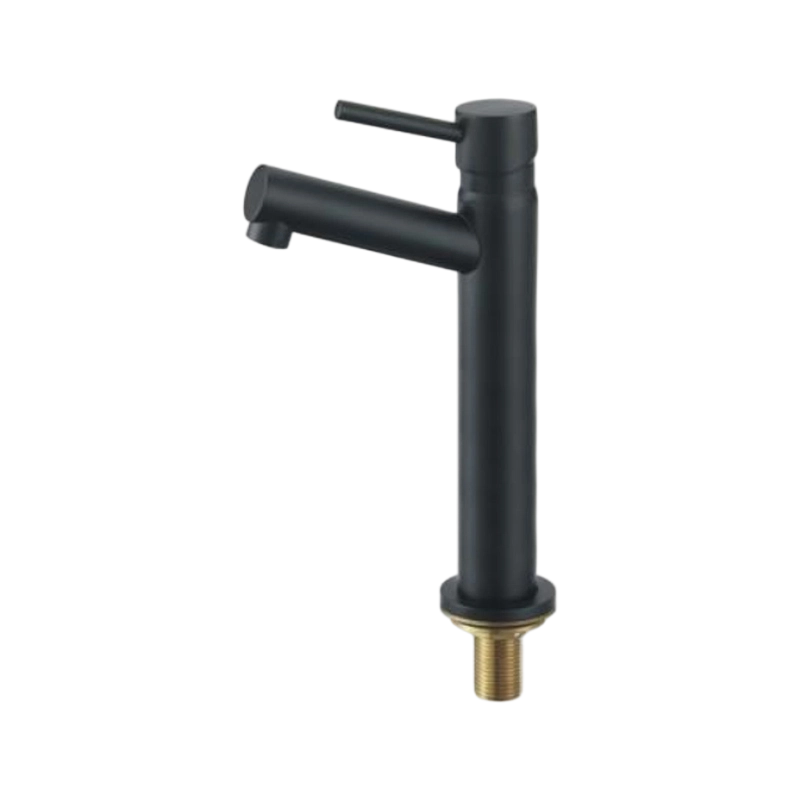
This is a washbasin faucet that only dispenses cold water, has a taller body than the standard model, and uses a welded connection for its internal piping.Cold Water Only: This welded heightened singl...
See Details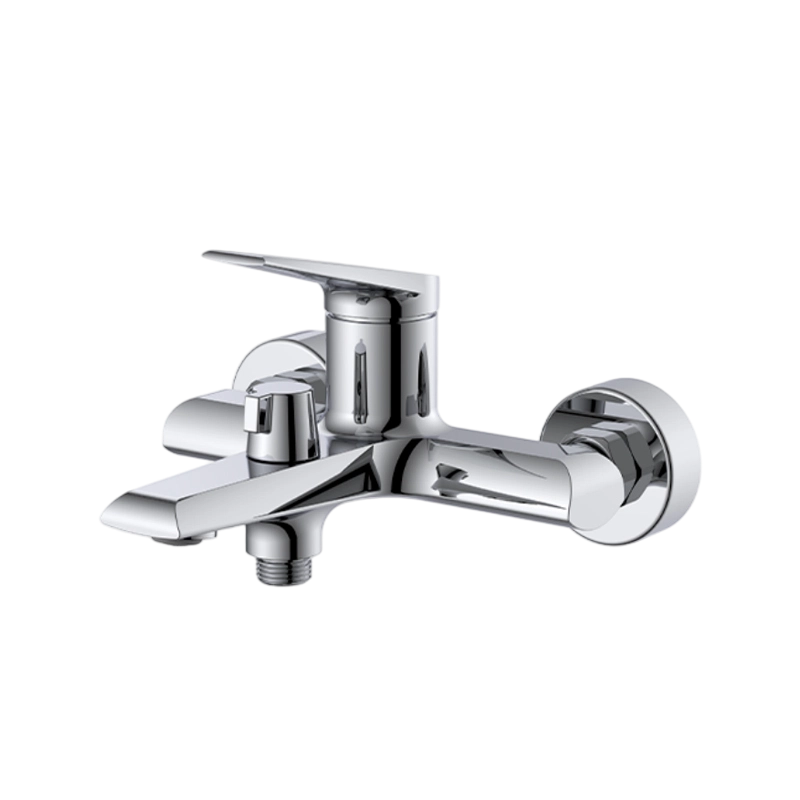
This Wall-mounted bathtub mixer faucet is designed for installation on the bathroom wall to deliver a blend of hot and cold water to the tub. Featuring a minimalist structure, it mounts directly to th...
See Details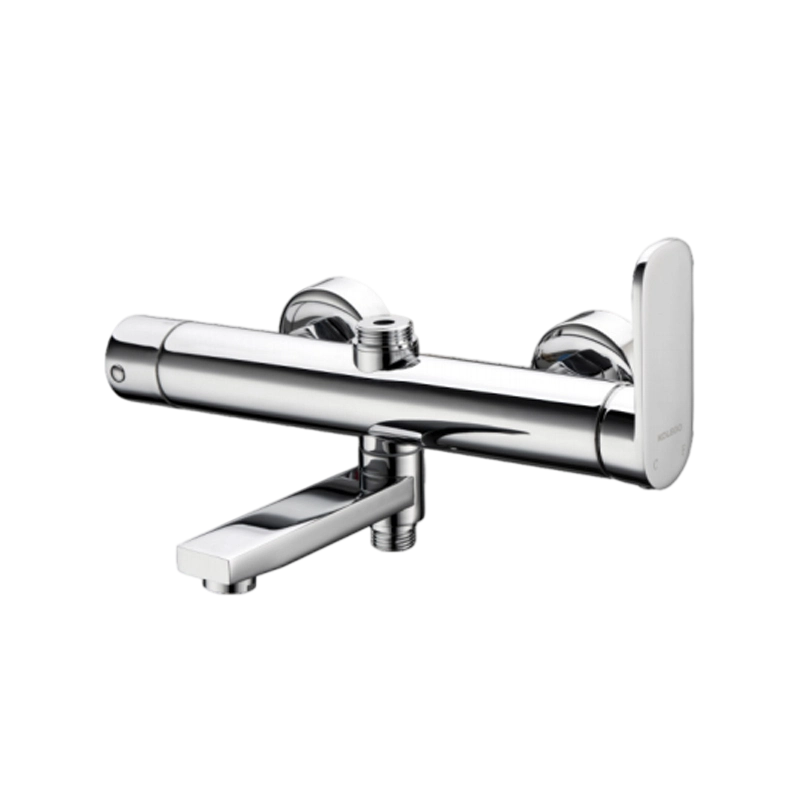
Multi-functional extended wall-mounted bathtub faucets solve a specific installation problem that standard wall-mounted faucets cannot address: how to supply water to freestanding or floor-standing ba...
See Details

