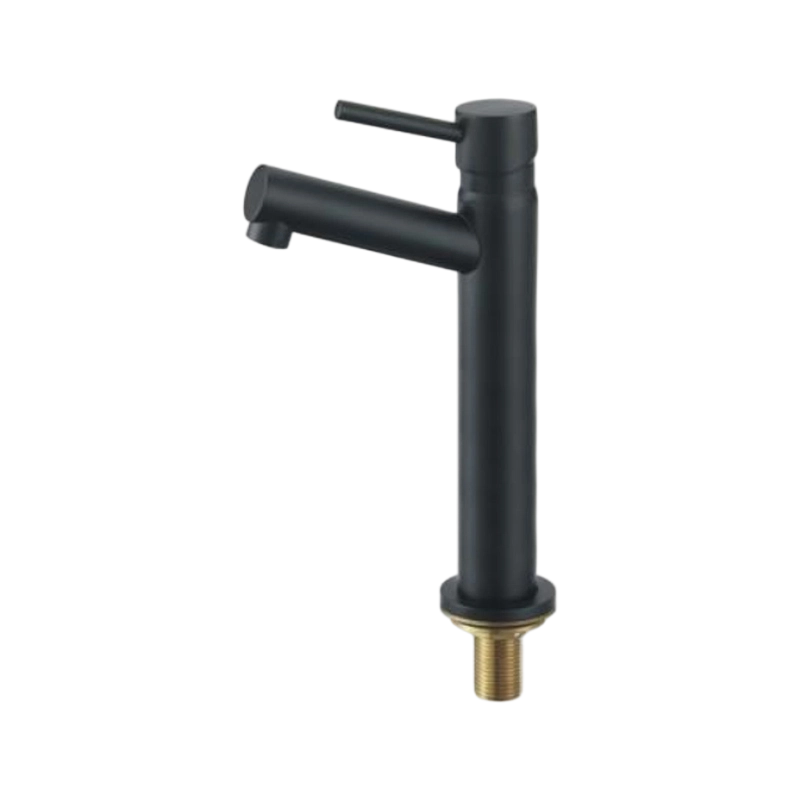
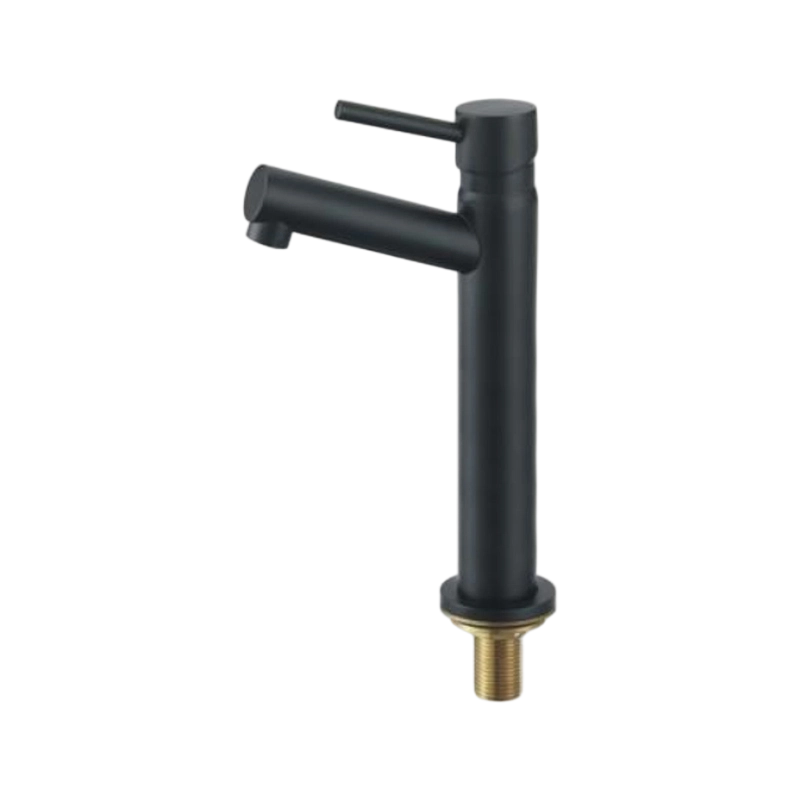
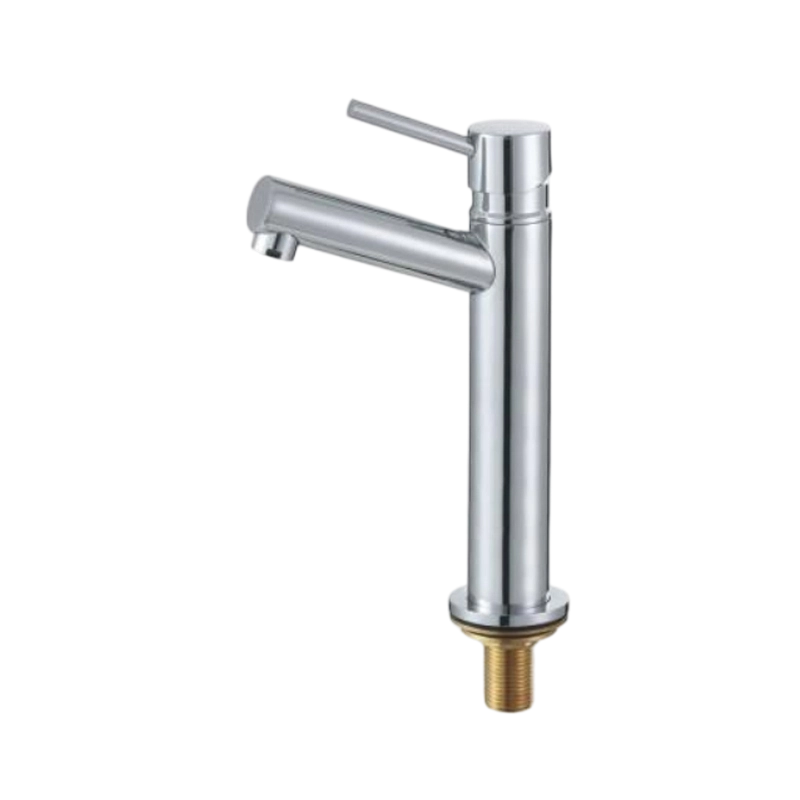
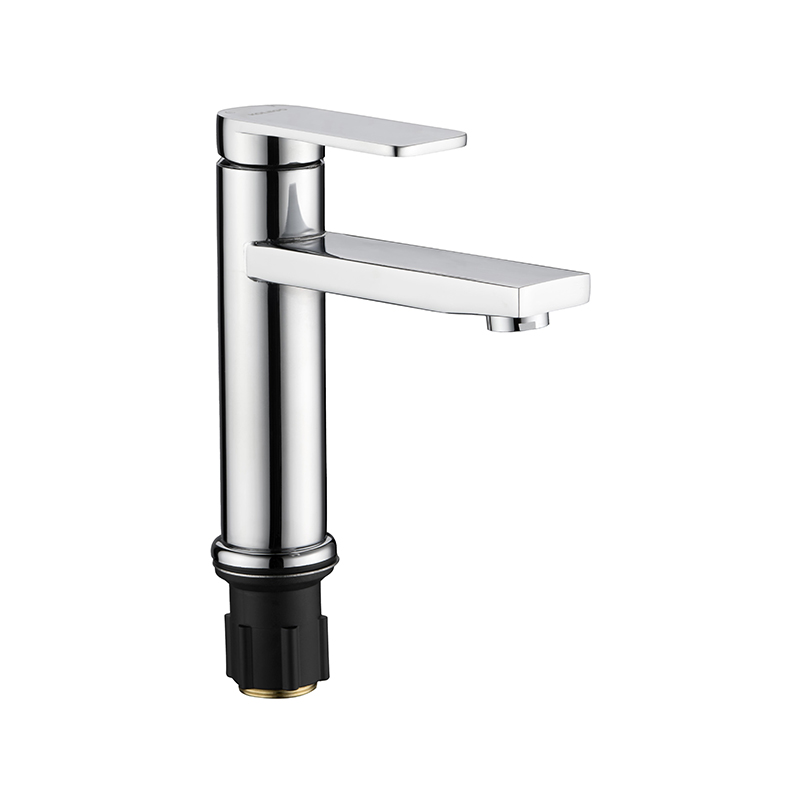
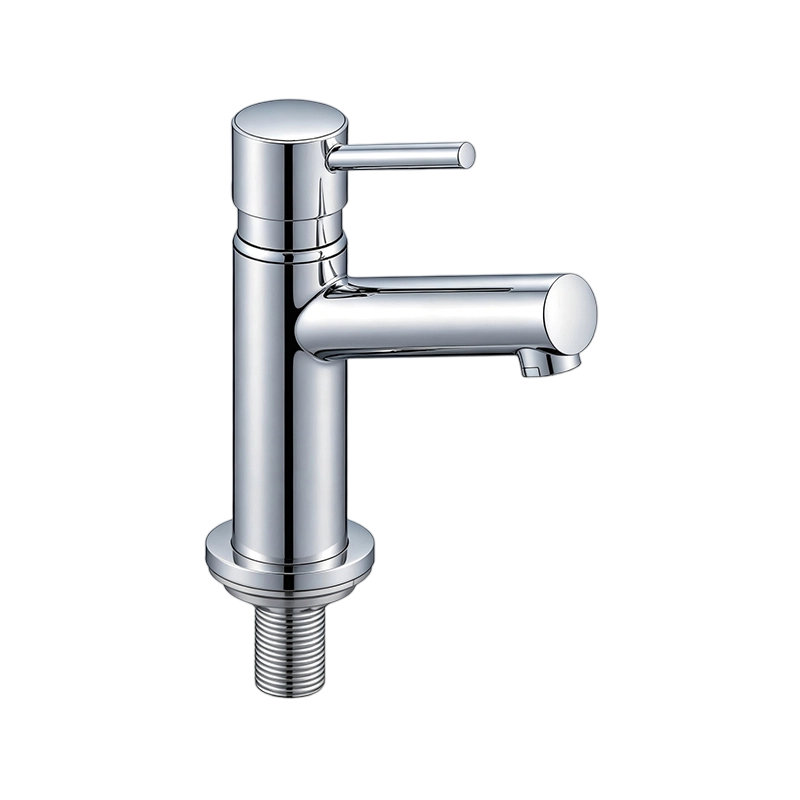
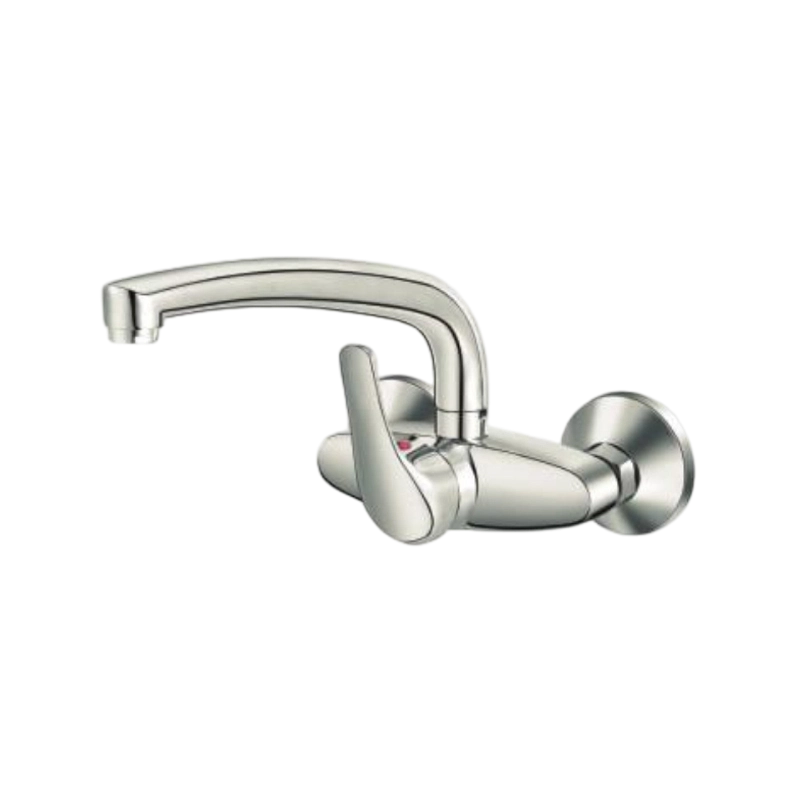
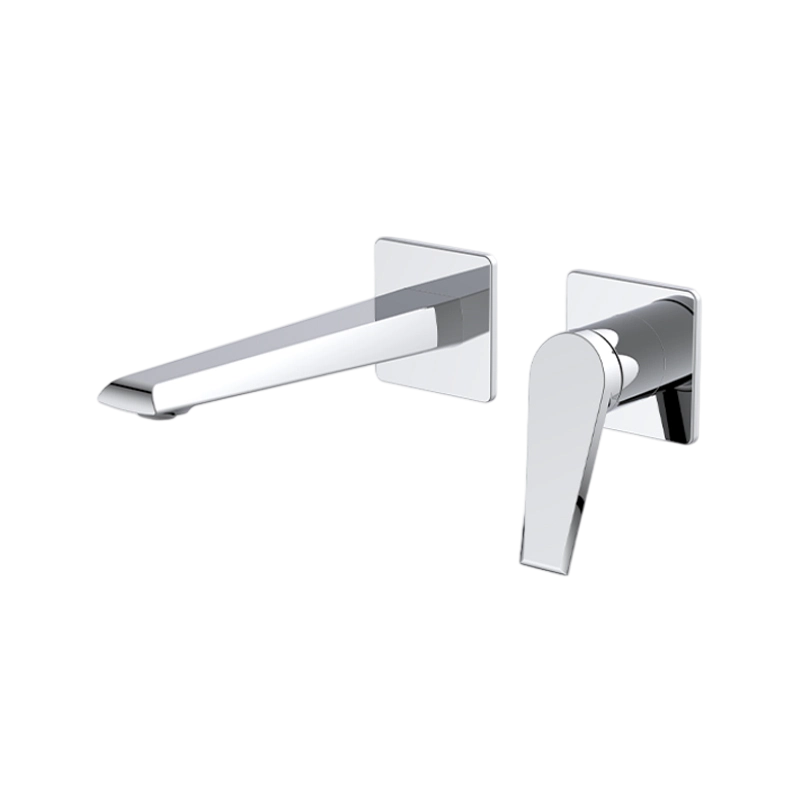
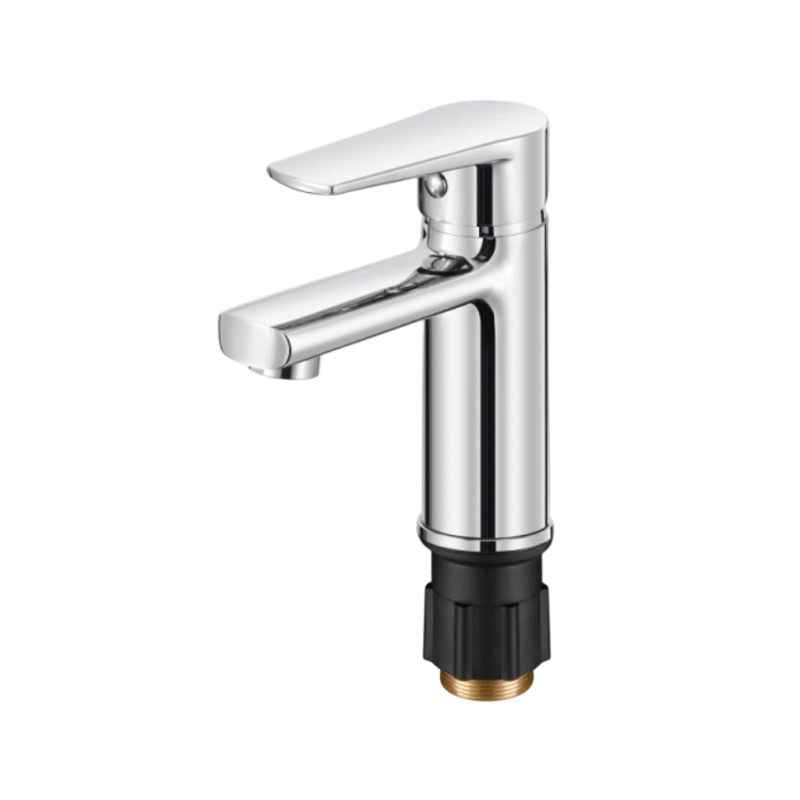
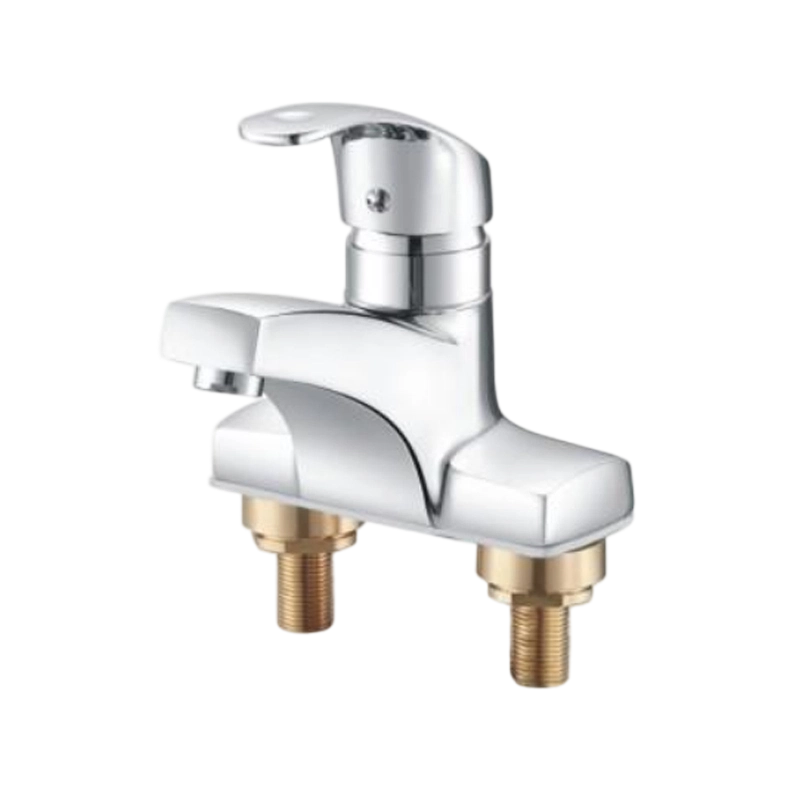
This is a washbasin faucet that only dispenses cold water, has a taller body than the standard model, and uses a welded connection for its internal piping.
Cold Water Only: This welded heightened single-cold washbasin faucet connects to only one inlet pipe, dispensing only cold water, with no hot-cold mixing functionality. The structure is simpler than hot and cold water models, reducing potential points of failure and suiting situations where hot water isn't needed.
Heightened: The faucet is taller than the standard model, with the spout further from the countertop, suiting taller basins, thicker countertops, or scenarios requiring more operating space.
Welded Connection: The internal copper pipe joints are connected by welding rather than threading or crimping. This welded structure provides a more stable seal, reducing the likelihood of leaks at the joints in high-frequency commercial environments.
Suitable use cases
School Toilets
Extremely high usage frequency; the single-cold structure is simple and durable, with low maintenance costs. Welded seals reduce leakage and repair requests.
Factory/Workshop Toilets
High demand for handwashing with no need for hot water. The raised water outlet facilitates operation and prevents dirty hands from easily touching the valve body.
Commercial Office Building Public Toilets
Property management requires low maintenance costs; a welded heightened single-cold washbasin faucet has a low failure rate and suits large-scale standardized configuration.
Outdoor/Semi-Outdoor Washbasins
No hot water pipe connection needed, simplifying installation — suitable for parks, construction sites, and temporary facilities.
Student Dormitory Hallway Washing Areas
Centralized washing scenarios with multiple faucets installed side-by-side; the raised single-cold design provides a uniform, neat configuration.
Farmers Markets/Food Processing Plants
Requires a large flow of cold water for washing vegetables and utensils; the raised design facilitates handling of large items.
Property Renovation Projects
Replacing old faucets; standardized procurement reduces the complexity of later maintenance and spare parts management.
Core Functions
Welded seal, long-term leak-proof
Ordinary threaded joints age under repeated thermal expansion and water pressure fluctuations, eventually leaking. Welding fuses the pipes directly, resulting in a stronger overall structure and significantly longer seal life in high-frequency commercial environments.
Single-cold structure, fewer potential failure points
Eliminating the hot-cold mixing valve reduces internal parts, lowering failure probability and simplifying maintenance — translating to lower post-construction maintenance costs for property management and general contractors.
Raised design, ample operating space
The greater distance between outlet and countertop allows unrestricted wrist movement when washing hands and suits washing larger items. In factories and food processing settings, ease of use directly affects efficiency.
Brass body, corrosion and pressure resistant
Brass performs stably in hard water areas or complex industrial water environments, unlike zinc alloy which is prone to corrosion and perforation, and adapts well to water pressure differences between floors.
Built-in aerator at the water outlet
Some models include an aerator for gentler flow, reduced splashing, and water savings — meaningful given the volume of water commercial settings consume over time.
Addressing Customer Concerns
Ordinary faucets starting to leak after only six months in commercial settings is a frequent complaint, since commercial use is several times more frequent than residential. The welded internal structure paired with commercial-grade valve cores is designed specifically for this scenario rather than relying on a residential-grade compromise.
Inconsistent specifications after bulk purchases can lead to chaotic installation sites. Batch size inspection reports are available before shipment, with production parameters locked to project specifications to ensure consistency across bulk orders.
Difficulty finding spare parts for after-sales maintenance is a common worry after project handover. Long-term stocking of the same valve cores and wear parts is supported, letting buyers purchase spares in bulk and reduce future maintenance risk.
Frequently Asked Questions
Q1: Is there a significant difference between welded and threaded faucets in actual use?
In low-frequency household use, the difference isn't noticeable. In high-frequency commercial environments, however, the sealing ring at a threaded joint ages faster under repeated stress, typically starting to leak within 1-2 years. Welded joints don't carry this vulnerable sealing ring, resulting in longer overall lifespan and lower maintenance frequency.
Q2: Can a cold water faucet be converted to hot and cold later?
It can't be directly converted. The internal structure and inlet interface of a welded heightened single-cold washbasin faucet differ from hot-and-cold models, so adding hot water later means replacing the entire faucet and reconnecting piping. Confirming whether the intended location needs hot water before purchasing avoids secondary construction.
Q3: Will the increased height cause instability after installation?
The added height does place higher demands on the installation and locking structure. Reinforced countertop fixing structures address this, and following the torque requirements in the instruction manual when tightening fixing nuts is recommended to ensure long-term stability.



 English
 Español
 عربى
عربى