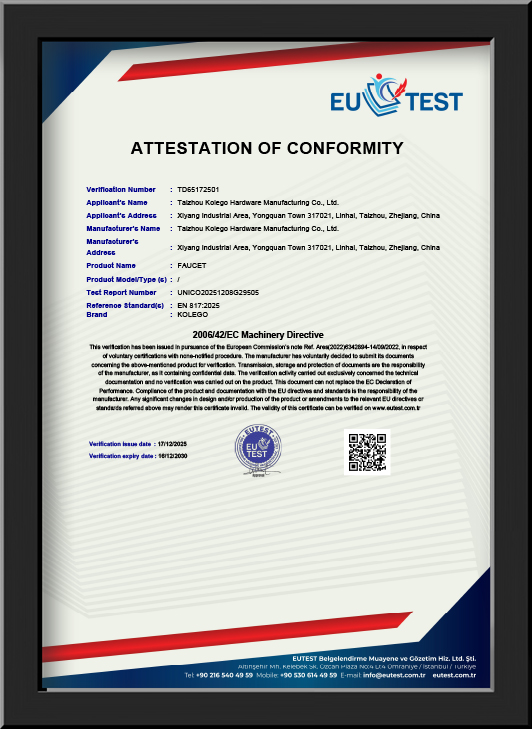
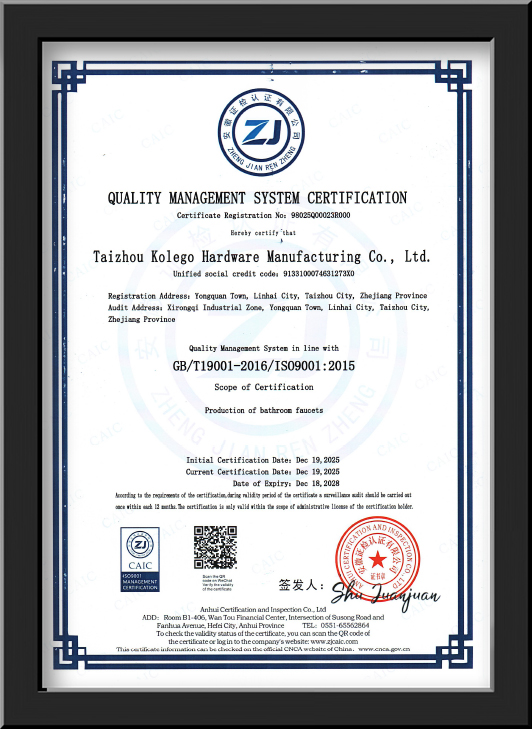
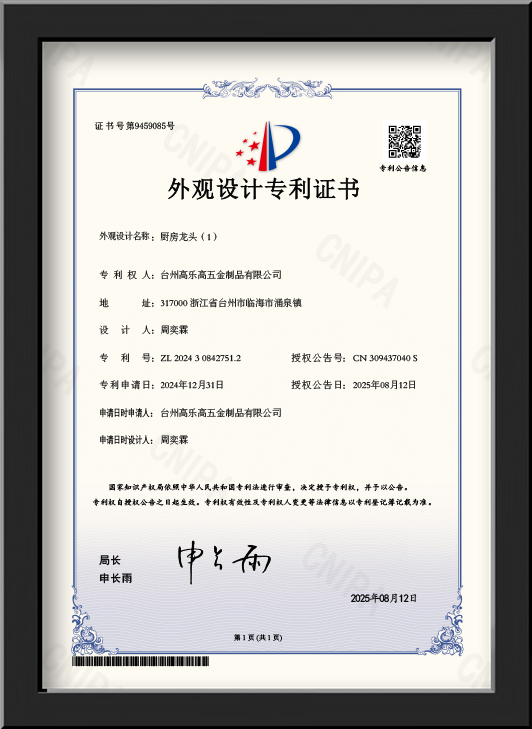
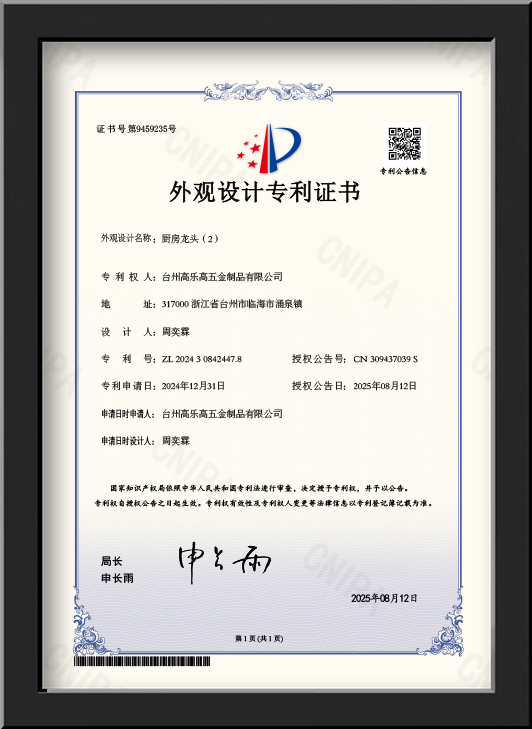
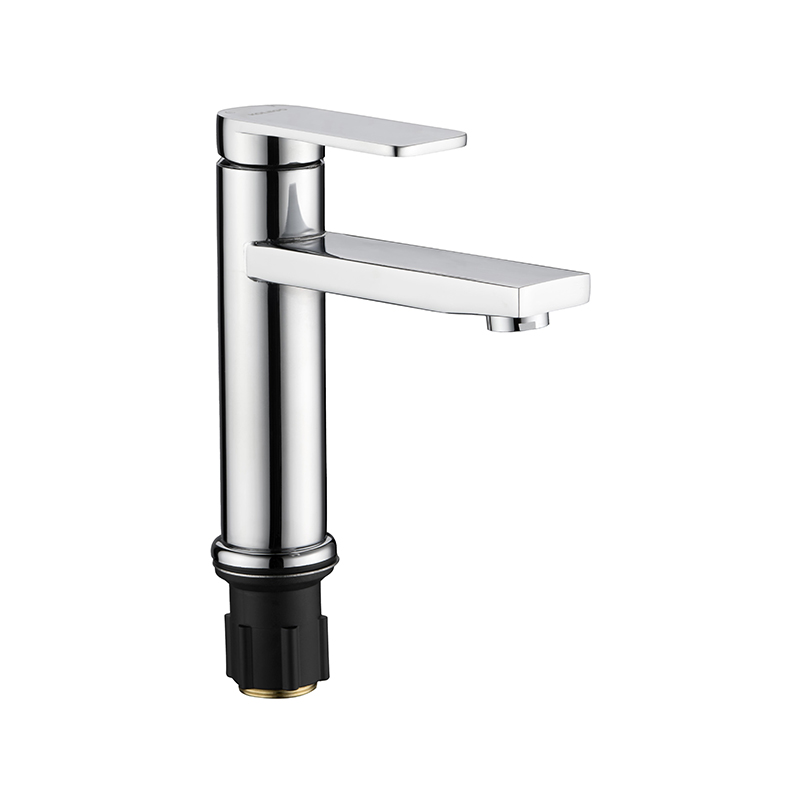
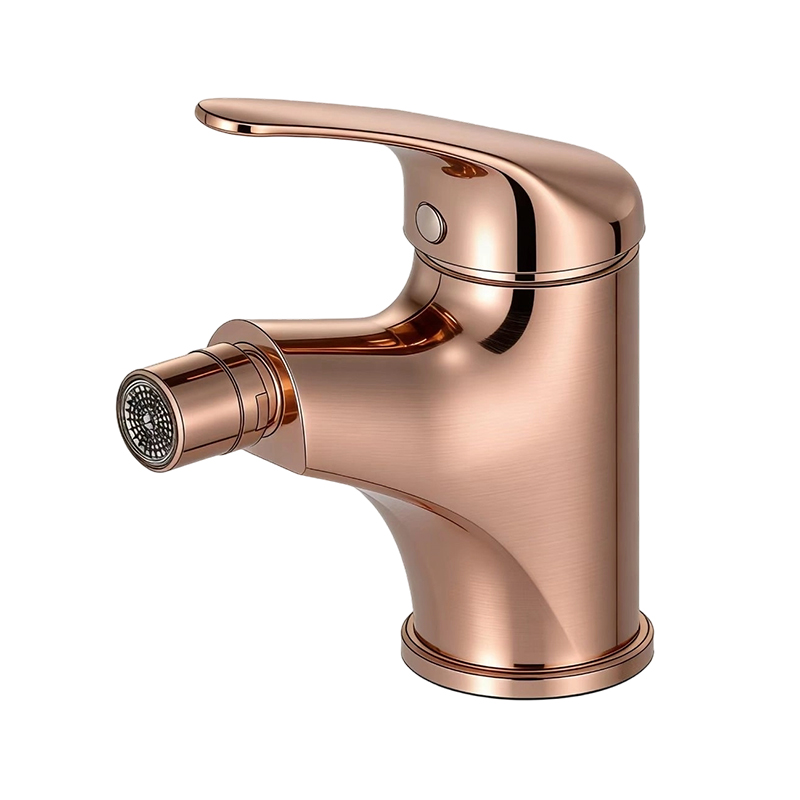
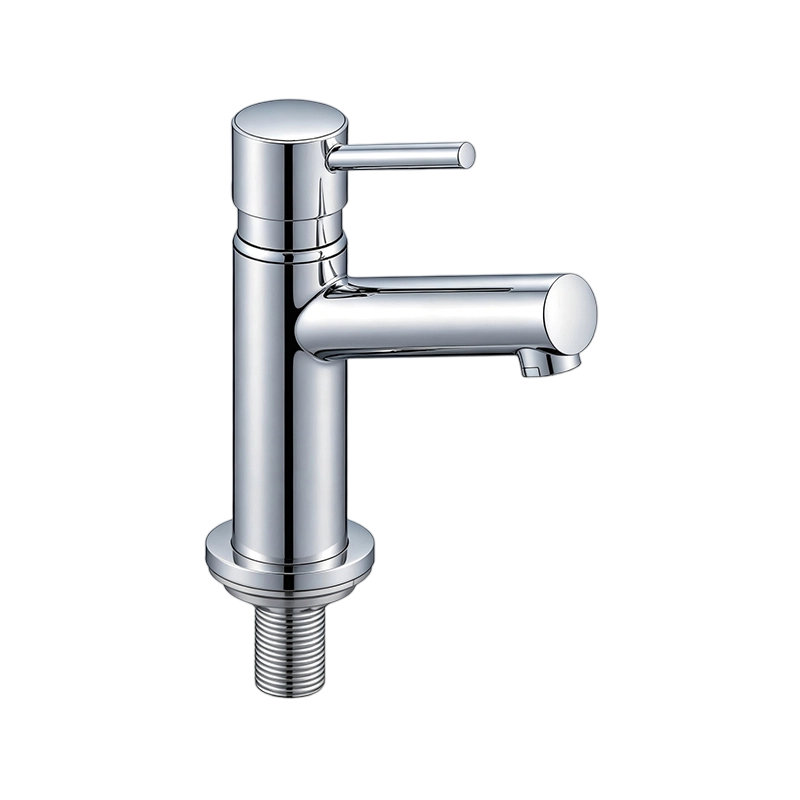
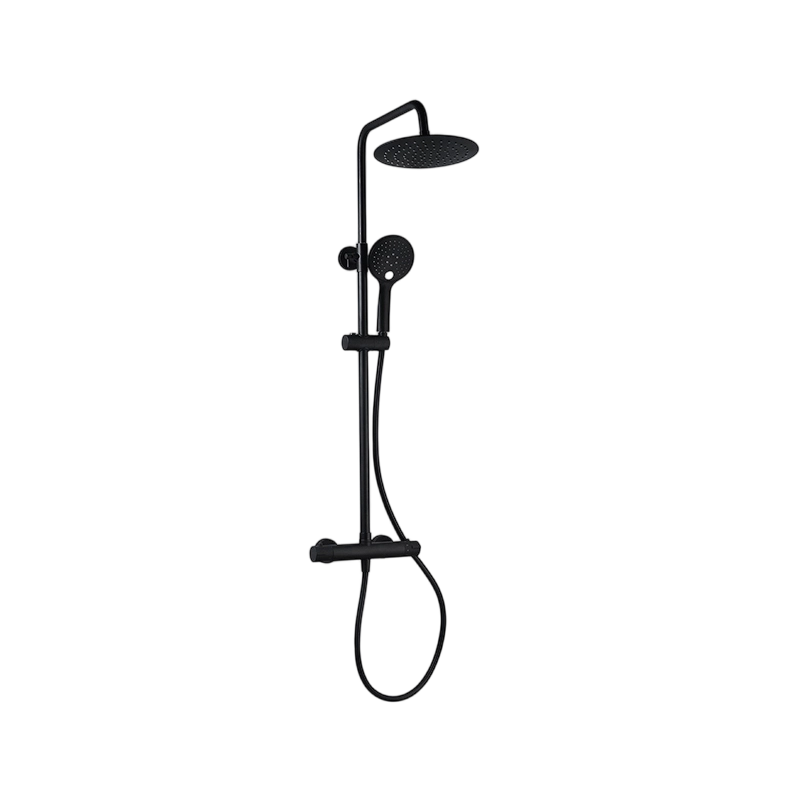
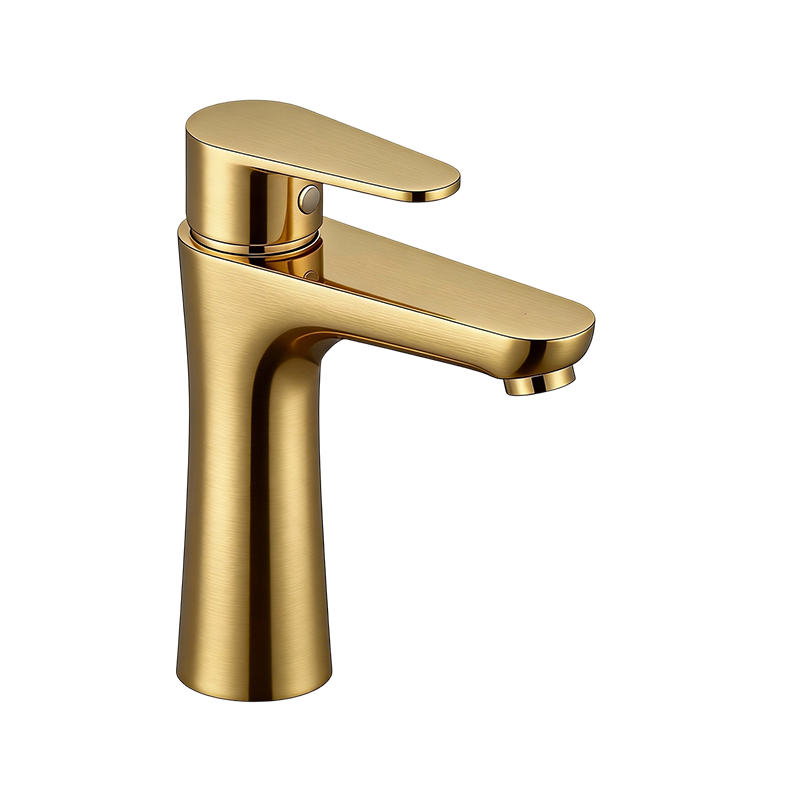
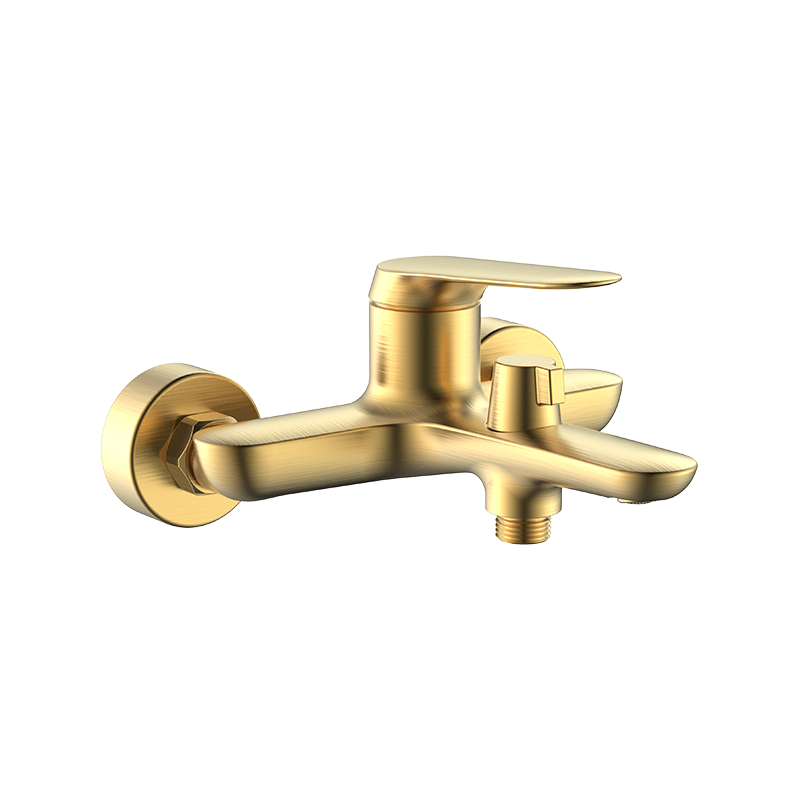
Stainless steel basin faucets are faucet products made primarily of stainless steel and installed on washbasins (washbasins/desk basins). Compared to traditional brass faucets, stainless steel is characterized by its superior corrosion resistance, rust resistance, and lead-free nature, meeting the hygiene requirements of many markets for drinking water contact hardware.
Application Scenarios
The main purchasers and user scenarios for stainless steel basin faucets include:
Bathroom hardware distributors and building material stores, for daily retail or sales of complete bathroom sets; real estate developers involved in high-end renovation projects, for the overall procurement of bathroom hardware, especially for projects with high environmental and lead-free requirements; contractors for public buildings such as hotels, office buildings, schools, and hospitals, often using stainless steel in high-traffic public handwashing areas due to its durability and ease of cleaning; cross-border e-commerce and overseas distributors, for OEM procurement in markets with strict lead-free faucet requirements, such as Europe and the United States; and bathroom renovation projects, for old building renovations or partial bathroom modifications.
Stainless steel basin faucets are well-suited for projects requiring high water safety and corrosion resistance, such as those in coastal areas, regions with hard water, or export markets with stringent environmental certification requirements.
Reasons for Purchasing: Why Choose This Type of Product?
Higher Material Safety: Stainless steel is lead-free, meeting lead-free certification requirements in markets (such as regulations in some European and American regions regarding hardware in contact with drinking water). This makes it suitable for buyers with stringent environmental compliance needs.
Corrosion Resistance and Rust Resistance: Stainless steel faucets are corrosion-resistant and rust-resistant, resulting in a relatively stable lifespan. This makes them suitable for frequently used public places or areas with poor water quality, and long-term operating costs are more controllable.
Easier Cleaning and Maintenance: Stainless steel surfaces are less prone to limescale and fingerprints (depending on the surface treatment process), reducing later maintenance costs.
Mature Supply Chain: Factories can control the entire process from raw materials to finished product assembly, ensuring consistent quality and delivery times during bulk purchases.
Cost-Effectiveness: Stainless steel and brass have different cost structures, allowing buyers to choose the appropriate material grade based on their target market and budget.
Price-Effectiveness: Stainless steel and brass have different cost structures, allowing buyers to choose the appropriate material grade based on their target market positioning and budget.
Frequently Asked Questions
Q1: What's the difference between stainless steel basin faucets and brass faucets?
The main difference lies in the material properties. Stainless steel is usually lead-free and has superior corrosion resistance, while brass may have advantages in cost and feel. The specific choice should be made considering the regulatory requirements of the target market and your budget.
Q2: Are all stainless steel faucets lead-free?
Not necessarily. Whether or not they are lead-free depends on the specific material and manufacturing process. It is recommended to request a material testing report from the supplier to confirm, rather than judging solely by the words "stainless steel."



 English
 Español
 عربى
عربى