

 English
 Español
 عربى
عربىSourcing faucets from an overseas manufacturer is one of the more involved procurement decisions a distributor or brand can make. The right partner affects product consistency, del...
READ MORE
 Email: [email protected]
Stainless steel kitchen faucets are kitchen faucets made primarily of stainless steel. The main difference between them and traditional brass faucets lies in the material: stainless steel is lead-free, has excellent corrosion resistance, and is not prone to rusting or discoloration even after prolonged contact with food and water. Therefore, increasingly, markets with high demands for food safety and environmental protection are prioritizing stainless steel faucets.
Application Scenarios
Stainless steel kitchen faucets are mainly used in the following procurement scenarios:
Markets with strict requirements on lead content: For example, California's Prop 65 and some European countries have high limits on lead in drinking water contact parts, making stainless steel faucets a common compliant choice.
Environmentally friendly/healthy brands: Home furnishing brands or e-commerce private labels emphasizing "lead-free" and "food-grade" features.
Commercial kitchens: Hotel and restaurant kitchens, prioritizing corrosion resistance, ease of cleaning, and rust resistance.
Modern minimalist residential projects: The brushed stainless steel texture matches Nordic and industrial styles.
Wholesale markets focused on cost-effectiveness: 201 stainless steel models are more affordable, suitable for wholesale channels with limited budgets.
Private label (private label/OEM): Customized products emphasizing environmentally friendly materials.
Different markets have different focuses. European and American markets prioritize lead content compliance and food safety certifications, while cost-effective markets prioritize a balance between cost and durability.
Stainless steel kitchen faucets offer flexible options for cost and performance adjustments, which can be made based on the following dimensions:
Steel Grade: 304 and 316 differ in corrosion resistance and cost; choose according to your target market and budget.
Surface Finish: Brushed, chrome-plated, and PVD finishes are available in multiple colors to match different decorating styles.
Function Configuration: Adjustments can be made based on usage habits to determine if a pull-out/pull-down spray head is needed.
Packaging and Labeling: Customization of customer brand logos, instruction manuals, and certificates of conformity is supported to highlight the environmentally friendly material's selling point.
Small Batch Sampling: Samples can be provided for confirmation before placing bulk orders.
Customization projects typically affect delivery time and minimum order quantity. It is recommended to clearly state your target market, steel grade, and certification requirements when requesting a quote to ensure an accurate price and delivery time.
Frequently Asked Questions (FAQs)
Q1: What is the difference between 304 and 316 stainless steel faucets?
A: 316 stainless steel contains more molybdenum, resulting in stronger corrosion resistance than 304. It is commonly used in coastal areas or markets with higher water quality requirements, and its price is correspondingly higher. The specific choice should be determined based on your target market and budget.
Q2: Do stainless steel faucets contain lead?
Food-grade 304 and 316 stainless steel are lead-free, making them generally more environmentally friendly and safer than some brass faucets, suitable for home kitchens and drinking water systems.
Q3: How to judge the quality of a stainless steel kitchen faucet?
When purchasing, pay attention to the following:
Is the material 304 or 316 stainless steel?
Is a material testing report provided?
Valve core brand and lifespan
Surface treatment process
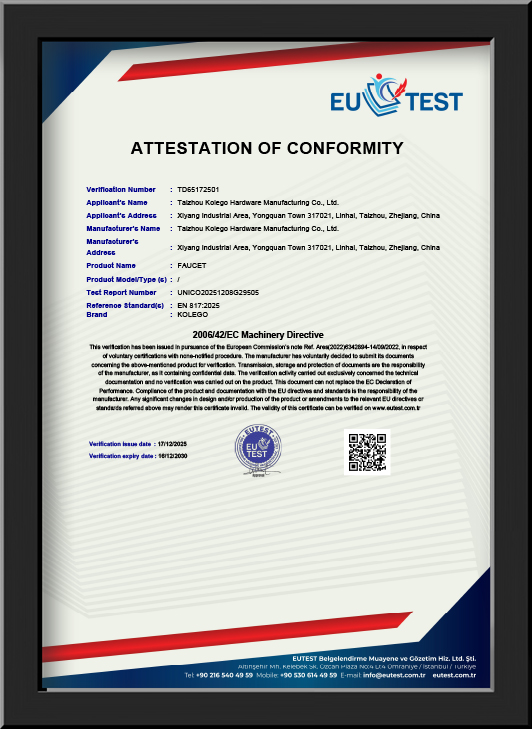
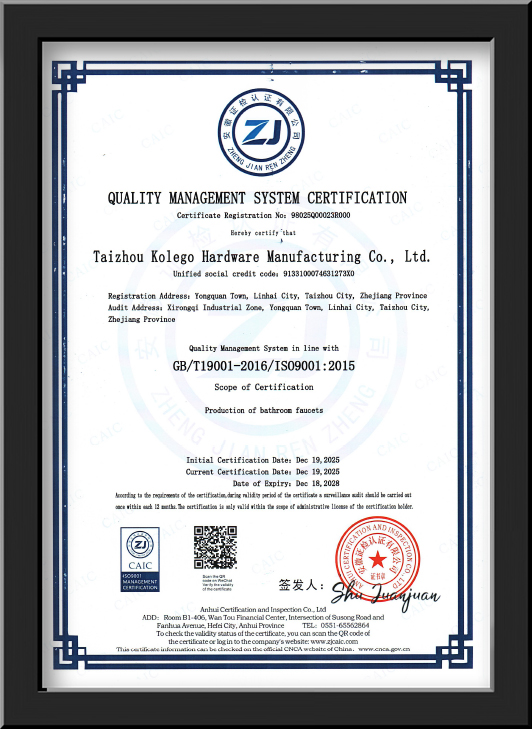
Is it certified?
Manufacturer's production experience and after-sales service.

Sourcing faucets from an overseas manufacturer is one of the more involved procurement decisions a distributor or brand can make. The right partner affects product consistency, del...
READ MORE
Standing in front of a faucet display, many buyers eventually arrive at the same question: Stainless Steel Faucet or Brass Faucet? It may seem like a small decision, but choosing b...
READ MORE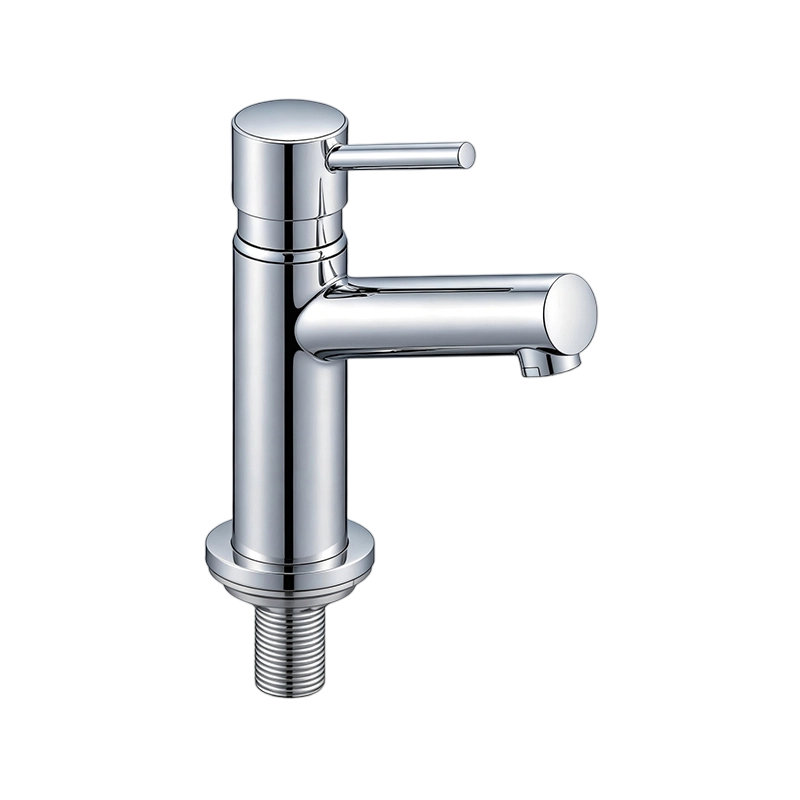
AISI304 Water Faucet has become a go-to material in kitchen and bathroom faucet manufacturing, and the reasons aren't hard to follow. It resists corrosion, tolerates the chemical c...
READ MORE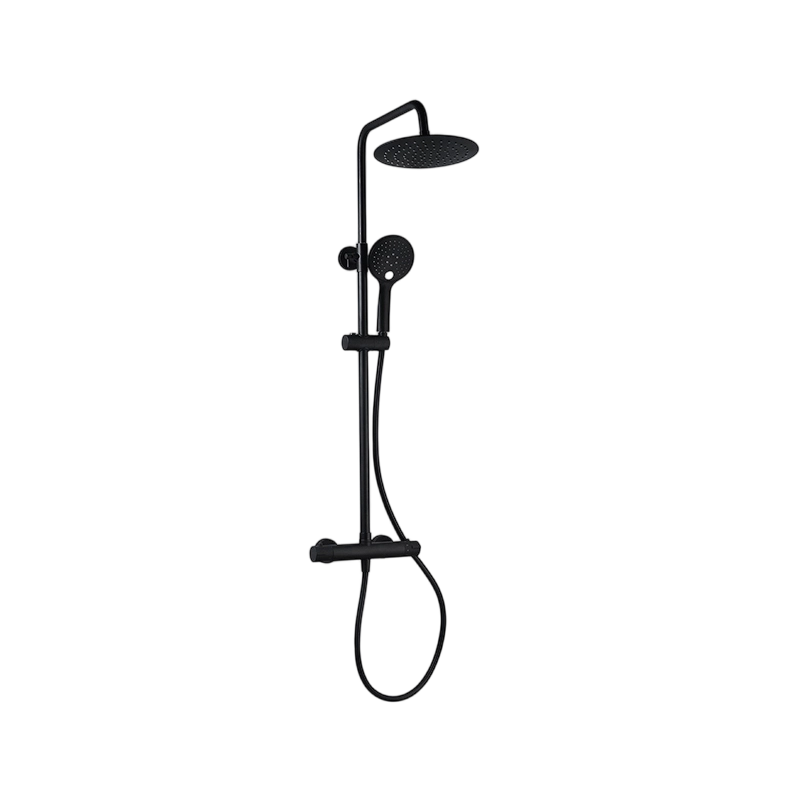
Shower faucets play a key role in bathroom setups, managing water flow and temperature for daily routines. These fixtures support a range of shower experiences, from quick rinses t...
READ MORE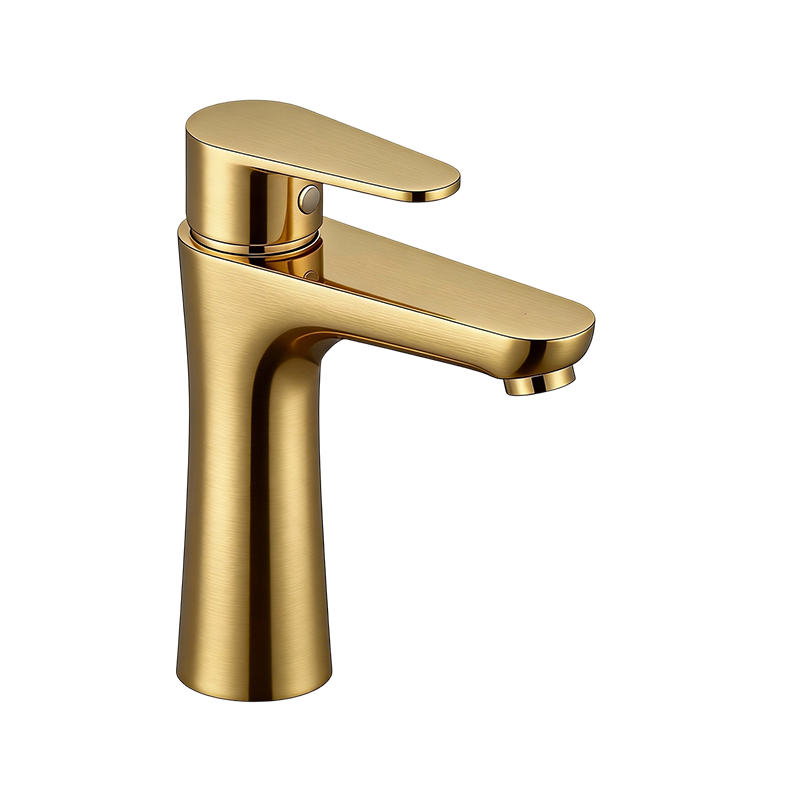
Basin faucets do more than just control water — they're one of those fixtures you interact with multiple times a day without really thinking about it. Washing your hands, splashing...
READ MORE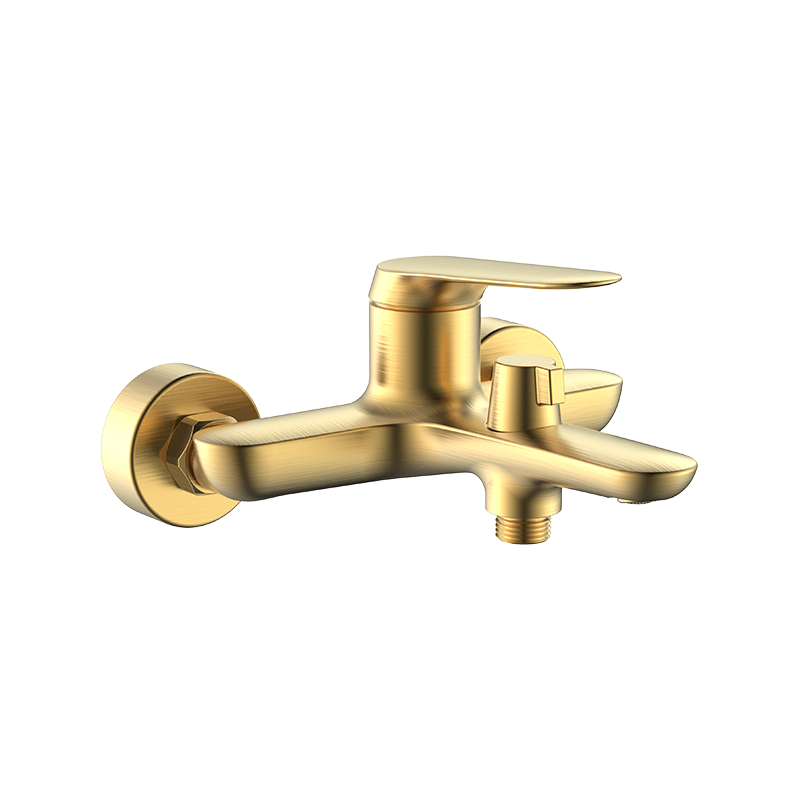
A water faucet is background infrastructure until it is not. It runs through every kitchen, every bathroom, every utility space without drawing any particular attention — just doin...
READ MORE

