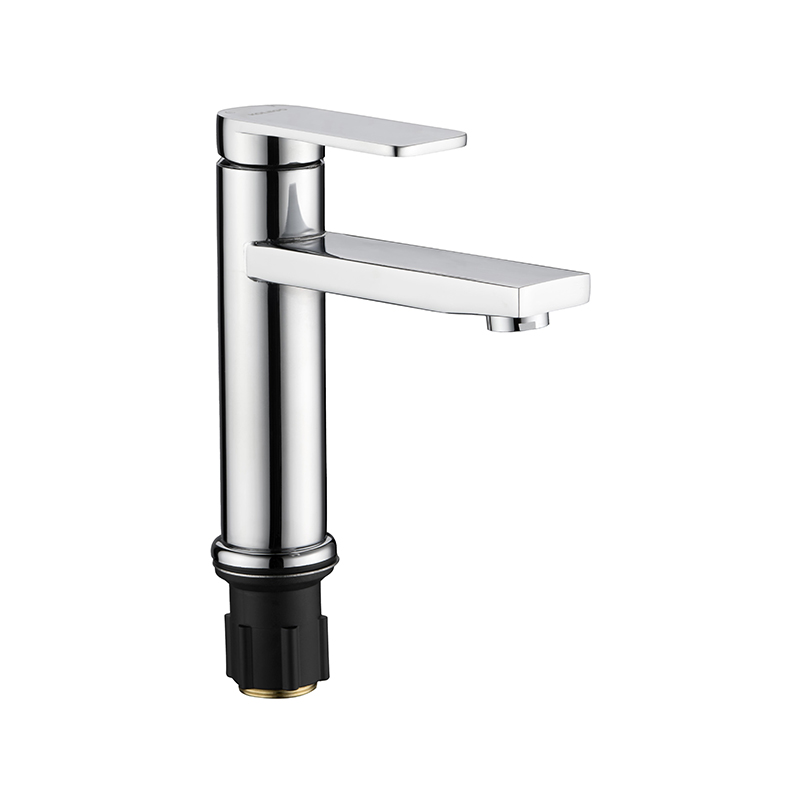
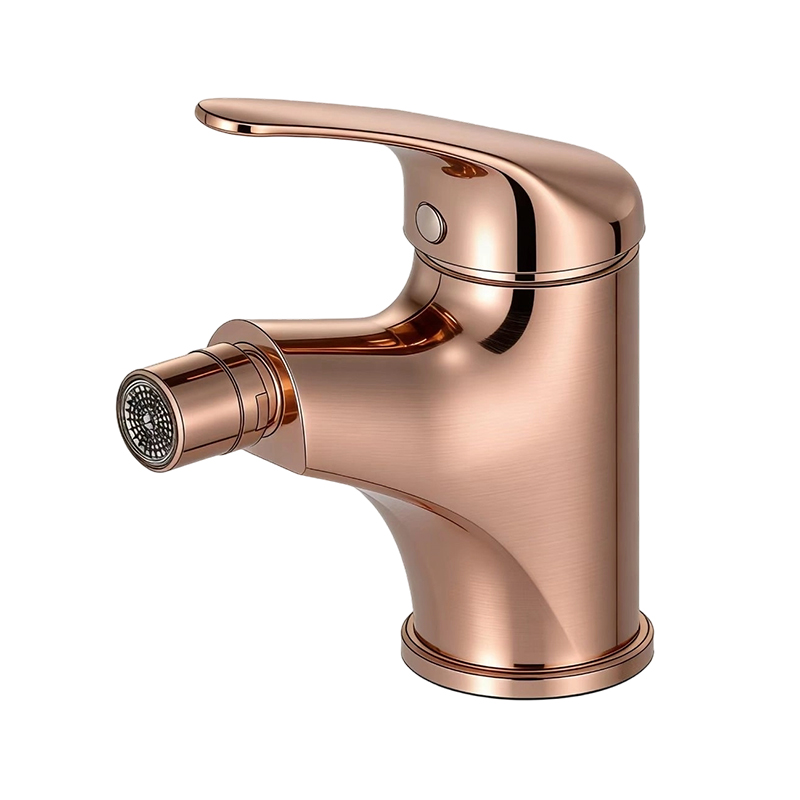
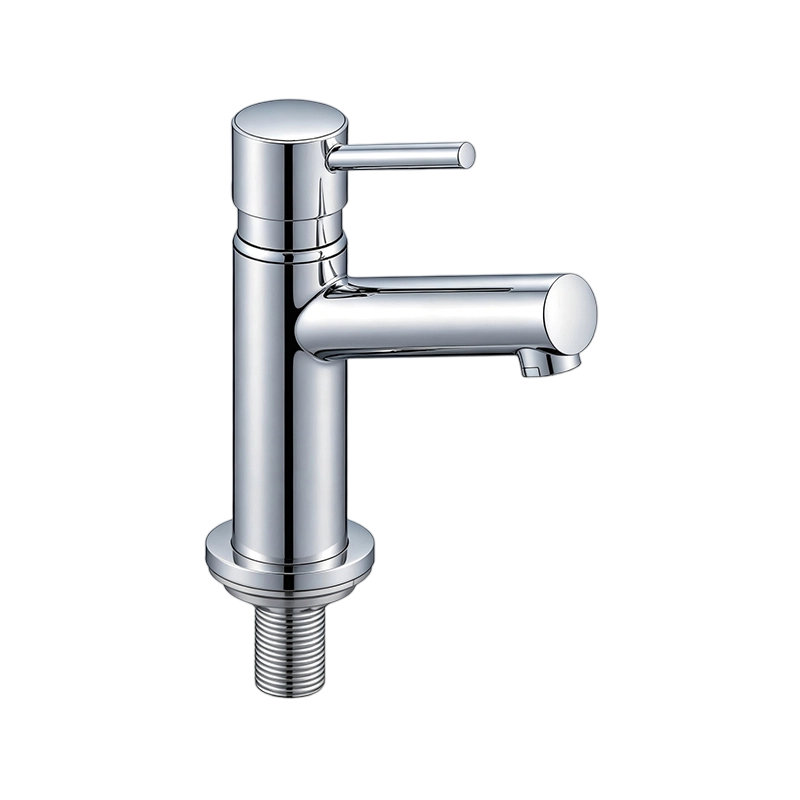
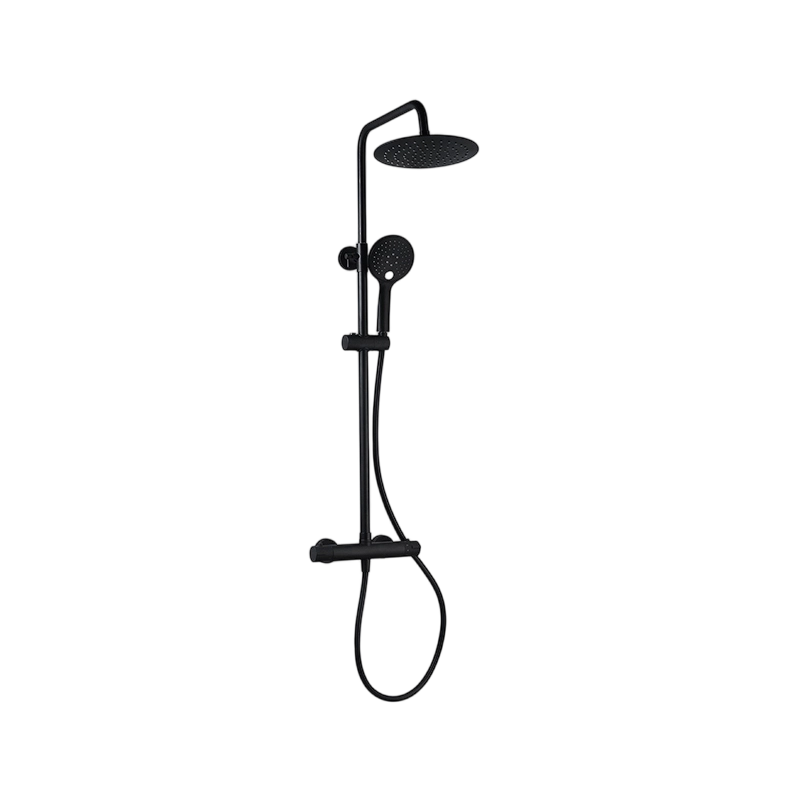
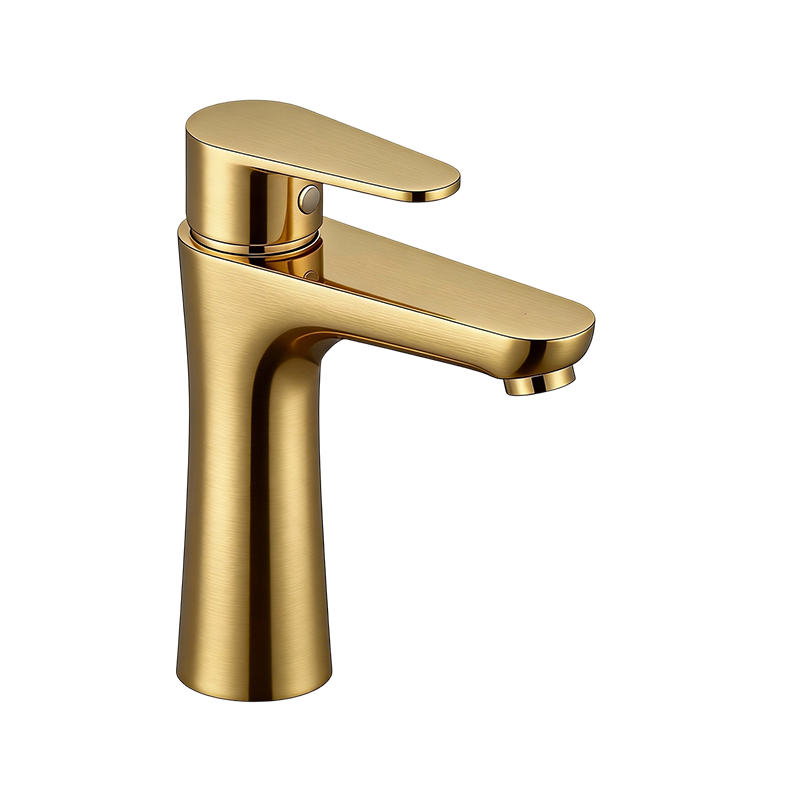
A wall-mounted kitchen faucet with wall flange is a standard wall-mounted faucet that includes a cover plate installed over the wall connection point. The flange sits against the wall surface and covers pipe outlets, drilled holes, and minor installation imperfections. It creates a continuous finished look around the faucet base without exposing the internal wall opening.
Why the Wall Flange Actually Matters
Wall drilling rarely produces perfect alignment. Pipe positions can shift slightly during rough-in, and wall finishes may not always match the original layout plan. Without a cover plate, even small deviations become visible once the faucet is installed.
The wall-mounted kitchen faucet with wall flange solves this by covering the entire connection zone. It hides off-center drilling, uneven tile cuts, and exposed pipe entries. The result is a cleaner installation without requiring perfect accuracy during construction.
This tolerance for installation variation is one of the main reasons the wall flange is widely used. Installers do not need to spend additional time correcting wall openings, and small installation errors do not require rework. The final appearance remains consistent across different job sites.
Where This Product Fits
Renovation projects are a common use case. Older buildings often have existing pipe positions that cannot be adjusted easily. In these cases, the wall flange allows the faucet to be installed without modifying or repairing the surrounding wall surface.
Commercial kitchen installations also use this structure, especially in projects with multiple sink stations. When dozens of units are installed in sequence, small inconsistencies in drilling or wall finishing are expected. A wall-mounted kitchen faucet with wall flange reduces visible variation between units.
In retail and DIY markets, particularly across Europe and North America, this type of faucet is often selected for ease of installation. Homeowners can complete installation without needing precise wall finishing work. This reduces dependency on professional alignment and makes the product more accessible for end users.
For distributors and OEM buyers, including a wall flange as part of the standard configuration helps maintain a consistent product appearance across different installation environments. It also reduces after-sales issues related to visible wall gaps or uneven mounting surfaces.
Maintenance Considerations
Some wall flange designs are removable. This allows access to wall connections without damaging tiles or wall finishes. In long-term installations, this becomes relevant when maintenance or pipe replacement is required.
A removable flange structure reduces the need for wall repair work during servicing. This is particularly useful in hotel projects, rental apartments, and commercial kitchens where downtime and repair costs need to be minimized.
Product Positioning
A wall-mounted kitchen faucet with wall flange is not a decorative upgrade. It is a practical installation component that helps bridge the gap between construction tolerance and finished appearance. It is often selected not because it changes faucet performance, but because it stabilizes installation outcomes across different job conditions.
FAQ
Q1: What does the wall flange do on a wall-mounted kitchen faucet?
It covers the wall opening and pipe connection area, hiding installation marks and minor alignment issues. It helps create a clean finished look even when drilling is not perfectly aligned.
Q2: Is the wall flange included with the faucet?
It depends on the product specification. Some configurations include it as standard, while others offer it as an optional component. This should be confirmed before ordering.
Q3: Can the wall flange size be customized?
Yes. Sizes can be adjusted within a production range depending on wall opening and installation requirements. Confirmation is needed before sampling.
Q4: Is the wall flange removable for maintenance?
Some models support removable or semi-detachable designs. This allows access to wall connections without removing tiles or damaging the wall surface.



 English
 Español
 عربى
عربى