

 English
 Español
 عربى
عربىWe offer a comprehensive range of basin faucets, with designs spanning modern, classic, and transitional styles, meeting the diverse needs of different markets and projects. The wide selection of styl...
See Details
 Email: [email protected]
A water faucet is background infrastructure until it is not. It runs through every kitchen, every bathroom, every utility space without drawing any particular attention — just doing the job of delivering water on demand, day after day. The moment a renovation starts or a fixture fails, that invisibility disappears. What was just part of the wall or the counter becomes something worth choosing carefully, which is when people start paying attention to what actually separates one faucet from another.
Water faucets generally include a spout for directing water, one or more handles for control, and a base that connects to plumbing. The spout channels the stream into sinks or basins, with varying heights and arcs to match different setups. Handles link to internal valves that regulate volume and temperature through simple movements.
Aerators at the spout tip mix air into the water, producing an even flow in many models. Valves inside the faucet body manage the mixing process, with cartridges or stems handling the mechanical action. This arrangement allows consistent operation across repeated daily uses in standard environments.
Water faucets come in several configurations to suit different mounting and control preferences. Single-handle designs combine flow and temperature adjustment in one lever for straightforward use. Two-handle versions separate the controls, offering independent management of hot and cold supplies.
Widespread and centerset layouts differ in the spacing between spout and handles, aligning with sink hole patterns. Pull-out and pull-down styles extend the reach through flexible hoses in some kitchen-focused units. Wall-mounted options attach directly to vertical surfaces, freeing counter space in tighter arrangements.
Manufacturers rely on metals and composites for water faucets to ensure structural stability. Brass remains common for the main body due to its forming qualities and compatibility with water systems. Zinc alloys and stainless steel appear in other parts for strength and surface characteristics.
Exterior finishes such as chrome plating, brushed nickel, or powder coatings protect the base material and influence appearance. Internal components often use ceramic discs or polymer seals that support smooth valve movement. These material choices affect the fixture's weight, sound during operation, and interaction with water over extended periods.
Designs for water faucets range from simple straight profiles to more contoured forms with curved spouts. Handle styles include levers, knobs, and cross shapes, each providing different grip options during adjustment. Some incorporate sensor technology that detects motion to start and stop flow without direct contact.
Spout heights and lengths vary to coordinate with basin sizes and user postures. Finish textures span glossy, matte, and textured surfaces to match surrounding elements. These variations allow water faucets to fit into diverse room layouts, from compact apartments to larger shared facilities.
Water faucets integrate with sinks, counters, and surrounding fixtures through standard connections. Deck-mounted models secure through pre-drilled holes, while freestanding versions pair with vessel sinks that require additional clearance. Coordination with other hardware, such as drains or soap dispensers, contributes to unified appearances in the area.
Positioning supports access for different users, with handle placement that accommodates standing or seated approaches in accessible designs. Flow direction and stream patterns receive attention during selection to match basin dimensions. In commercial or multi-user settings, these fixtures align with high-frequency use patterns and spatial flow.
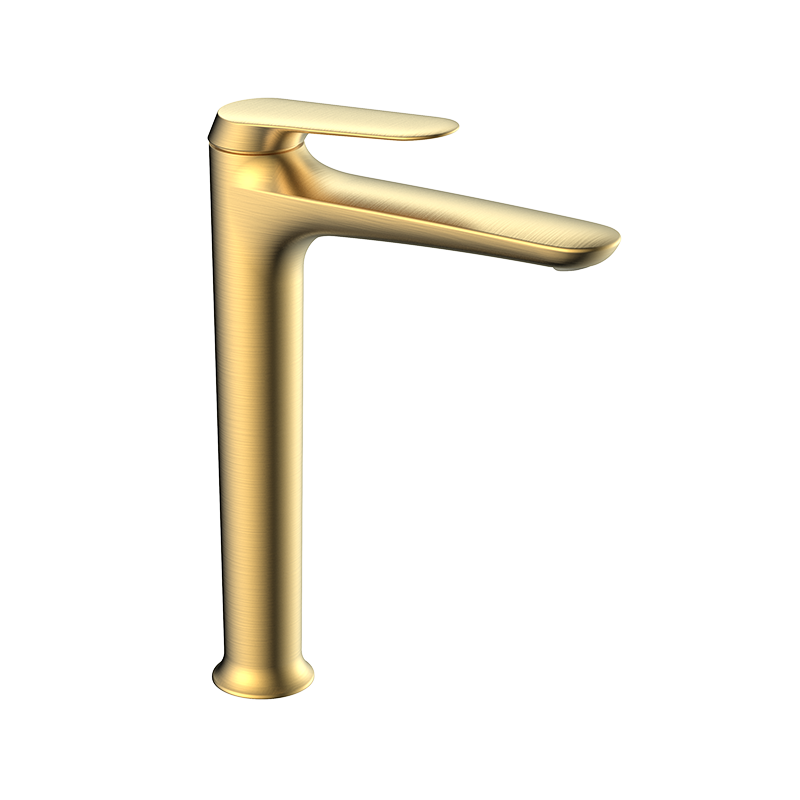
We offer a comprehensive range of basin faucets, with designs spanning modern, classic, and transitional styles, meeting the diverse needs of different markets and projects. The wide selection of styl...
See Details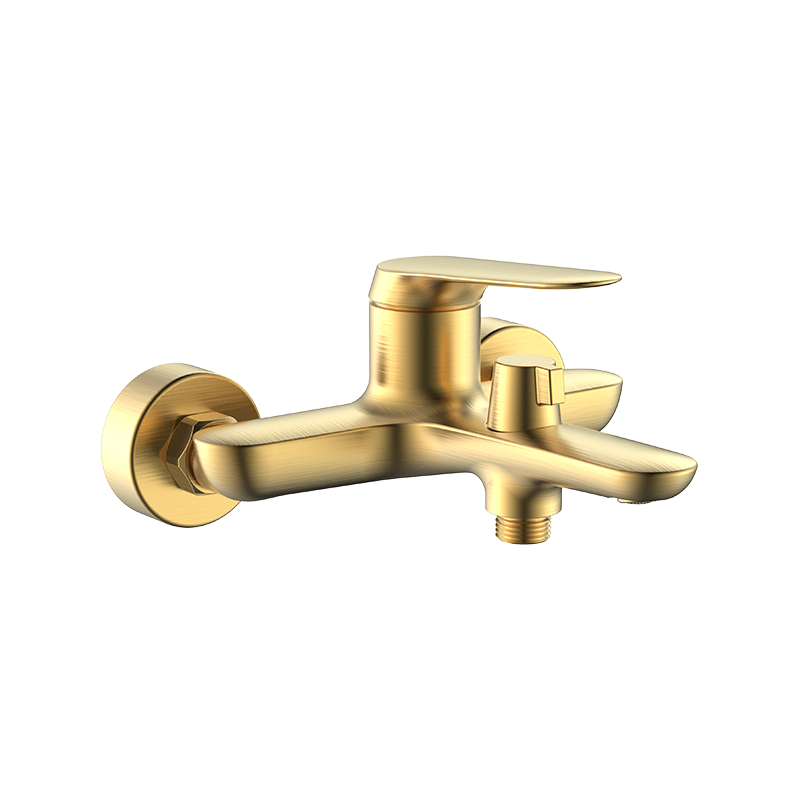
Our bathtub faucet series focuses on balancing aesthetic design and practical functionality, offering a variety of styles and configurations to suit different bathroom spaces. The products maintain de...
See Details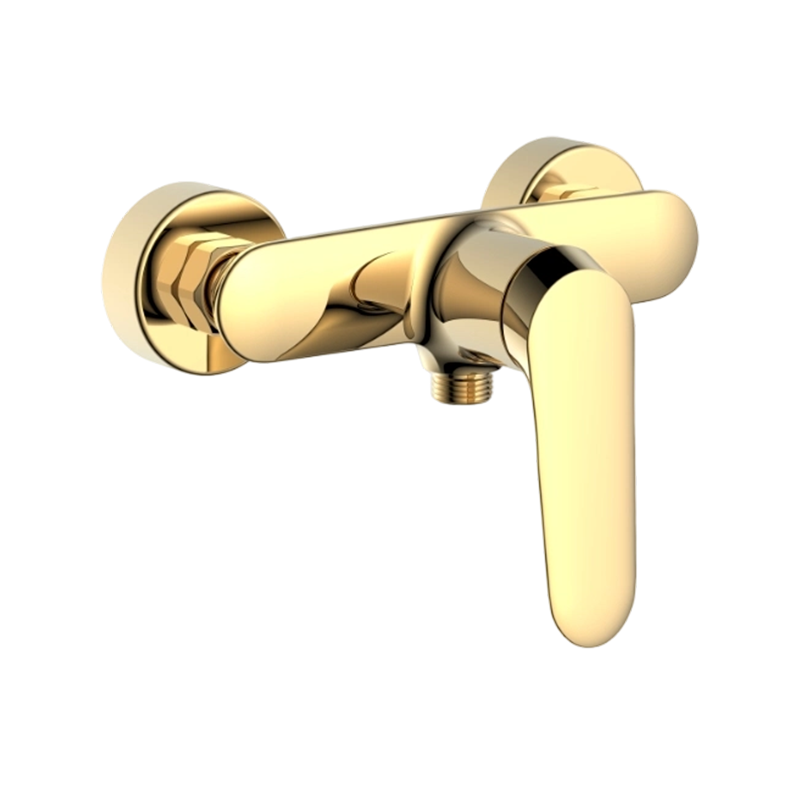
Our shower faucets and shower systems are designed with the user experience at their core, emphasizing a combination of comfort, functionality, and reliability to provide stable and high-quality solut...
See Details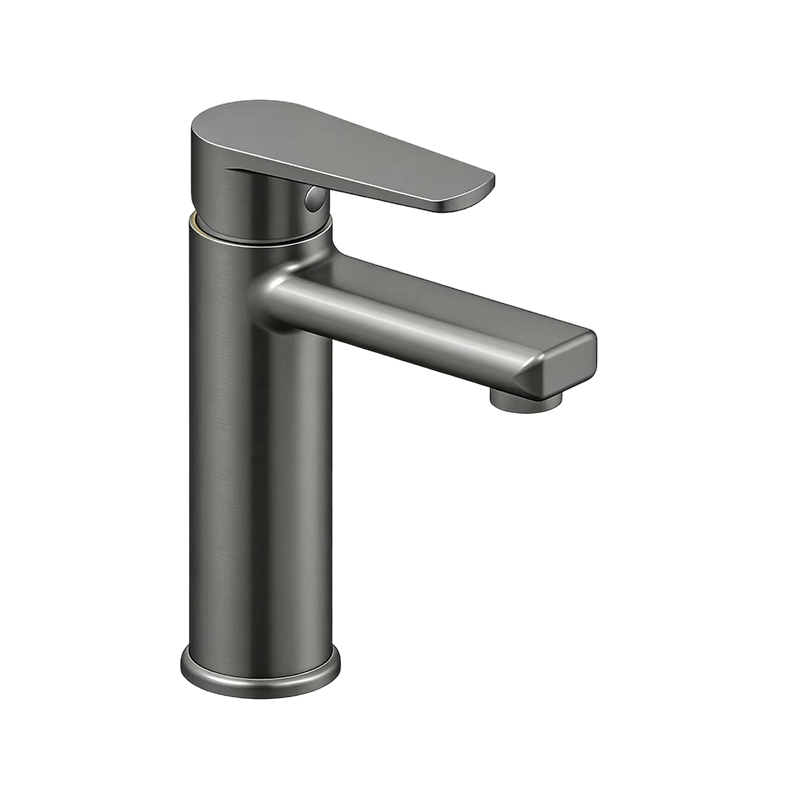
The TONGQC35SS is a premium single-handle faucet crafted from 304 stainless steel, delivering exceptional durability and corrosion resistance. Its streamlined lever design enables precise, one-handed ...
See Details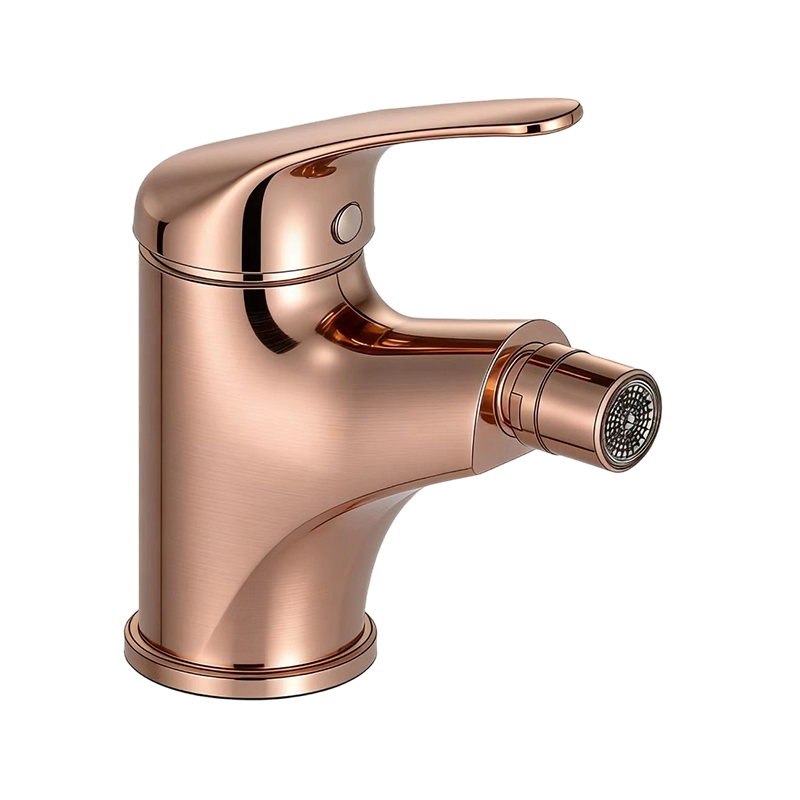
The DIWANGH40SS bidet faucet blends sophisticated design with robust engineering for bathroom toilets. Constructed from high-grade stainless steel, it offers outstanding resistance to rust, tarnish, a...
See Details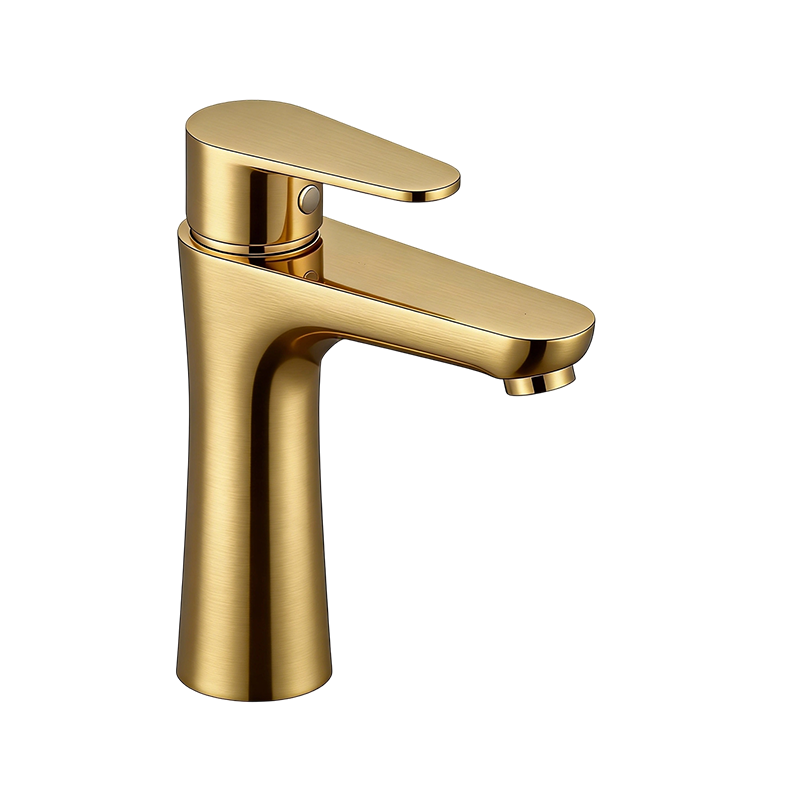
Designed for the demands of the modern bathroom, the XIAOMY35SS basin faucet draws design inspiration from the iconic Canton Tower (Guangzhou Tower), embodying its signature twisted hyperboloid silhou...
See Details

