

 English
 Español
 عربى
عربىFaucet installed on a washbasin that supplies both cold and hot water, mixing them to produce warm water. Unlike ordinary single-cold-water faucets, this welded hot and cold washbasin faucet has two i...
See Details
 Email: [email protected]
Few fixtures in a bathroom get touched as often as the faucet. It handles the first task of the morning and the last one before bed, and everything in between. That kind of daily workload means the choice of faucet matters beyond aesthetics — it needs to perform reliably and look the part while doing it. In both homes and commercial wash areas, faucets come up regularly when spaces are being refreshed, not just because they are functional necessities but because they are visible enough to shape how a room feels overall.
Bathroom faucets typically consist of a spout, handle or handles, and a base or mounting component. The spout directs water into the sink basin, with lengths and heights varying to suit different sink styles. Handles control the volume and temperature through lever or knob mechanisms that connect to internal valves.
That small screen on the spout end is worth paying attention to. It pulls air into the water as it flows out, which smooths the stream and keeps the counter from getting soaked every time someone washes their hands. The rest of the faucet mounts wherever the sink or counter was set up to accept it — deck, wall, single hole, three holes. Hook up the supply lines and that is genuinely about it.
Bathroom faucets appear in several categories based on handle arrangements and mounting methods. Single-handle models combine temperature and flow control in one lever, simplifying adjustments with one hand. Dual-handle versions separate hot and cold controls for precise mixing.
Widespread faucets position the spout and handles across a wider span on the deck, while centerset options group components closer together. Wall-mounted types free up sink space by attaching directly to vertical surfaces. These categories allow alignment with various sink dimensions and user preferences in different bathroom layouts.
Producers select metals and finishes for bathroom faucets to support structural needs and surface qualities. Brass bodies provide a base for many units due to their shaping properties and corrosion resistance in typical conditions. Zinc alloys appear in other constructions for lighter weight assemblies.
Finishes such as chrome, brushed nickel, or matte black cover the exterior surfaces. These layers contribute to appearance and general surface performance. Ceramic components often form the internal cartridges or discs that regulate water passages. The combination of materials influences the fixture's weight and interaction with water flow over time.
Design approaches for bathroom faucets range from streamlined modern profiles to softer transitional forms. Spout styles include straight, curved, or gooseneck shapes that affect how water enters the basin. Some incorporate pull-out or pull-down sprays for added reach in certain setups.
Handle shapes vary from long levers to round knobs or cross designs, offering different grip experiences. Touchless sensors appear in select electronic models, activating flow through proximity detection. Height and reach dimensions differ to coordinate with sink depths and user postures during daily activities.
Bathroom faucets fit into broader sink and counter arrangements through standard mounting holes. Deck-mounted versions align with pre-drilled patterns on many sinks, while freestanding or vessel sink pairings may require taller spouts for clearance. Coordination with other hardware like shower components or towel bars contributes to visual consistency in the room.
The placement supports accessibility for various users, with handle positions that allow operation from standing or seated positions in some configurations. Flow patterns and noise levels during use receive attention in general fixture comparisons. These elements help bathroom faucets function as steady components within everyday environments.
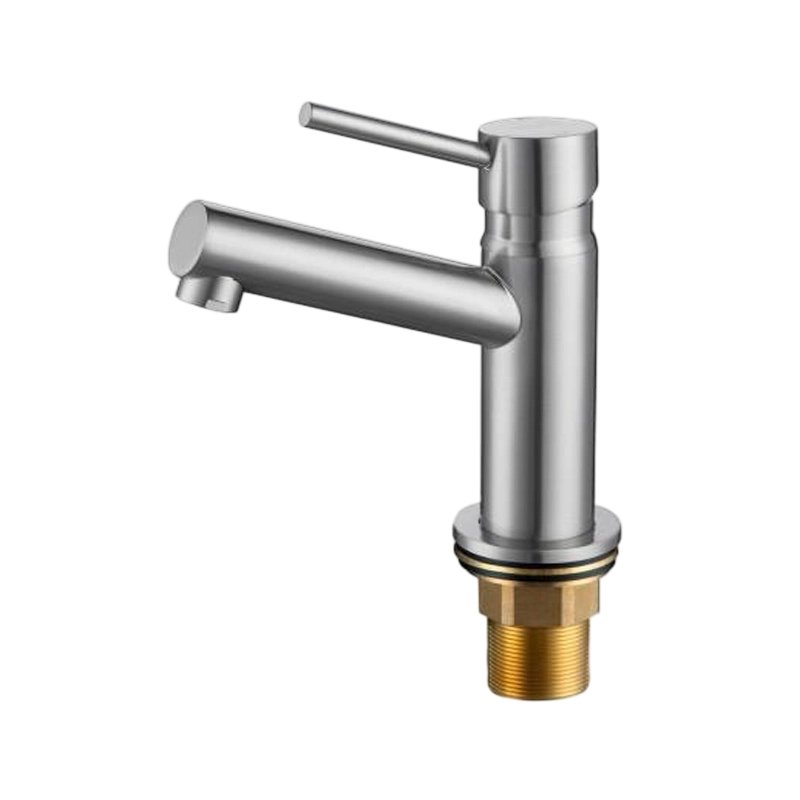
Faucet installed on a washbasin that supplies both cold and hot water, mixing them to produce warm water. Unlike ordinary single-cold-water faucets, this welded hot and cold washbasin faucet has two i...
See Details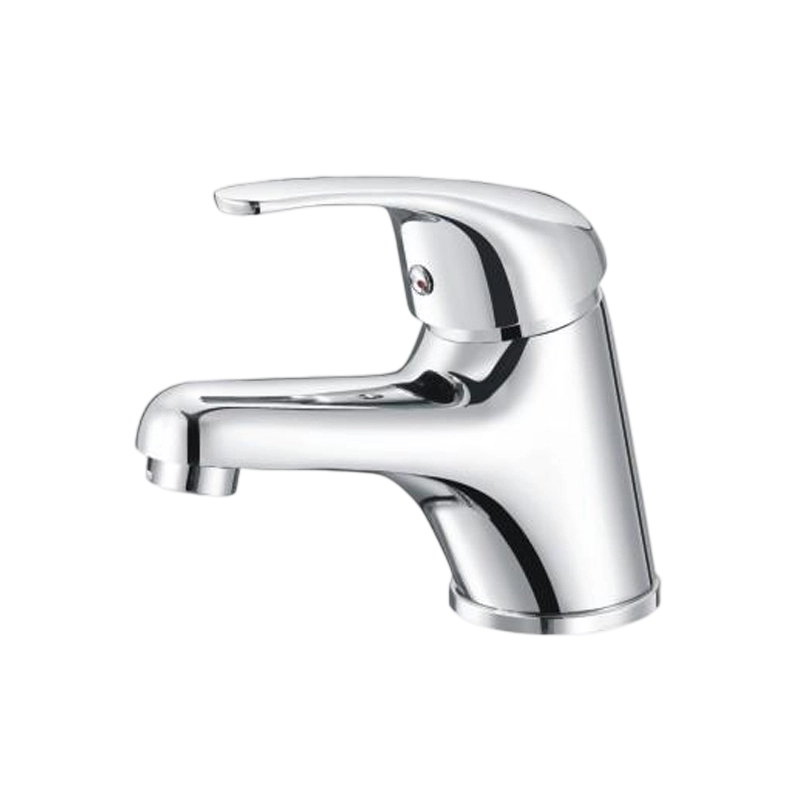
A vanity faucet with a streamlined, curved design. The valve body is small and compact, avoiding a bulky appearance on the countertop. The surface has a bright chrome finish — a shimmering, mirror-lik...
See Details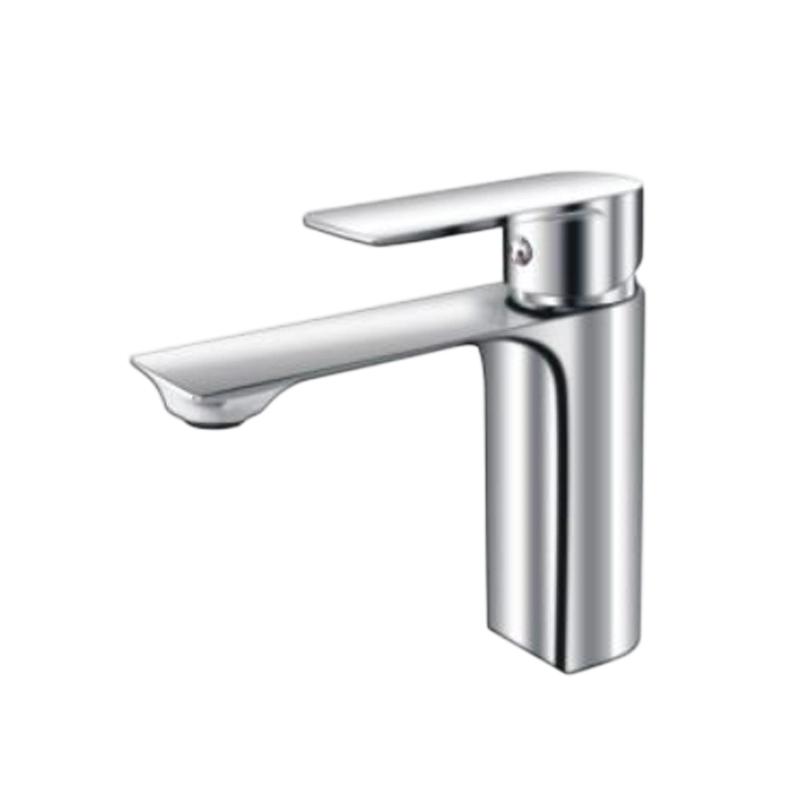
This is a basin faucet with a significantly taller body than standard models. It's made entirely of brass with a chrome-plated finish. The chrome plating gives this brass chrome-plated high-mounted wa...
See Details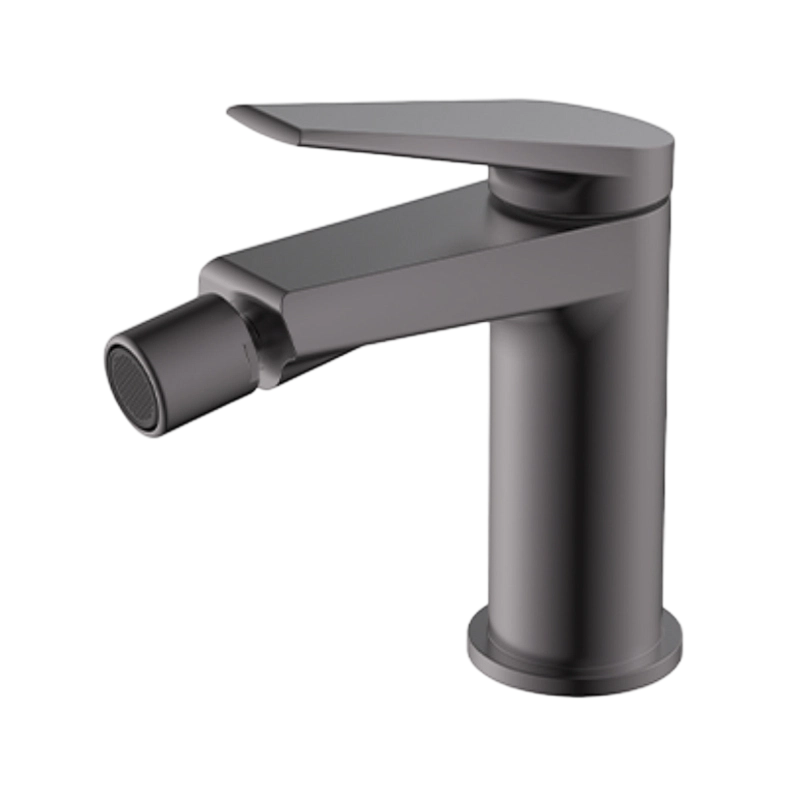
This is a faucet specifically designed for installation on bidets, with a spout that can rotate left and right. A bidet is a small basin in the bathroom used solely for cleaning the private parts; it ...
See Details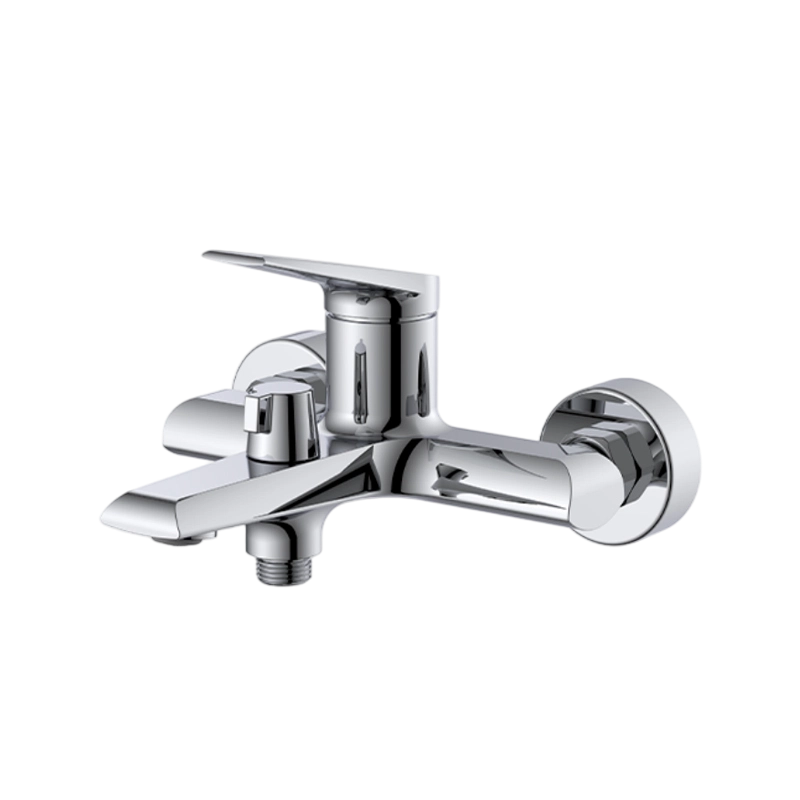
This Wall-mounted bathtub mixer faucet is designed for installation on the bathroom wall to deliver a blend of hot and cold water to the tub. Featuring a minimalist structure, it mounts directly to th...
See Details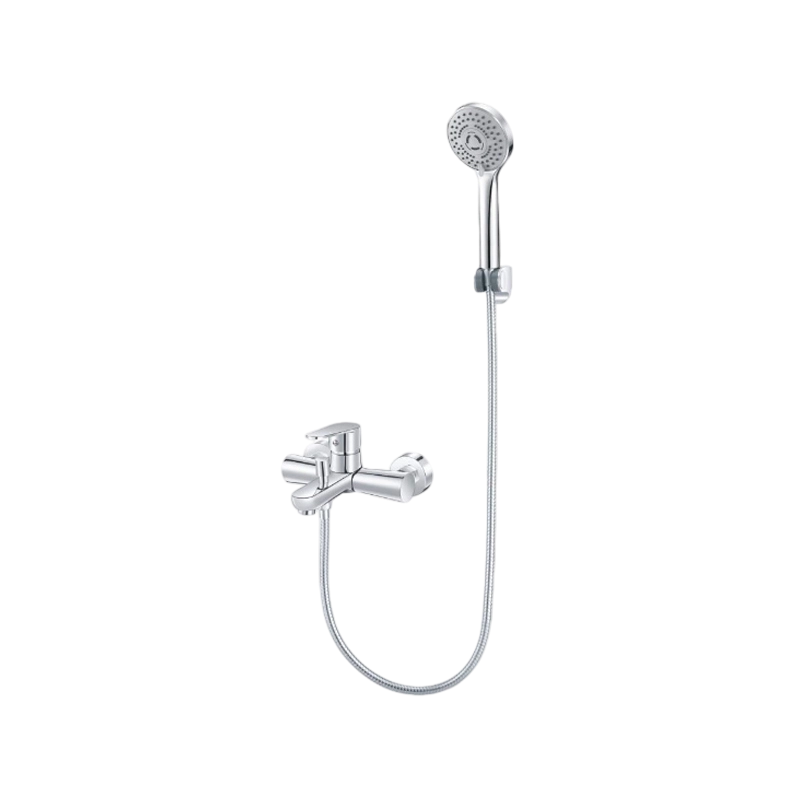
It features a handheld showerhead with a flexible hose, allowing you to wash your hair, bathe a pet, or clean the tub itself without bending over or struggling with separate fixtures. This is exactly ...
See Details

