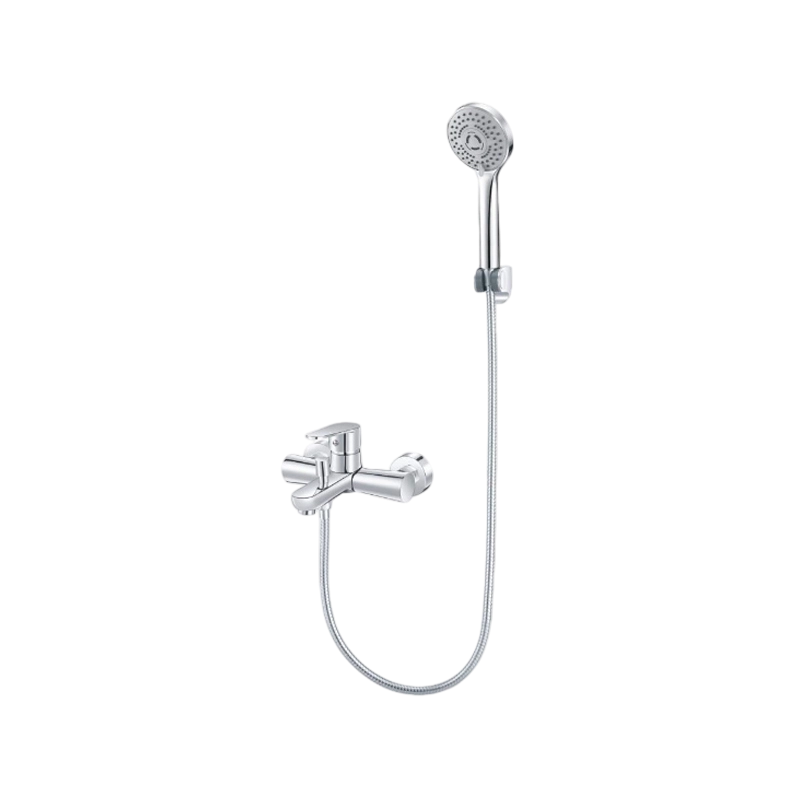
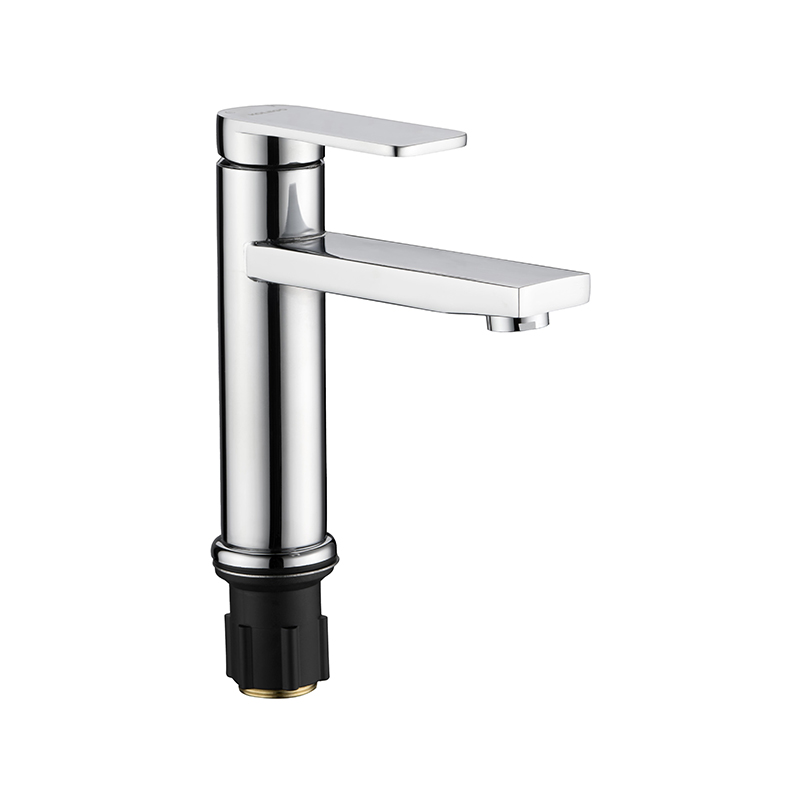
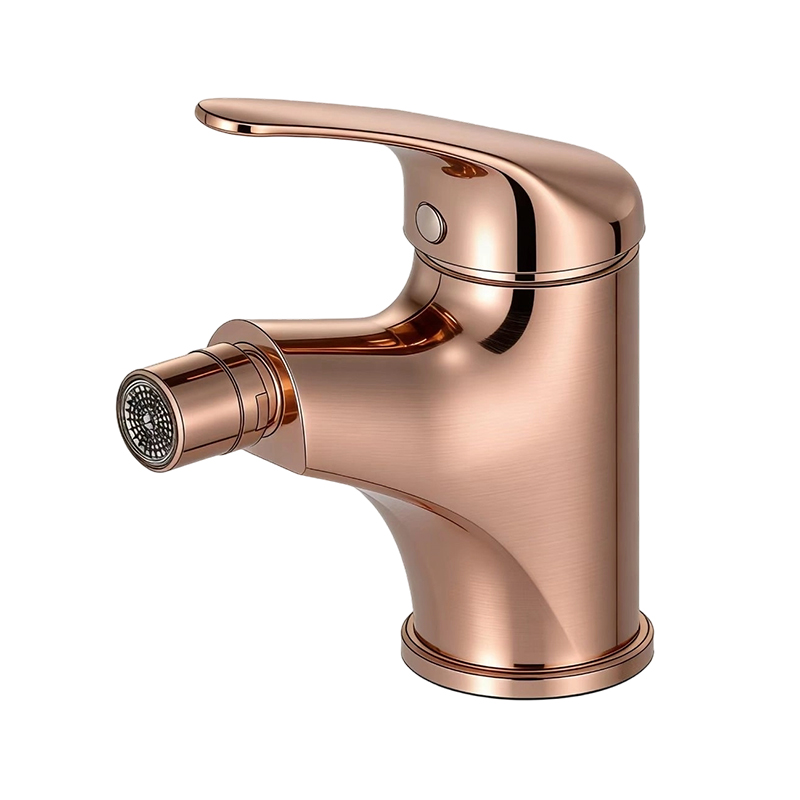
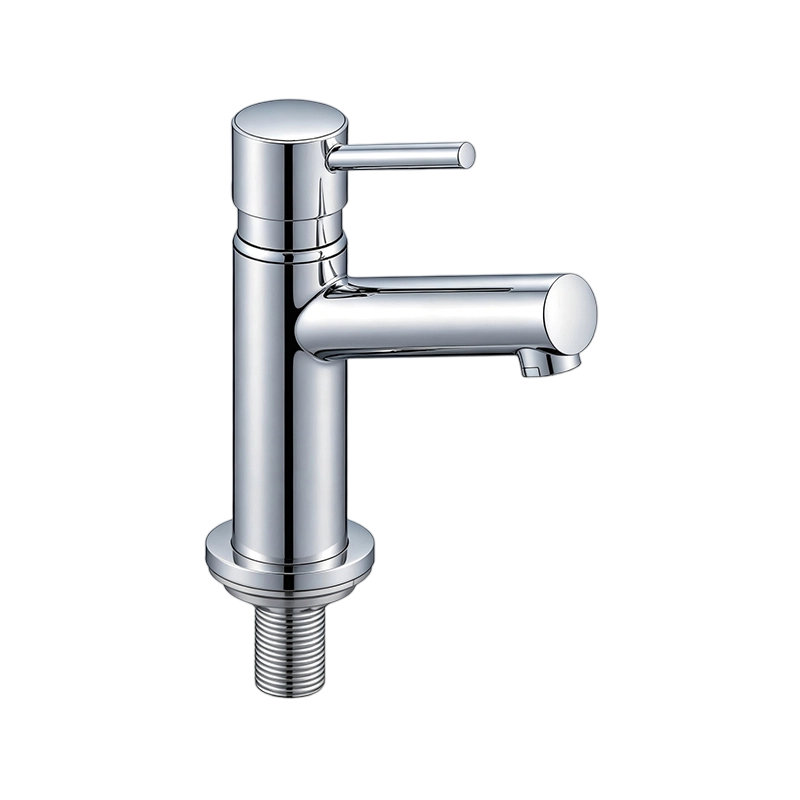
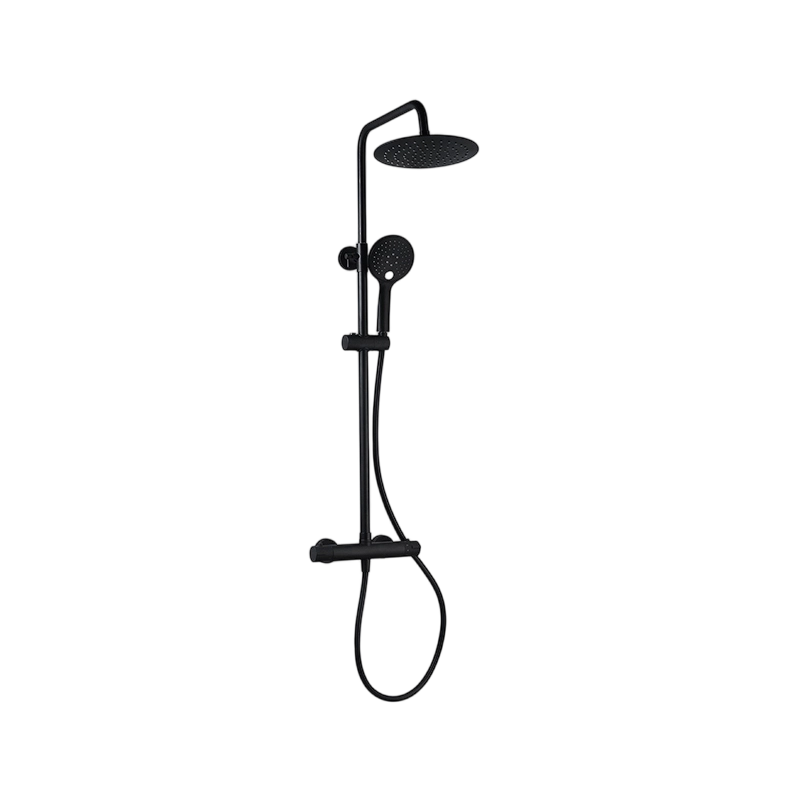
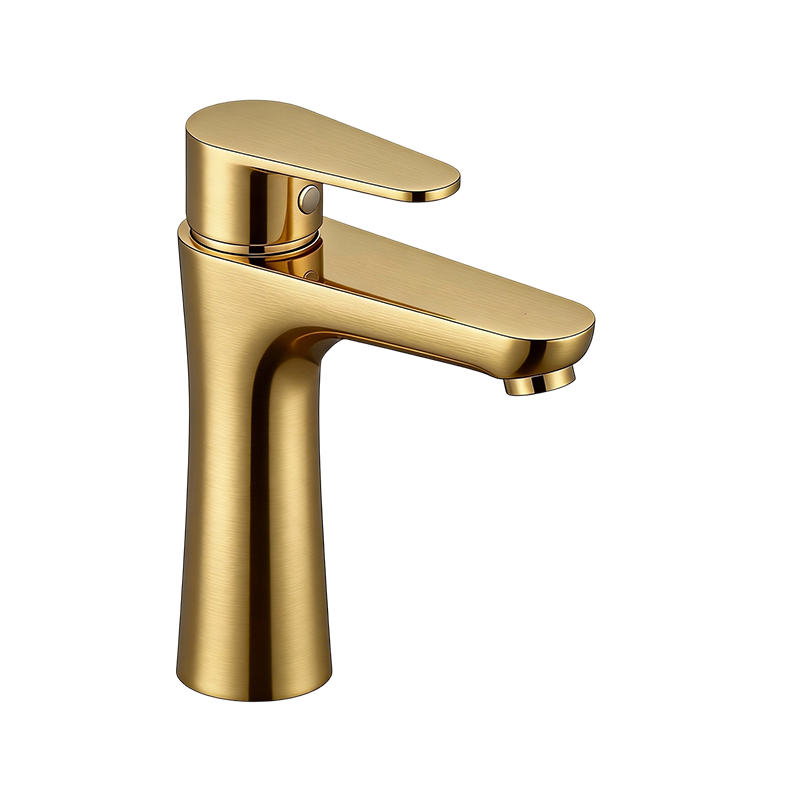
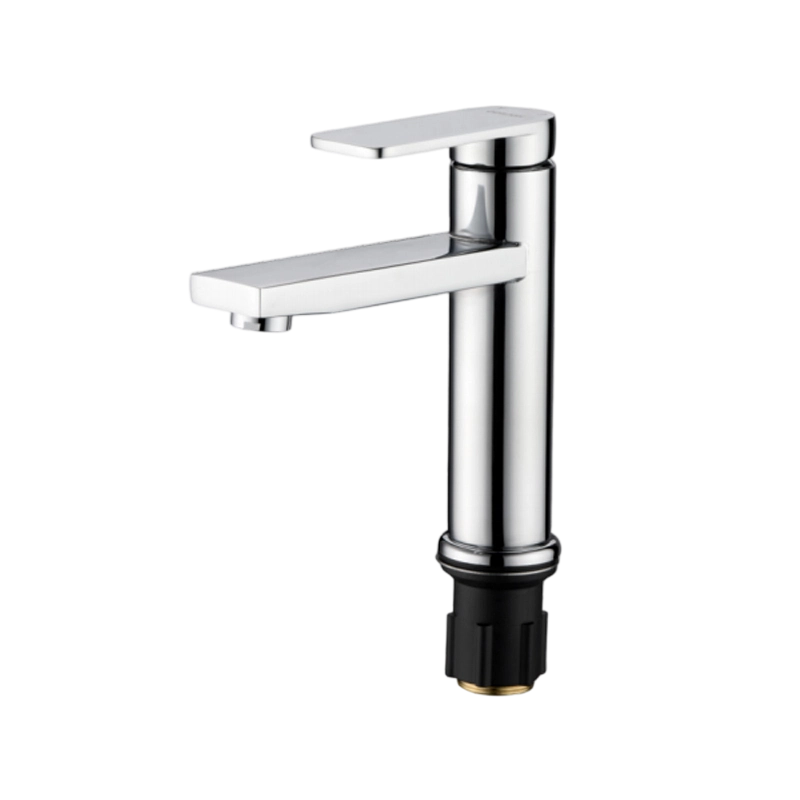
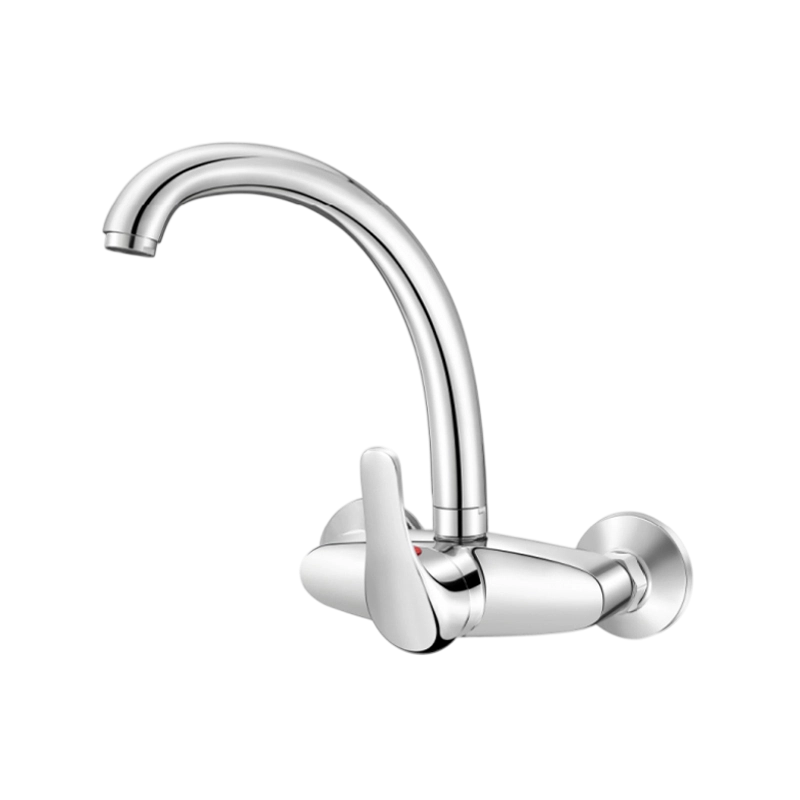
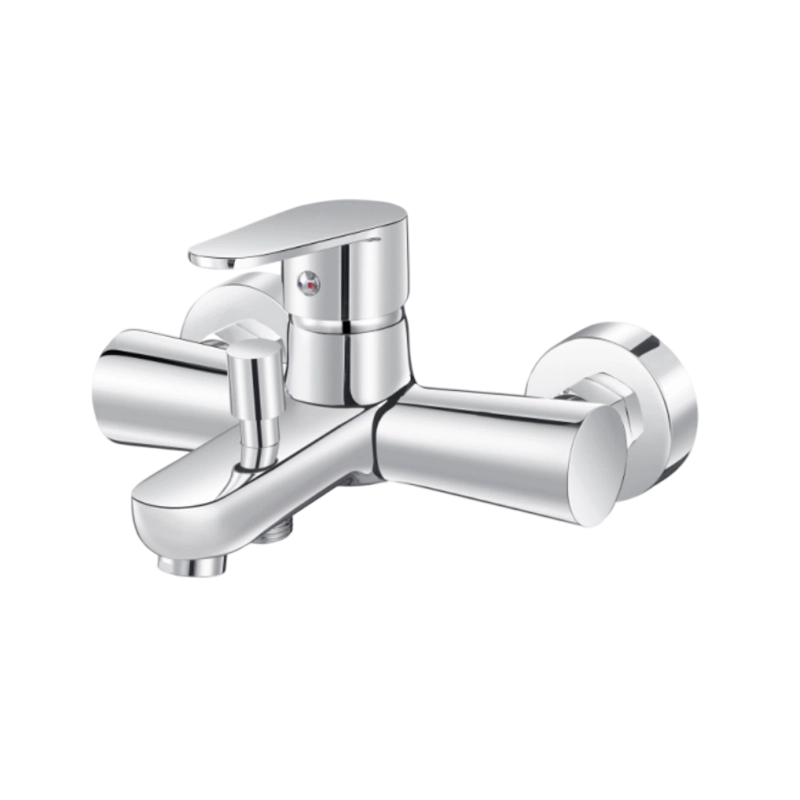
It features a handheld showerhead with a flexible hose, allowing you to wash your hair, bathe a pet, or clean the tub itself without bending over or struggling with separate fixtures. This is exactly what this durable, hose-equipped faucet offers. Available in deck-mounted or wall-mounted configurations, it includes a built-in diverter to switch the water flow between the main spout and the detachable handheld showerhead. The faucet body is cast from solid brass, while the spout and showerhead are typically made of stainless steel for enhanced corrosion resistance.
Where is it best used?
Hotel and resort bathrooms: In guest bathrooms featuring a tub-shower combination, this faucet eliminates the need for a separate wall-mounted shower system. Guests can fill the tub for a soak or use the handheld showerhead for a quick rinse.
Hospital and healthcare facility rooms: Patient bathrooms in hospitals and rehabilitation centers require fixtures that accommodate individuals with limited mobility. The handheld showerhead allows patients to direct water to specific areas while seated or with the assistance of a caregiver.
Fitness centers and sports facilities: Gyms with locker room tubs or spa areas often utilize these faucets, allowing users to soak and rinse off after a workout. Athletes can use the handheld showerhead to target sore muscles with warm water or rinse away sweat before entering the tub.
Multi-family Housing and Student Dormitories: Property managers of apartment complexes and university dorms favor these units because they integrate two functions into a single installation point, thereby reducing plumbing complexity and the number of maintenance points.
Introduction to Key Features
Dual-Function Water Outlet: An integrated diverter is the signature feature. In the default position, water flows through the tub spout to fill the bathtub. Once the diverter is activated (via a pull-rod, lift handle, or rotary knob), the water flow is completely redirected to the hand shower hose. This design avoids splitting the flow, ensuring ample water pressure regardless of which outlet is in use. This is crucial, as weak hand shower flow can frustrate users and prolong rinsing times.
Flexible Hand Shower Hose: The hand shower connects to a hose featuring a stainless steel braided outer layer and an inner tube made of EPDM (Ethylene Propylene Diene Monomer) or PVC. Its length allows users to reach every corner of a standard bathtub or direct the spray at specific body parts while seated. Rated for standard commercial water pressure, the hose is resistant to kinking and bursting. When not in use, the hand shower can be placed in a wall bracket or on a slide bar, ensuring easy access while preventing damage from drops.
Durable Construction for Commercial Use: A solid brass valve body provides the structural strength required for high-frequency use. The brass is resistant to dezincification—a form of corrosion that weakens metal over time in aggressive water conditions. Stainless steel spout and showerhead components resist staining and pitting caused by hard water minerals. A multi-layer plating process—comprising a copper base layer, a nickel barrier layer, and a chrome or PVD finish—provides effective protection against humid bathroom environments and cleaning chemicals.
FAQ
How does the diverter work?
The diverter is a valve built into the tub spout or faucet body that redirects the flow of water. In standard designs where the diverter is integrated into the tub spout, pulling up a small knob on the spout closes the tub outlet and redirects the water flow to the hand shower hose; releasing the knob allows water to flow from the tub spout again. In designs where the diverter is integrated into the main faucet body, it is operated by a separate lever or knob. This mechanism uses a ceramic or brass cartridge to tightly seal the unused outlet, preventing leaks and pressure loss.
What is the difference between a bathtub faucet with a hand shower and a full shower system?
A Heavy-duty durable bathtub faucet with flexible showerhead is primarily designed to fill the tub, with the hand shower serving as a secondary feature. To conserve water, the flow rate of the hand shower is typically limited to 1.8 to 2.5 gallons per minute (GPM). A full shower system includes an overhead showerhead (often featuring multiple spray patterns) and is designed for standing showers. In a tub-shower combination setup, the tub faucet with a hand shower caters to users who prefer soaking or need to rinse while seated, while the separate overhead showerhead serves those who prefer standing showers.
Are all finishes equally suitable for commercial environments?
For high-traffic commercial environments, Chrome is the most durable choice. It is a hard, electroplated metal finish that is scratch-resistant and withstands frequent cleaning with standard disinfectants. Matte Black and Gun Metal finishes are typically applied using PVD (Physical Vapor Deposition) or powder coating processes. PVD finishes are highly durable, with hardness comparable to Chrome, whereas powder-coated finishes are slightly more prone to chipping if struck by sharp objects. Gold and Rose Gold finishes are usually applied via PVD or electroplating and require gentler cleaning methods to maintain their appearance.



 English
 Español
 عربى
عربى