

 English
 Español
 عربى
عربىA wall-mounted kitchen faucet with wall flange is a standard wall-mounted faucet that includes a cover plate installed over the wall connection point. The flange sits against the wall surface and cove...
See Details
 Email: [email protected]
Brass water faucets have been around long enough that their continued presence in kitchens and bathrooms says something on its own. Plenty of materials have come along promising similar results at lower cost, and some of them have carved out a share of the market. But brass has held its ground, and the reasons are not hard to find once you start looking at how these faucets actually perform over years of daily use rather than just on the day they go in.
Brass is copper and zinc mixed together, and the ratio between the two makes more of a difference than most people shopping for faucets ever stop to consider. Push the copper content higher and the material fights off corrosion better — which matters a great deal for something that never gets a break from water contact. The zinc does something different: it makes the alloy easier to cut, shape, and thread during manufacturing, which is how brass ends up in components that need tight tolerances and clean finishes.
Pick up a brass faucet and the weight is the first thing that registers. It is noticeably heavier than plastic or zinc alloy alternatives, and that density is not just a tactile curiosity — it reflects wall thickness, casting quality, and the kind of material integrity that holds up over time. Handles on a well-made brass faucet turn with a firmness that feels intentional. Connections sit without any looseness. That solidity tends to persist through years of use in a way that lighter materials rarely manage.
A few things consistently come up when buyers are working through their options:
Of all the decisions that go into choosing a brass faucet, finish is the one that changes how the whole room feels. Polished brass catches the light and runs warm — it drops into a traditional or transitional space without needing much help from the rest of the room. Brushed and satin versions tone that down considerably, and they are a lot more forgiving about fingerprints and water marks, which anyone who actually cooks in their kitchen will appreciate. Unlacquered brass is a different proposition entirely — it starts one way and slowly becomes something else, darkening and developing character as the years go by. That appeals to a certain kind of buyer.
Brass water faucets stay relevant because they cover the basics without asking anyone to compromise. The material holds up, the finishes last, and the performance stays consistent in a way that justifies the attention they continue to receive from buyers who take plumbing fixtures seriously.
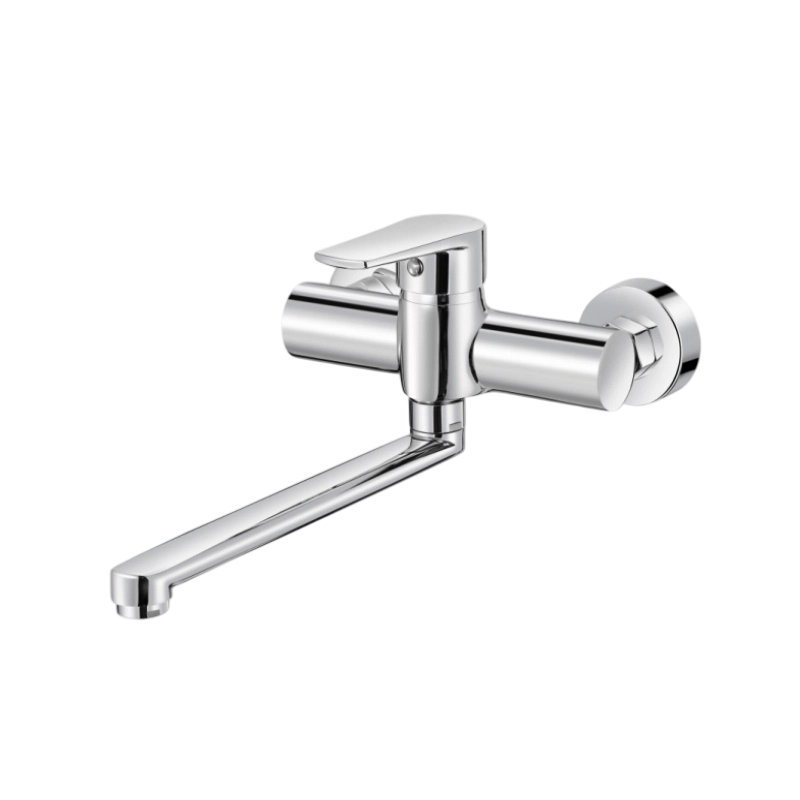
A wall-mounted kitchen faucet with wall flange is a standard wall-mounted faucet that includes a cover plate installed over the wall connection point. The flange sits against the wall surface and cove...
See Details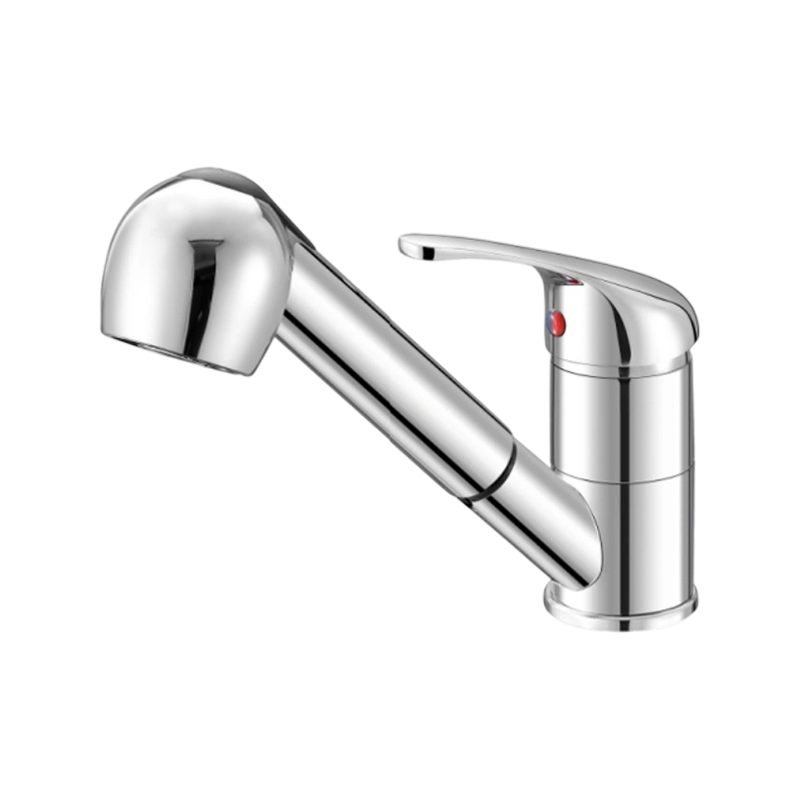
A pull-out kitchen faucet with retractable nozzle has a spray head connected to a flexible hose. The head pulls out from the spout and returns automatically when released. The faucet body rotates 360°...
See Details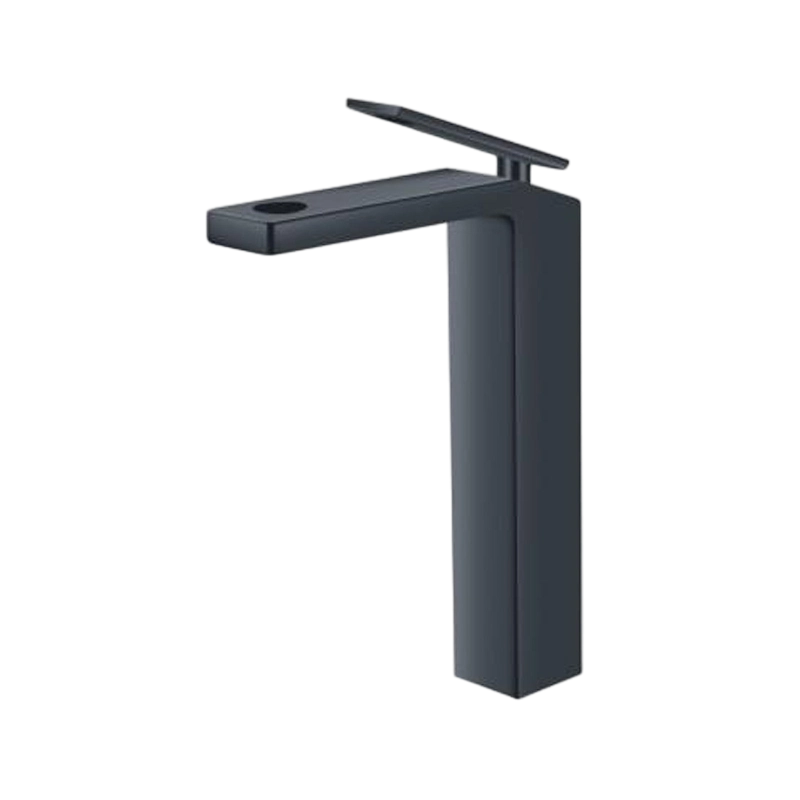
A hot and cold water faucet installed on a bathroom sink. It has a tall, square rectangular shape with an upright valve body and the spout extending from the top, resembling a square pillar. This high...
See Details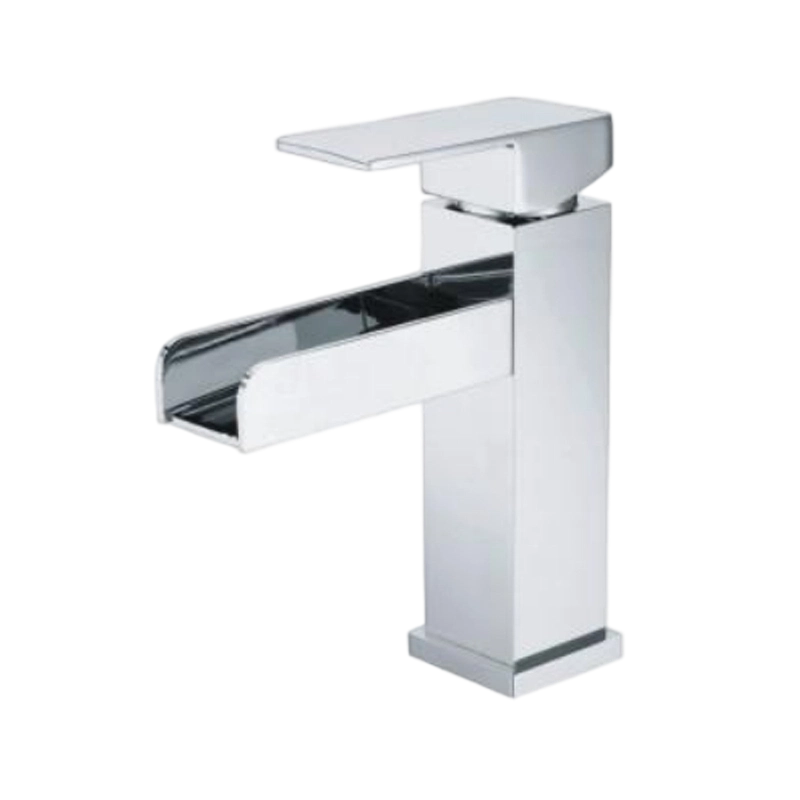
Faucet installed on a bathroom vanity. Its two main features are: first, the water flow — water flows down from a wide, flat square spout, cascading into the basin like a small waterfall, rather than ...
See Details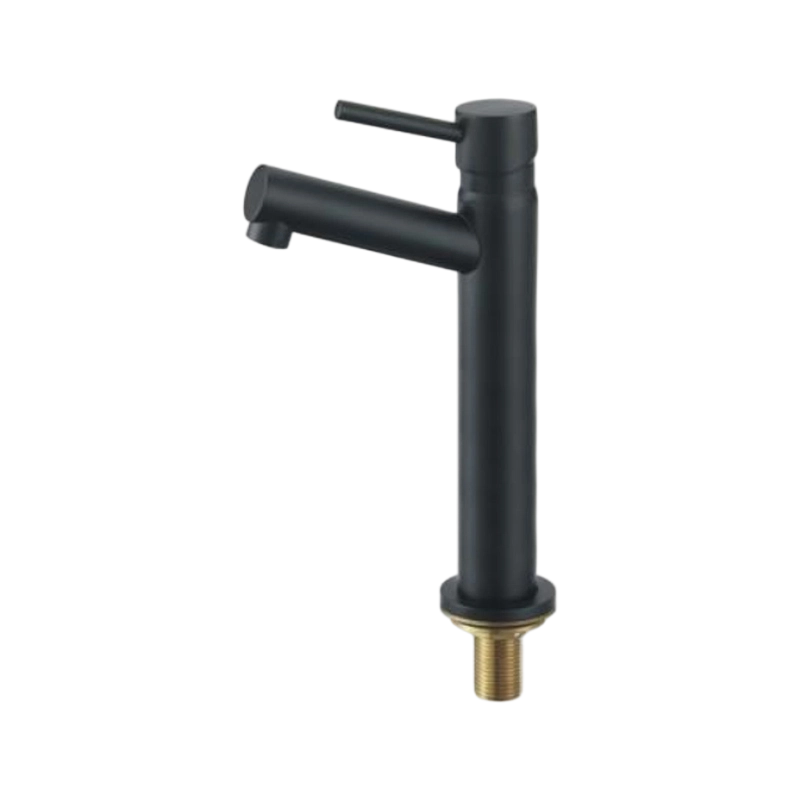
This is a washbasin faucet that only dispenses cold water, has a taller body than the standard model, and uses a welded connection for its internal piping.Cold Water Only: This welded heightened singl...
See Details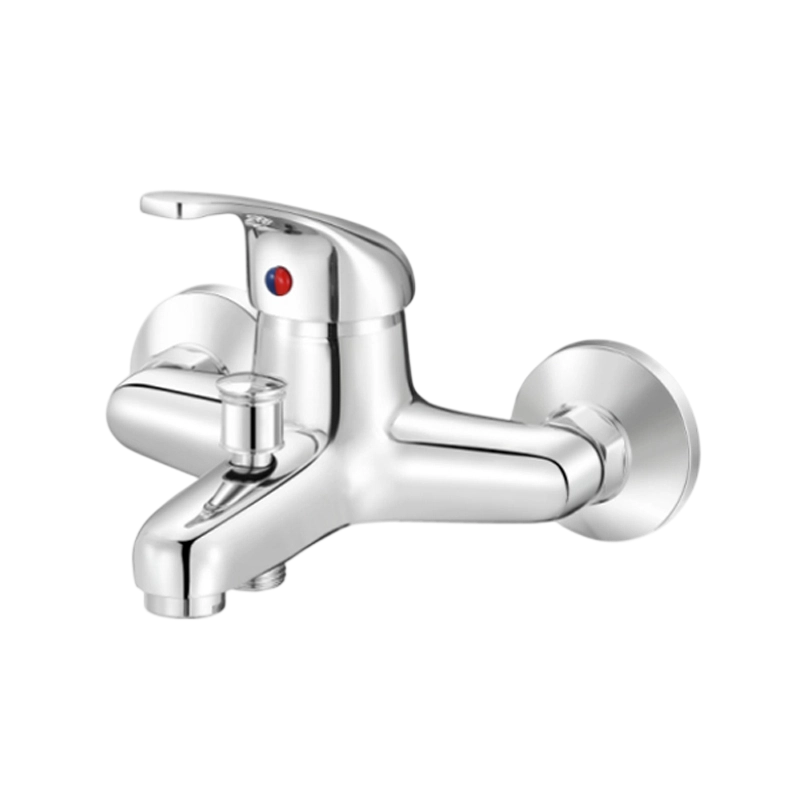
A double-hole wall-mounted bathtub faucet is a type of faucet that is installed directly on the wall above the bathtub, featuring two separate mounting holes: one for the spout and the other for a han...
See Details

