

 English
 Español
 عربى
عربىCountertop high-curve brass basin faucet is built specifically for vessel sinks — basins that sit on top of the counter instead of being mounted underneath. The body sits taller and the spout reaches ...
See Details
 Email: [email protected]
Stainless steel faucets have been picking up market share in both home and commercial plumbing for good reason. The material doesn't corrode the way brass or zinc alloy can, it doesn't leach anything into the water supply, and the finish doesn't slowly deteriorate the way chrome plating does when the base metal underneath starts to react. For anyone working through a faucet selection, understanding where the real differences between products lie saves a lot of second-guessing later.
Not all stainless steel is the same, and the grade used in a faucet makes a real difference depending on where it's installed. Grade 304 covers most residential and light commercial situations without any issues — it resists the surface pitting and staining that shows up in lower-grade alloys over time. Grade 316 handles more demanding conditions better, particularly where chlorinated water or salt air is involved.
How the body gets made is worth knowing before you buy. Cast faucets come out of molds — that process suits complex shapes and allows for thicker walls. Forged ones are hammered or pressed into form, which produces a denser internal structure and tends to hold up better under physical stress. Fabricated faucets are stamped and welded, a production method that costs less but creates seam points that vary in quality depending on who made it and how carefully. None of these is a dealbreaker on its own, but it helps to know which you're getting so the price makes sense.
A few specifications are worth pinning down before any purchase:
Mounting configuration is a practical detail that sometimes gets left until too late. Single-hole faucets need one pre-drilled opening. Three-hole setups accommodate separate hot and cold handles. Wall-mounted designs move the body off the sink deck entirely, which some basin styles suit well and makes cleaning considerably less awkward. Deck plates can bridge the gap when a three-hole faucet needs to go into a single-hole sink, useful when replacing older fixtures without changing the countertop.
In commercial settings — kitchens, healthcare facilities, public washrooms — a Stainless Steel Faucet offers advantages that go well beyond appearance. Heavy daily use, hygiene requirements, and the need for a surface that doesn't depend on a protective coating that can wear away over time all make stainless steel a practical choice. In these environments, getting the flow rate, valve type, and mounting configuration right is often more important than in a residential bathroom, where usage is lighter and minor specification mismatches are less likely to cause problems.
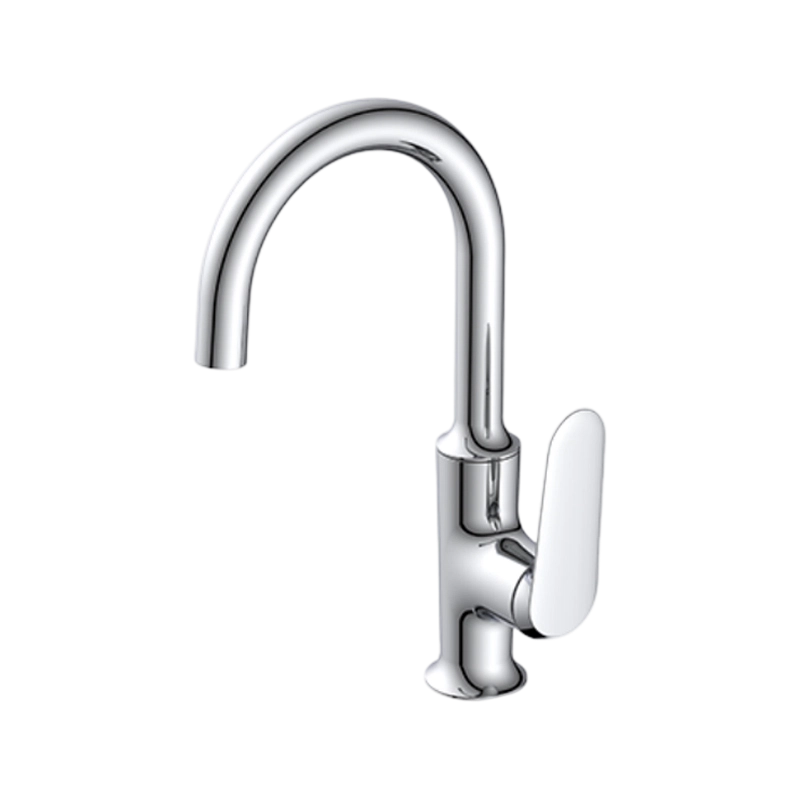
Countertop high-curve brass basin faucet is built specifically for vessel sinks — basins that sit on top of the counter instead of being mounted underneath. The body sits taller and the spout reaches ...
See Details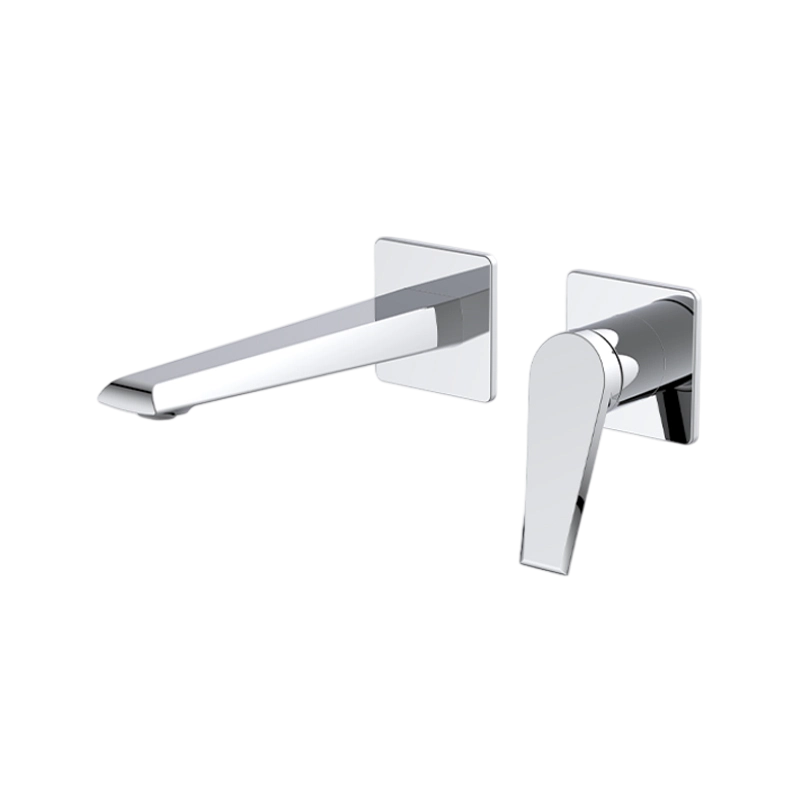
Wall-mounted brass basin faucet is a hot and cold water faucet installed on the wall, rather than on the basin or bathroom countertop.Specific Applications of Wall-Mounted Brass Basin FaucetsA wall-mo...
See Details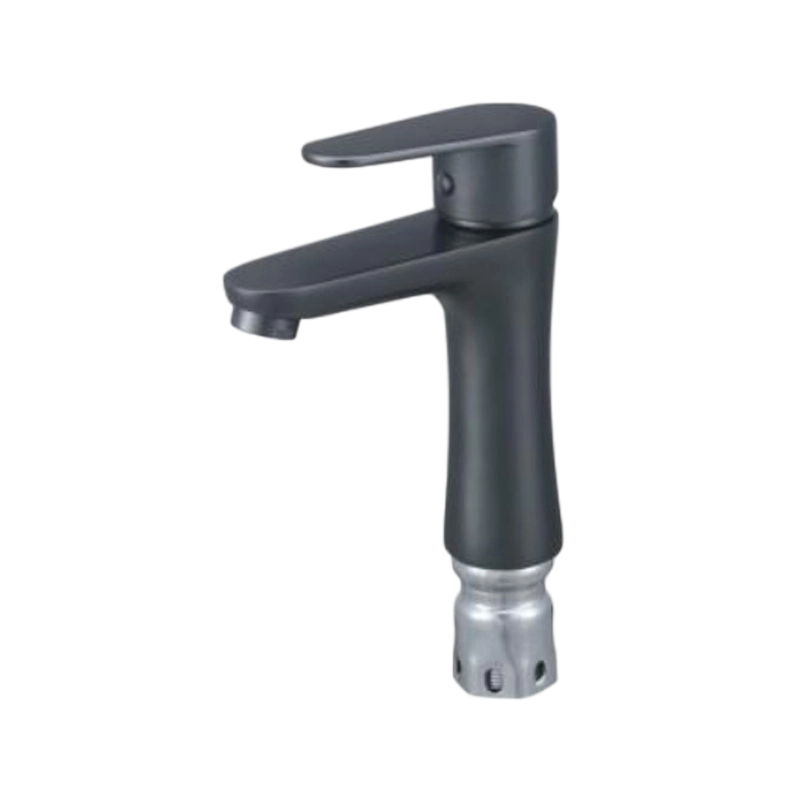
Washbasin cast from zinc alloy with a mirror-polished electroplated surface, featuring a streamlined design. It's the basin you use in the bathroom to wash your face and brush your teeth, but this one...
See Details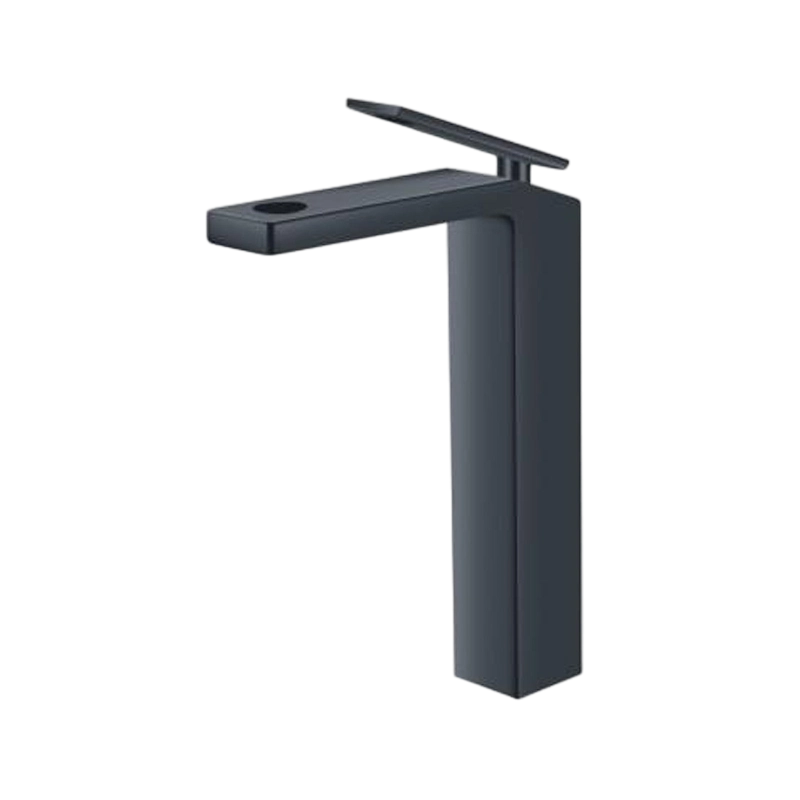
A hot and cold water faucet installed on a bathroom sink. It has a tall, square rectangular shape with an upright valve body and the spout extending from the top, resembling a square pillar. This high...
See Details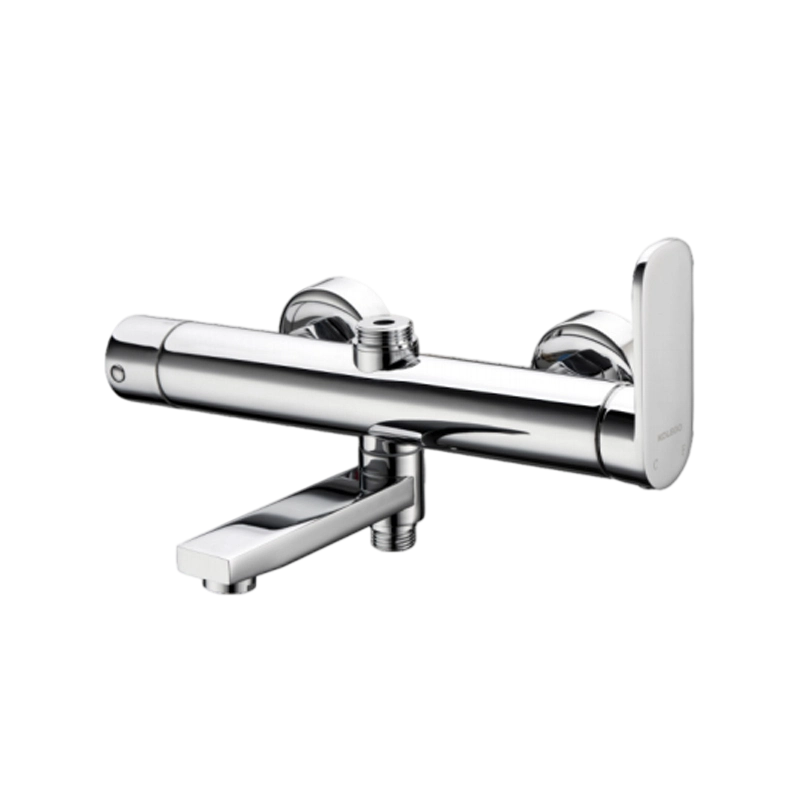
Multi-functional extended wall-mounted bathtub faucets solve a specific installation problem that standard wall-mounted faucets cannot address: how to supply water to freestanding or floor-standing ba...
See Details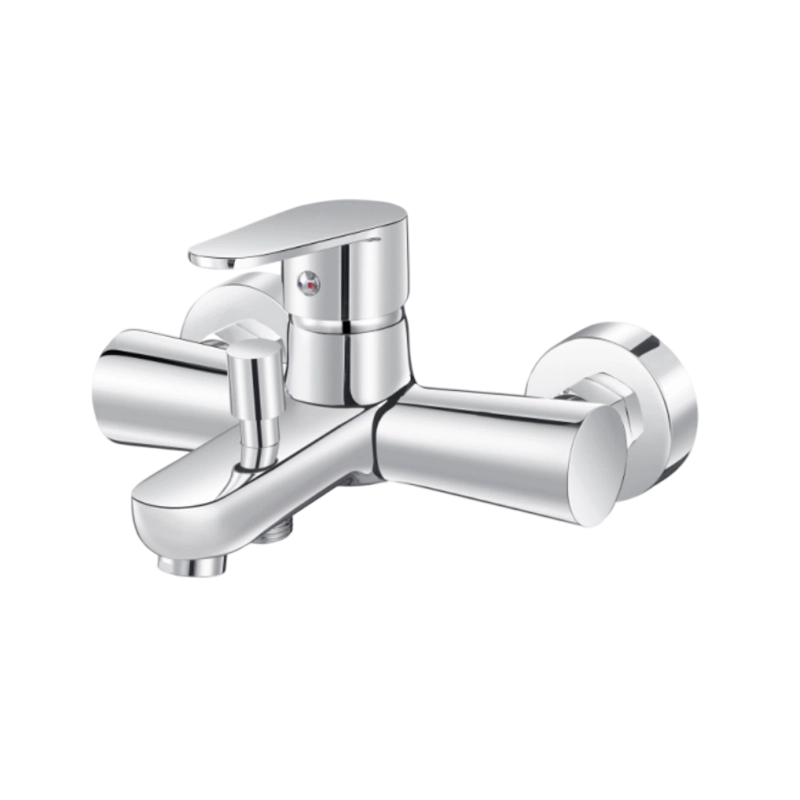
This multi-functional, compact wall-mounted bathtub faucet is designed for demanding commercial and residential projects, offering flexible water flow control while saving space. Buyers often use it i...
See Details

