

 English
 Español
 عربى
عربىA flexible countertop high-curve kitchen faucet gives you a tall curved spout, a pull-out side spray, and dual-handle temperature control in one fixture. More clearance, more reach, more control — wit...
See Details
 Email: [email protected]
A buyer scrolling through a supplier catalog in early 2026 will notice something right away: the kitchen faucet aisle looks different than it did three years ago. Chrome is still around, but it now shares shelf space with matte black, brushed gold, and gunmetal finishes. Handles are getting simpler. Spouts are getting taller. And more listings mention a filtration port or a sensor switch than they used to.
For a wholesale buyer, an OEM/ODM client, or a distributor building next season's line sheet, these shifts are not just style notes. They affect tooling decisions, packaging artwork, and which SKUs are worth stocking in volume.
Polished chrome remains the standard entry-level finish across price tiers, largely because it is easy to produce, easy to clean, and familiar to end users. But matte black, brushed nickel, and champagne gold finishes have moved from niche add-ons to regular line items in many catalogs. Part of the reason is practical: matte and brushed surfaces show fewer fingerprints and water spots than a mirror-polished chrome surface, which matters in a fixture that gets touched with wet hands multiple times a day.
From a sourcing standpoint, adding a matte or brushed option usually means an additional plating or PVD (physical vapor deposition) step rather than a different mold, so it can often be added to an existing product line without a full retool. Buyers requesting a new finish should ask the supplier directly whether the change affects the minimum order quantity, since color runs sometimes require a separate plating batch.
Pull-down and pull-out faucets, where the spray head detaches from the spout and extends on a flexible hose, continue to make up a large share of new kitchen faucet inquiries. The appeal is straightforward: one fixture covers both a steady stream for filling pots and a spray pattern for rinsing produce or dishes, without needing a second tap.
For OEM buyers building a private label line, pull-out models tend to work well as an entry point because the mechanism is well understood by factories, spare hoses and cartridges are widely available, and the design translates across several finish options without extra engineering work.
Brass has long been the default body material for kitchen faucets because it is easy to cast and machine. Stainless steel, particularly SUS304 grade, has been showing up more often in inquiries, especially from buyers targeting markets with lead-content restrictions or from clients marketing toward a food-contact-safety angle.
Stainless steel bodies are more resistant to corrosion in areas with hard or salty water, and they do not require a nickel or chrome plating layer to look finished, since the raw material itself can be brushed or polished directly. The tradeoff is that stainless steel is harder to machine than brass, so tooling and unit cost can run a bit higher, and design options may be somewhat more limited compared to cast brass parts.
Touch-activated and infrared sensor faucets used to sit almost entirely in the premium and commercial segments. That is shifting. Sensor modules and touch-sensitive control boards have become more affordable to source as standalone components, which means more mid-range residential product lines now include at least one sensor-activated SKU.
For B2B buyers, the practical consideration is less about the technology itself and more about supply chain reliability for the electronic components — battery type, module lead time, and after-sales replacement parts — since these add a layer of complexity that a purely mechanical faucet does not have.
Combination faucets that pair a regular tap with a separate outlet connected to an under-sink filtration or reverse osmosis system continue to appear more often in inquiries, particularly from buyers supplying modular kitchen packages or renovation projects. This design saves counter space compared to installing a standalone filtered water tap next to the main faucet.
Buyers evaluating this category should confirm the connection thread standard used for the filtration port, since compatibility with common under-sink filter systems in the destination market can affect how easily the end customer installs it.
Sink basins have been getting deeper in many residential renovation projects, particularly for undermount and workstation-style sinks. That has pushed demand toward taller gooseneck and vertical spout designs, which give more clearance for filling large pots or washing bulky cookware without splashing against a short spout.
This trend pairs naturally with the pull-down and pull-out function trend described earlier, since a taller arched spout gives the pulled-out spray head more working room over the basin.
Trend-chasing on paper is one thing; sourcing it reliably is another. A few points worth checking before placing a bulk order:
None of these questions are complicated, but skipping them at the inquiry stage is a common reason orders get delayed later in production.
Kolego is a Zhejiang-based manufacturer producing kitchen sink faucets, washbasin faucets, bidet faucets, bathtub faucets, and shower faucets in both stainless steel and brass. The kitchen sink faucet range covers wall-mounted, vertical/gooseneck, and pull-out configurations, which lines up directly with the finish, form, and function trends covered above.
The company supports OEM/ODM cooperation including appearance customization (color, surface finish, handle shape), packaging customization (private labeling, color box design, label printing), and certification adaptation for different target markets. Small-batch sampling is available for buyers who want to confirm finish and function before a bulk order.
View Kitchen Sink Faucet Range →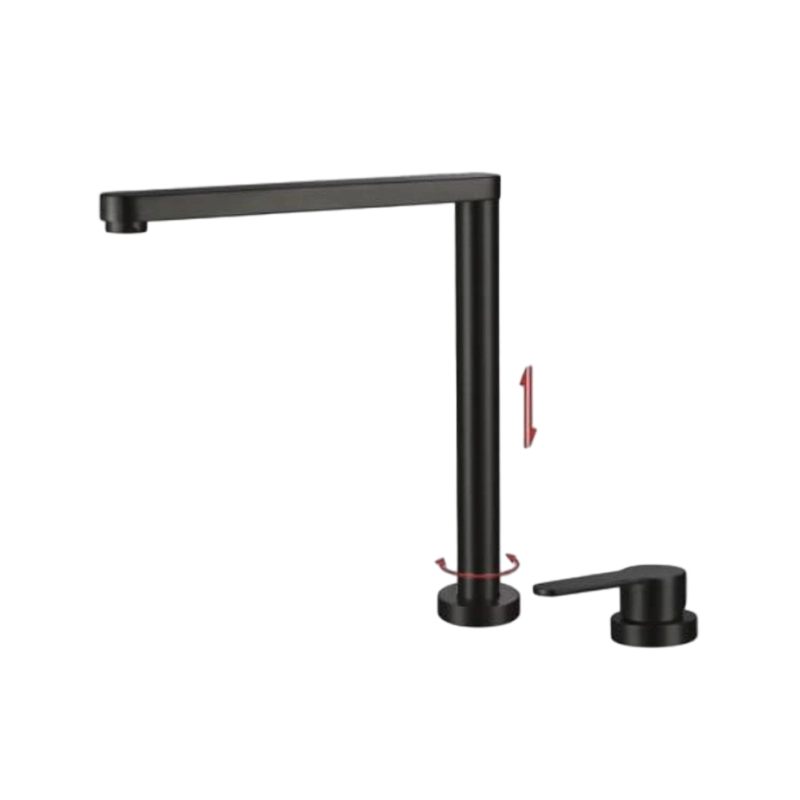
Three products from Kolego's current kitchen sink faucet range line up closely with the trends covered in this guide:
A stainless steel body with a movable spout that slides vertically along the riser — a fit for buyers prioritizing the stainless steel and space-saving trend.
View product →A countertop-mounted design with a tall curved spout, matching the taller-spout trend for deep sinks and workstation basins.
View product →A flexible-hose pull-out spray head design, representing the function trend that continues to anchor kitchen faucet catalogs.
View product →Polished chrome remains the most widely recognized option across markets, so it is a reasonable base SKU. Matte black and brushed nickel work well as complementary options for buyers who want a broader finish range.
It depends on the target market. Buyers selling into regions with strict lead-content rules or a strong food-safety marketing angle often find the added machining cost justified. For general residential markets, brass remains a workable and cost-effective choice.
Yes. In addition to the standard water pressure and leak tests, electronic components need functional testing and, depending on the market, additional electrical safety certification.
Most manufacturers offering OEM/ODM service can apply private label packaging and logo printing to existing product lines, including the models referenced in this guide. Confirm minimum order quantity and lead time directly with the supplier.
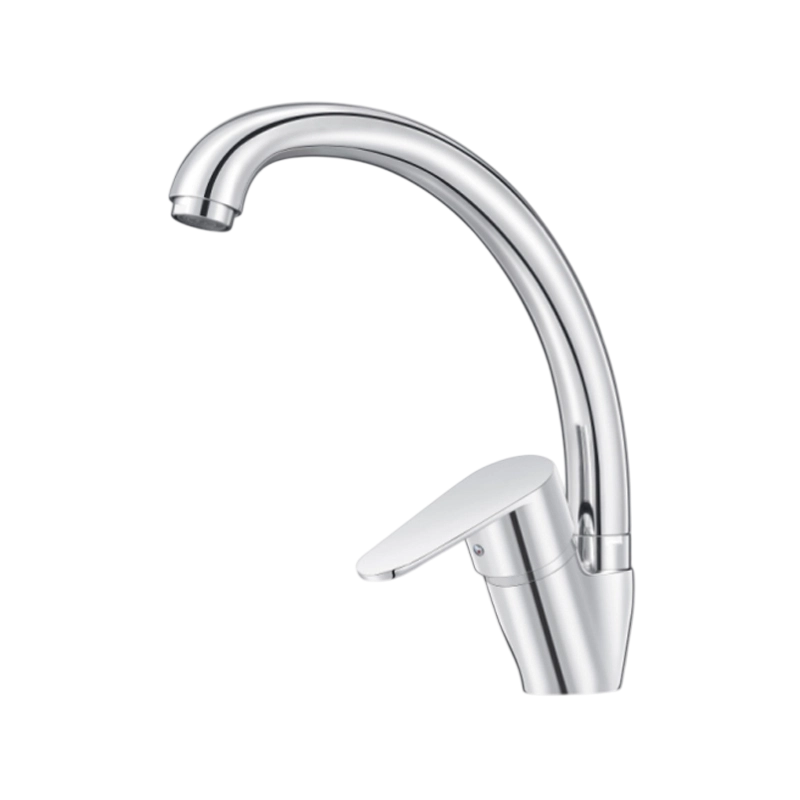
A flexible countertop high-curve kitchen faucet gives you a tall curved spout, a pull-out side spray, and dual-handle temperature control in one fixture. More clearance, more reach, more control — wit...
See Details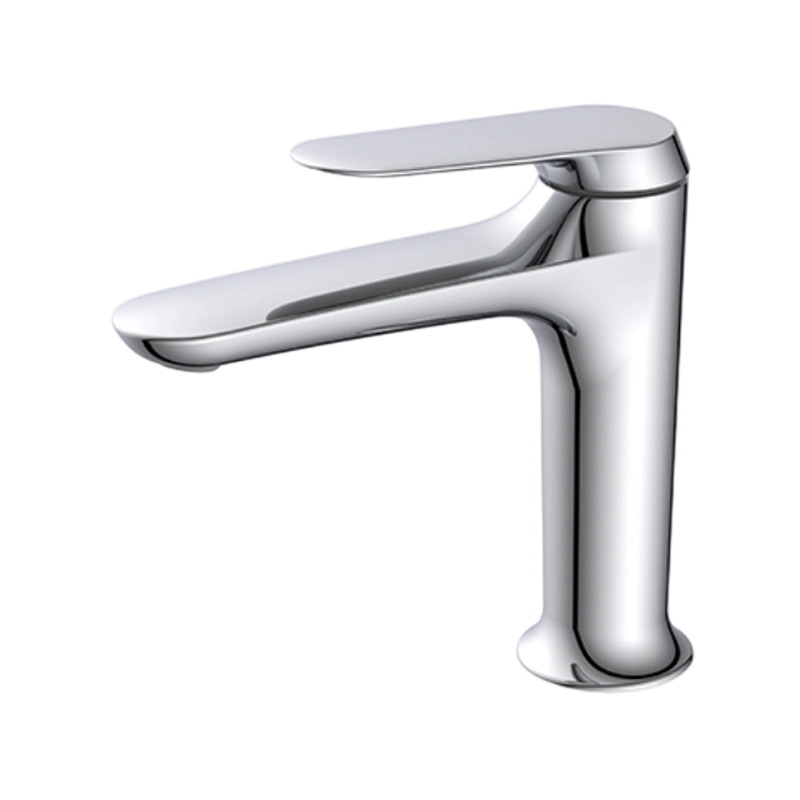
Single-handle streamlined brass mixed basin faucet is installed on a washbasin, countertop basin, or sink, and uses one handle to control both water flow and the hot-cold mix at the same time. The bod...
See Details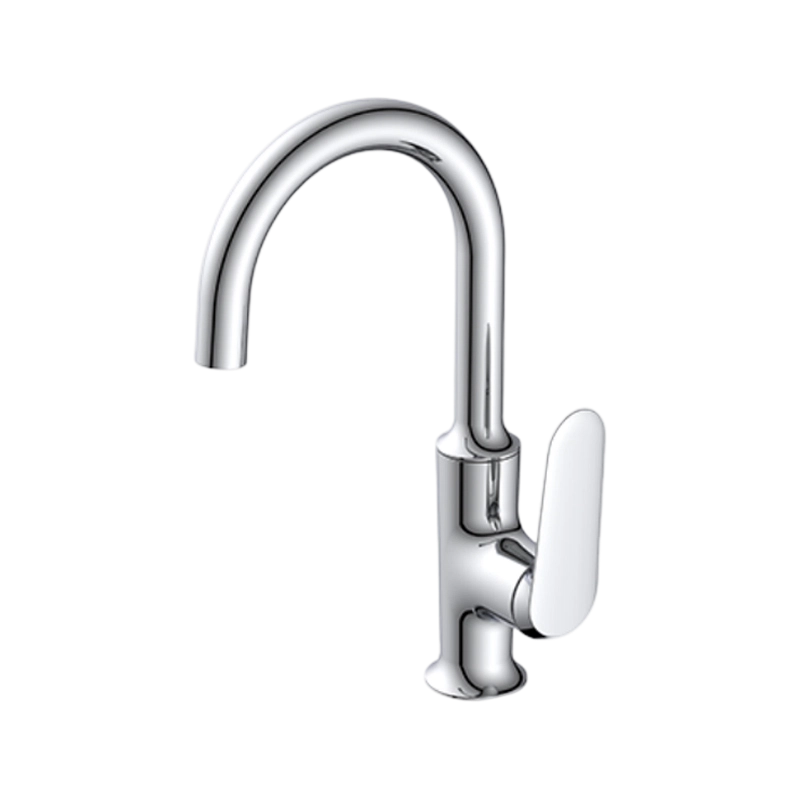
Countertop high-curve brass basin faucet is built specifically for vessel sinks — basins that sit on top of the counter instead of being mounted underneath. The body sits taller and the spout reaches ...
See Details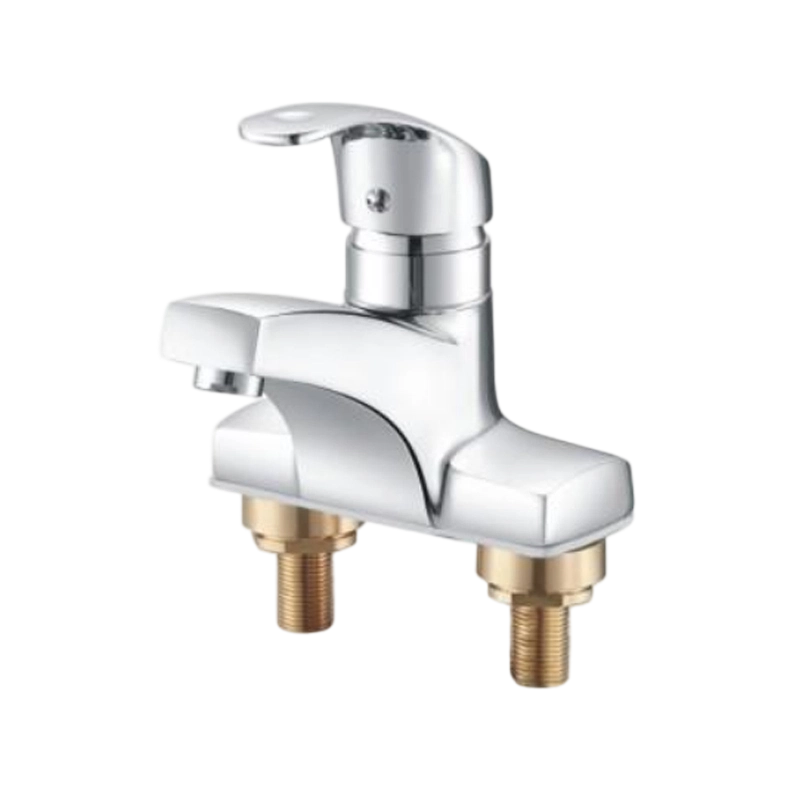
This is Heavy-Duty Solid Double-Hole Washbasin Faucet installed on a washbasin. The dual-hole design means that the hot and cold water inlets pass through two holes on the countertop. "Solid" refers t...
See Details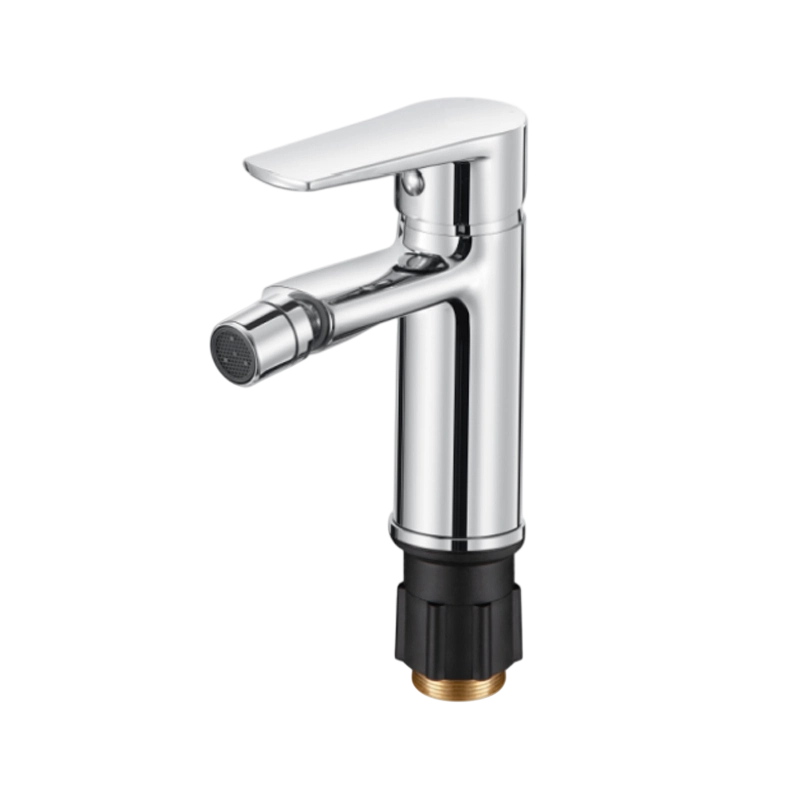
A Brass rotating shower head bathroom bidet faucet for bidets featuring a rotatable spray head and a solid brass body. This design stands out because the spray head itself rotates—not just the spout. ...
See Details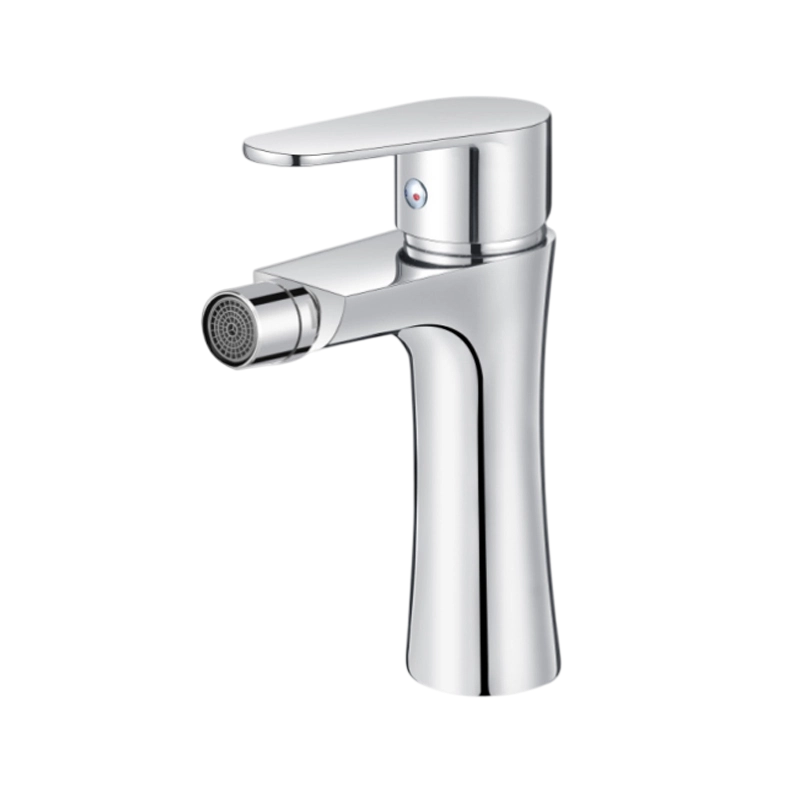
Ordinary bidet faucets have a fixed water outlet position after installation, requiring users to adjust their posture to match the water flow direction. This product is the opposite—the faucet's water...
See Details

