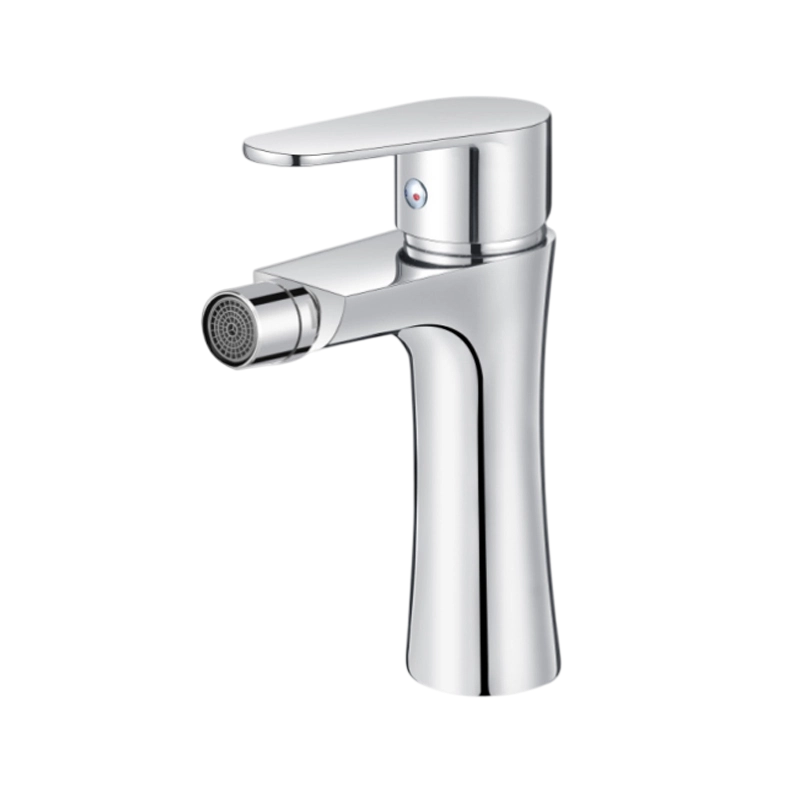
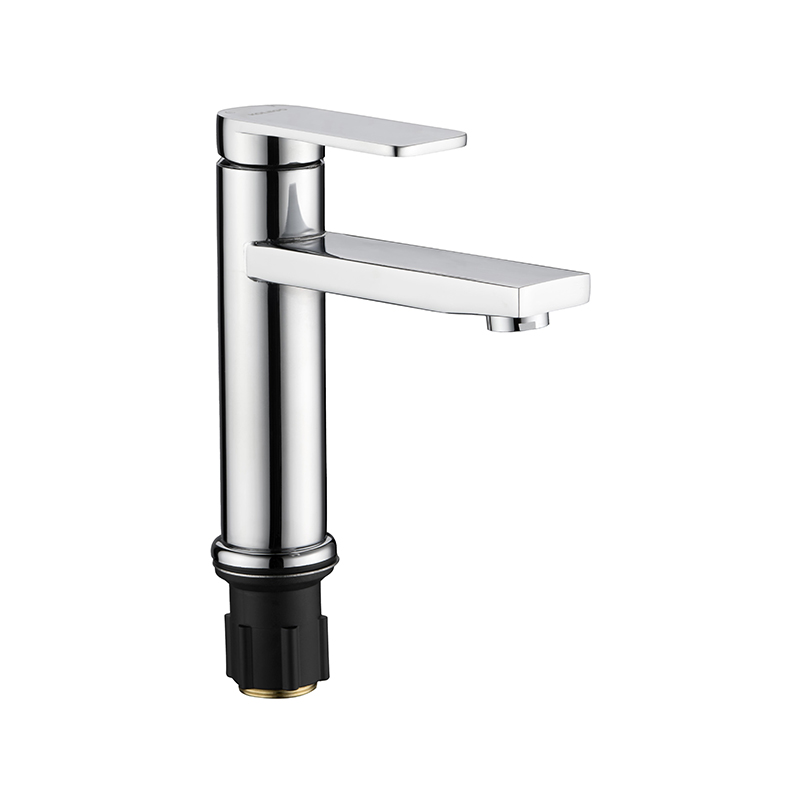
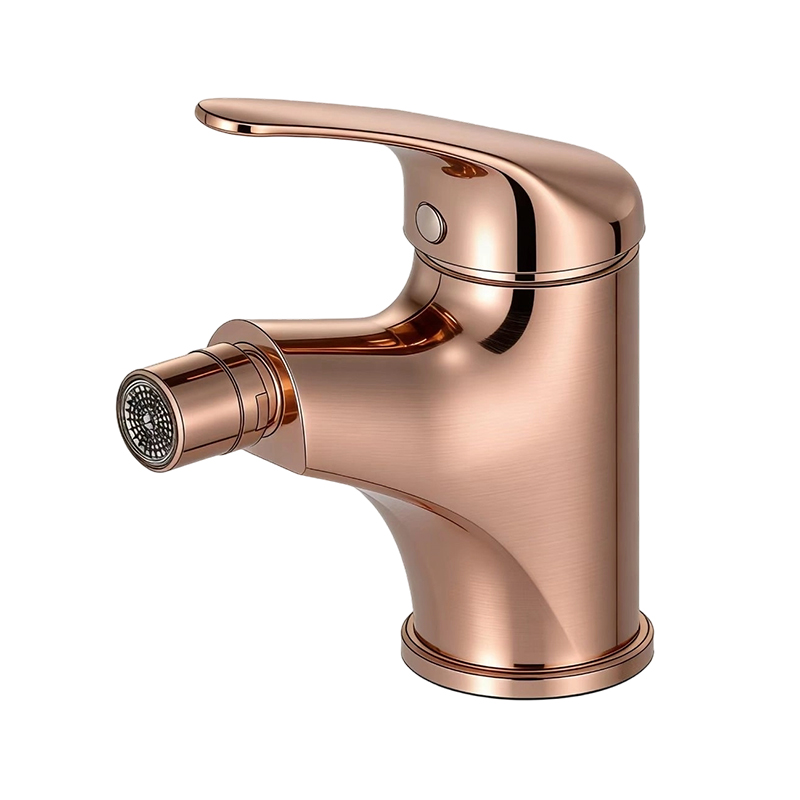
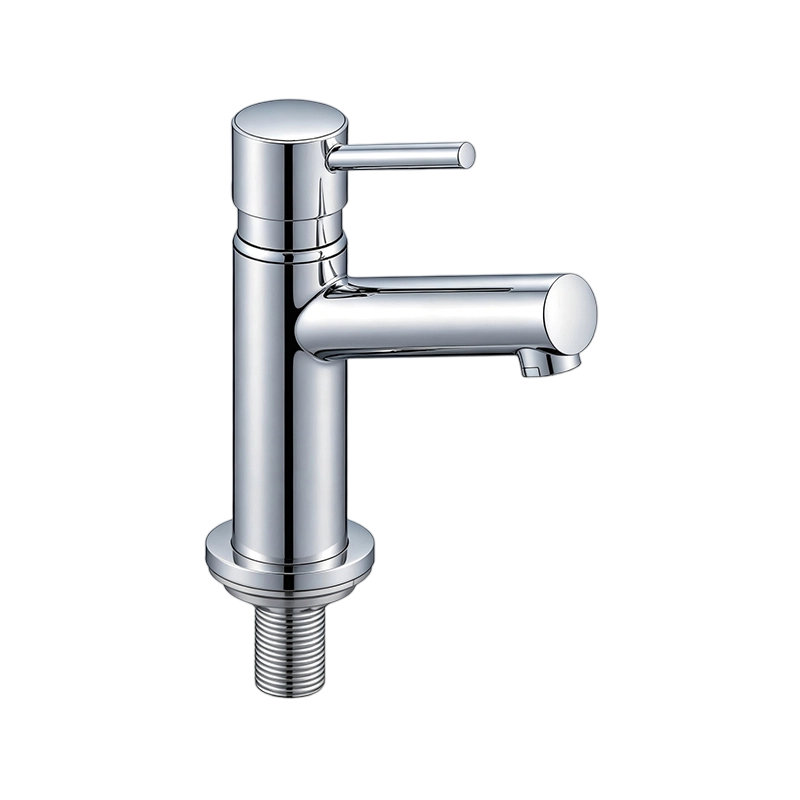
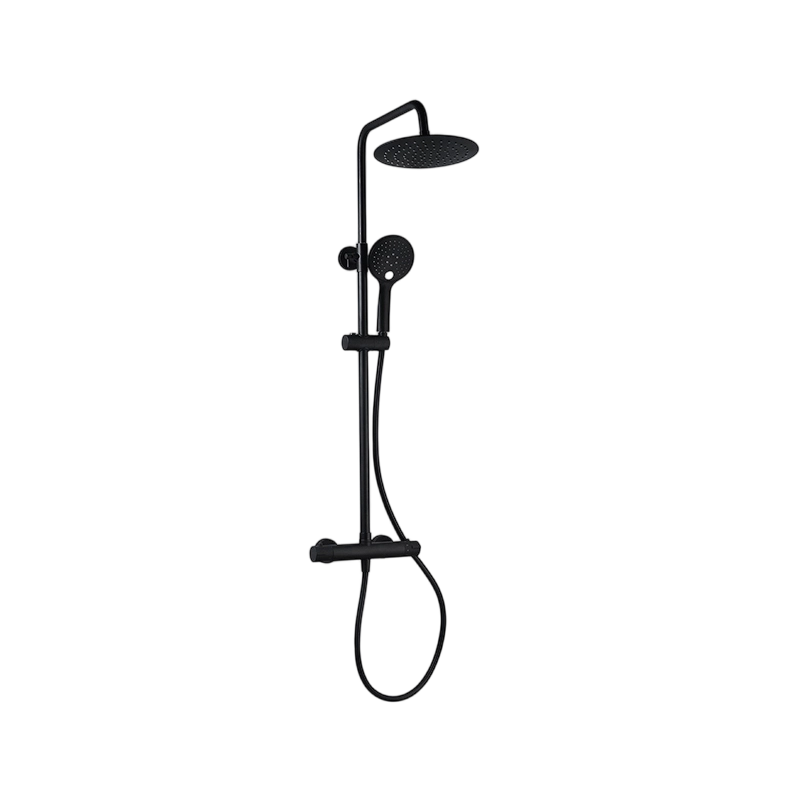
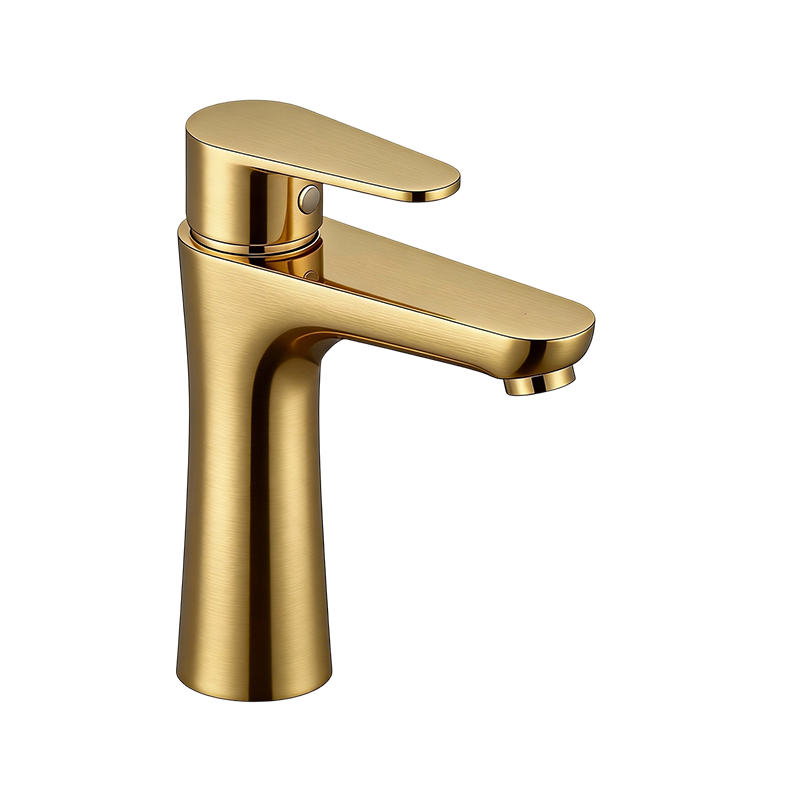
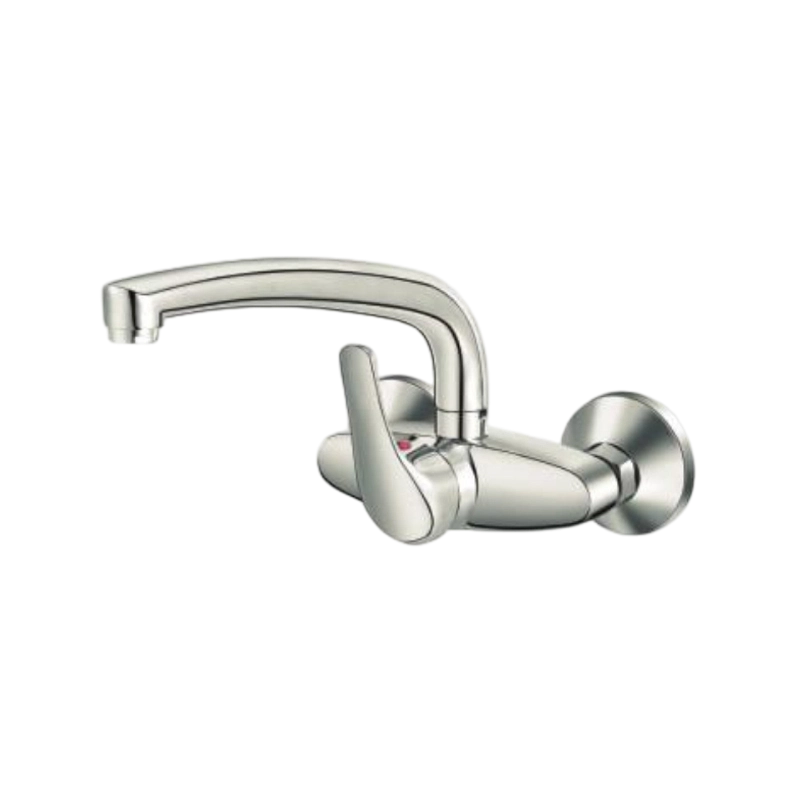
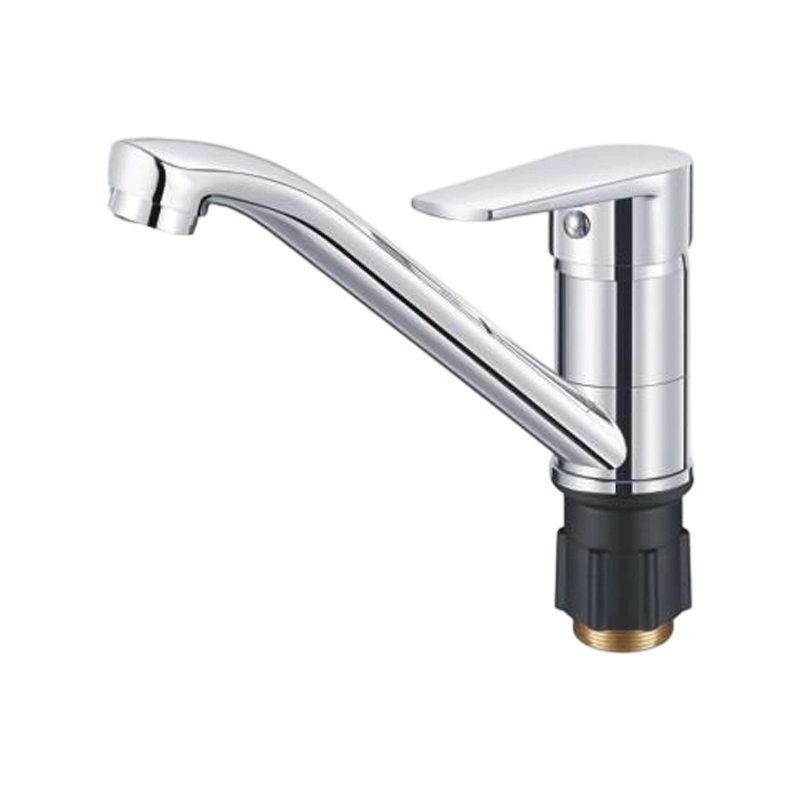
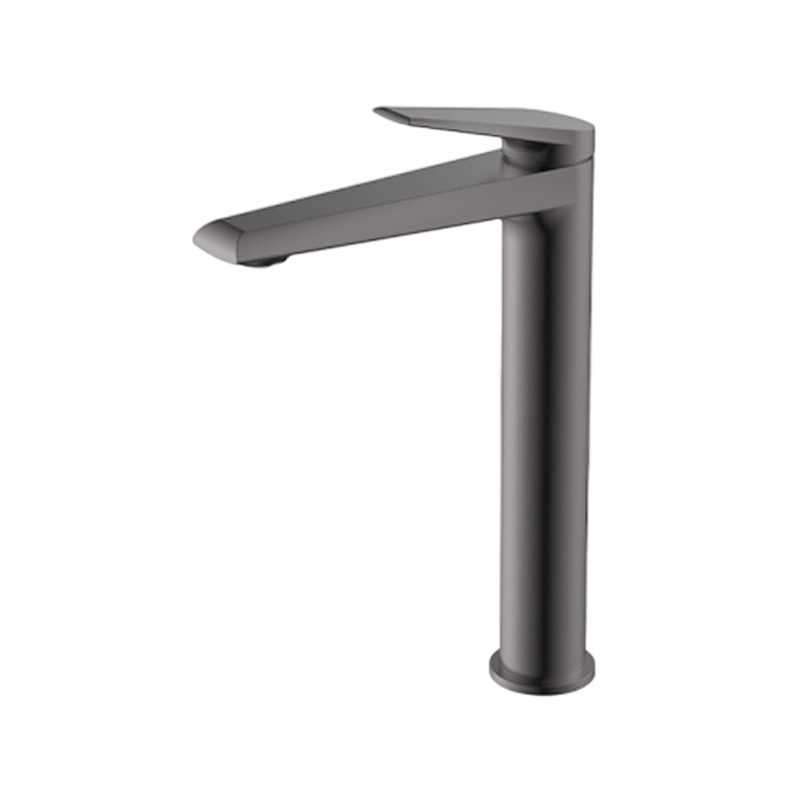
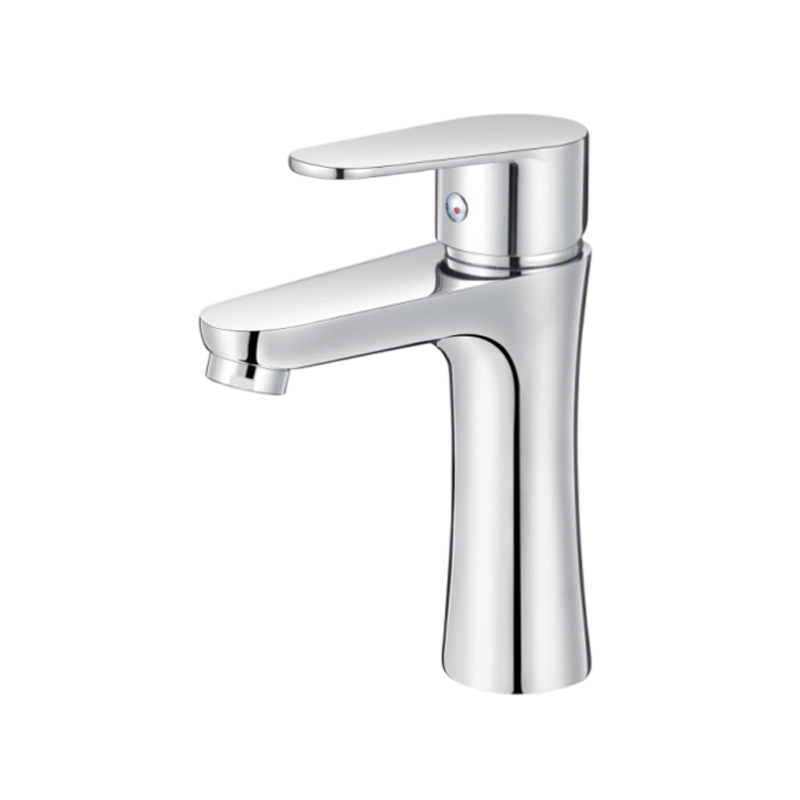
Ordinary bidet faucets have a fixed water outlet position after installation, requiring users to adjust their posture to match the water flow direction. This product is the opposite—the faucet's water outlet angle, height, or direction can be adjusted according to the user's body shape and sitting posture, allowing the water flow to proactively adapt to the person, rather than the person having to adapt to the water flow.
Suitable Use Scenarios
Accessible Toilet Projects: Toilet configurations that meet accessibility design standards, satisfying the independent use needs of wheelchair users or people with physical disabilities.
Maternity Bathrooms: For pregnant and postpartum women with limited mobility, adjustable water outlet coverage reduces discomfort.
Accessible Hotel Rooms: Bathroom configuration requirements for accessible rooms in high-end hotels, reflecting the hotel's care for guests with special needs.
High-End Home Renovations in Southern Europe: In high-end home renovation projects in countries like France and Italy, homeowners tend to choose upgraded models with more comprehensive functions.
Aging-Friendly Bathroom Renovations: Adjustable bidet faucets are a standard accessory in aging-friendly bathroom renovations for elderly parents.
What Can This Product Do?
Multi-dimensional Adjustability, Adapting to Different Users
The core function of this product is its "adjustability." The water outlet angle, direction, or height can be flexibly set according to the user's physical condition. Once adjusted and locked, the position does not need to be readjusted for subsequent uses. For users with fixed usage habits or physical conditions (such as long-term bedridden rehabilitation patients or wheelchair users), this setting provides continuous benefits from a single setup.
Ergonomic design reduces physical burden during use. The adjustable structure is designed to allow users to complete cleaning in a natural sitting posture, without needing to lean forward, turn sideways, or raise their arms. Reducing the duration of unnatural postures has a practical improvement effect on joint and muscle pressure for the elderly and those with limited mobility.
Stable adjustment and locking, no automatic displacement. An adjustable structure must be combined with a reliable locking mechanism to be truly valuable. Once the angle is adjusted and locked, the water pressure will not push the water outlet head off course during use, maintaining a stable direction. Please confirm the specific locking method (damping/knob) with the sales staff.
Hot and cold water mixing, comfortable and non-irritating water temperature. The elderly and postoperative patients are more sensitive to changes in water temperature. The hot and cold water mixing function allows users to pre-adjust a comfortable water temperature before use, avoiding discomfort or even stress reactions caused by sudden cold water impact. Ceramic disc valve cores offer a long service life. High-frequency usage scenarios (nursing homes, medical institutions) require high valve core durability. Ceramic disc valve cores offer superior wear resistance and sealing stability compared to rubber valve cores, reducing maintenance frequency and lowering the institution's long-term operating costs.
Common Buyer Issues and Solutions
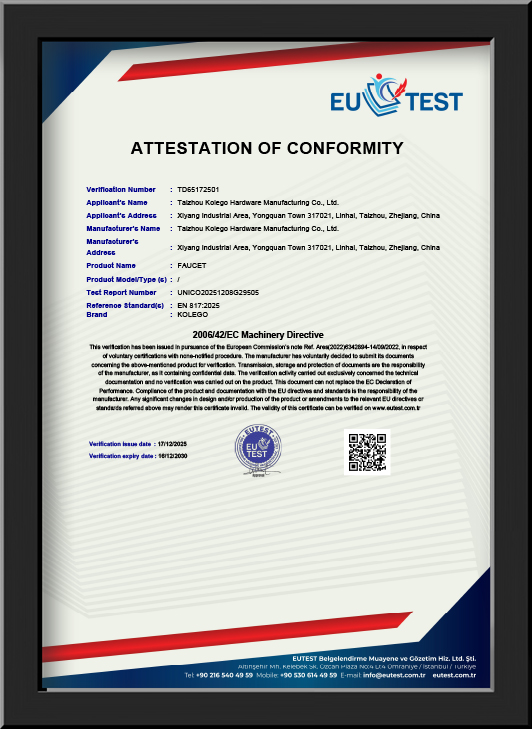
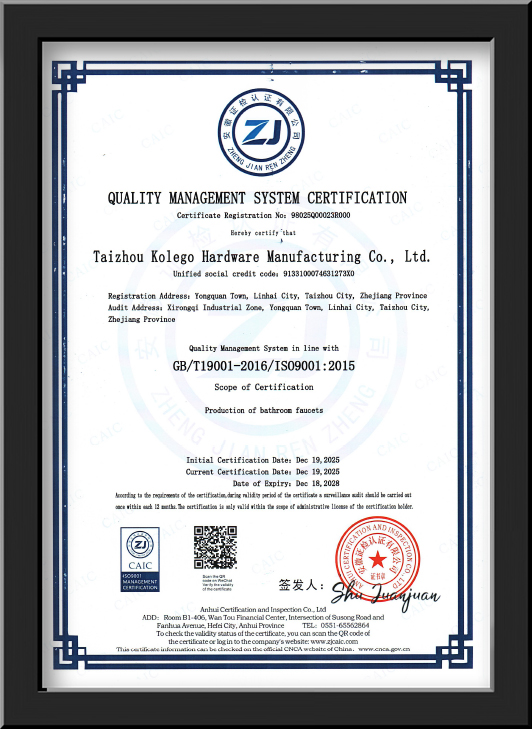
1: Accessibility Projects Require ADA or Local Accessibility Certification, which Ordinary Suppliers Cannot Provide. Certification documents are a mandatory requirement for inclusion in the procurement lists of nursing homes, hospitals, and government accessibility projects. We can assist buyers in assessing product compliance with target specifications and assist in preparing certification application materials. Please confirm the current certification status of this product with our sales staff.
2: Handle Designs for Products Designed for the Elderly and Disabled Are Not User-Friendly. Standard handles are difficult to operate for users with weak hand strength or inflexible joints, easily leading to complaints. We support customized designs such as larger handles, low-torque valve cores, and anti-slip textures to address the needs of special groups, rather than simply selling standard home-use models through accessibility channels.
3. Unclear Instructions: Users Don't Know How to Adjust
The operating instructions for adjustable products must be clear, especially for scenarios involving the elderly or caregivers. We support customized illustrated instructions, including large print and multilingual versions, to ensure end-users can operate correctly and reduce complaints due to operational errors.
Frequently Asked Questions
Q: What specific aspects of the adjustable structure can be adjusted, and what is the adjustment range?
A: Please request the technical manual from our sales staff to confirm the adjustment dimensions and specific range supported by this product. Before purchasing, we recommend assessing the adequacy of the adjustment range based on the actual usage scenario (e.g., the sitting height of wheelchair users, the range of motion of postoperative patients). Don't just look at the parameters; judge according to actual usage needs.
Q: Does this product meet ADA accessibility standards?
A: ADA has specific requirements for the operating force and installation height of bathroom accessories. Please confirm with our sales staff whether this product has passed relevant ADA tests and request certification documents.
Q: For bulk purchases by nursing homes, how can we ensure consistent adjustability across each batch?
A: The adjustment feel (damping feel and locking force) depends on the machining precision and assembly consistency of the adjustment structure, which requires standardized control at the production stage. We recommend that buyers include the adjustment torque requirements in the acceptance criteria during the initial cooperation and conduct functional spot checks before shipment to ensure that the bulk product and sample experience are consistent.



 English
 Español
 عربى
عربى