

 English
 Español
 عربى
عربىA single handle tall stainless steel washbasin faucet is mounted on a washbasin or countertop. The spout sits higher than standard basin faucets, leaving more clearance between the spout and the basin...
See Details
 Email: [email protected]
When sourcing faucets for a B2B order, buyers often run into two types of suppliers with very similar-looking websites: the factory that actually makes the product, and the trading company that sells it on the factory's behalf. Both can be reasonable partners, but they work differently, and knowing which one you're dealing with changes how you should negotiate price, lead time, and quality terms. This article breaks down the practical differences so you can make a clearer sourcing decision.
A faucet manufacturer owns and operates the production facility — casting, machining, plating, assembly, and testing all happen under its own roof, or at least under its direct management. Because the manufacturer controls the process end to end, it usually has more direct answers about material specs, tooling, and testing results.
Manufacturers typically fall into two groups:
Either way, working directly with a manufacturer generally means fewer parties between you and the production line.
A trading company doesn't own a factory. Instead, it sources faucets from one or several manufacturers and resells them, often bundling different product categories together (faucets, sinks, accessories) under one order.
Trading companies can be useful when you need a range of products from different factories but want a single point of contact and a single shipment. The tradeoff is that a trading company sits between you and the factory, which adds a layer of communication and sometimes cost.
| Factor | Faucet Manufacturer | Trading Company |
|---|---|---|
| Owns production facility | Yes | No |
| Product range | Usually focused on faucets and related fittings | Can be broader, sourced from multiple factories |
| Price transparency | Direct factory pricing, fewer markups | Includes a margin on top of factory price |
| Technical detail | Can usually answer material/process questions directly | May need to relay questions to the factory |
| Order consolidation | Limited to what the factory produces | Can combine products from different factories in one shipment |
| Communication layers | Fewer, usually direct with production/sales team | Additional layer between buyer and factory |
This table is a general pattern, not a fixed rule — some trading companies have long-term exclusive arrangements with factories and can answer technical questions almost as well as the manufacturer itself.
Manufacturer pricing is generally closer to the actual production cost plus the factory's margin. Trading company pricing includes an additional markup to cover their own operating cost and profit, since they are reselling rather than producing.
This doesn't automatically mean manufacturers are cheaper in every case. A trading company that orders in bulk across many clients may get better factory pricing than a smaller buyer negotiating directly, and pass part of that savings along. The reliable way to compare is to request a formal quotation with the same specification (material, finish, valve type, packaging) from both types of suppliers and compare line by line.
| Customization Need | Faucet Manufacturer | Trading Company |
| New mold development | Handles directly, in-house engineering | Coordinates with a factory partner, adds coordination time |
| Finish or plating change | Direct control over the plating line | Depends on the factory's willingness to accommodate a smaller order |
| Private label packaging | Usually flexible if MOQ is met | Often flexible too, but confirm who owns the packaging artwork file |
| Mold ownership after project | Buyer can usually request to keep the mold on file | Ownership terms should be confirmed in writing, since the trader may not control the mold directly |
If your project depends on a new mold or a specific finish requirement, working with the manufacturer directly, or at minimum getting written confirmation from the trading company about how mold ownership and changes are handled, avoids confusion later.
With a manufacturer, quality control is typically in-house: incoming material checks, in-process inspection, and pre-shipment testing all happen at the same site. If there's a defect, the accountability is clear.
With a trading company, quality control depends on the agreement between the trader and the factory. Some trading companies station their own QC staff at the factory for final inspection; others rely on the factory's internal reports without an independent check. Ask directly: "Who performs the final inspection, and do you have your own QC staff at the factory, or do you rely on the factory's report?"
Manufacturers usually assign a sales contact who works closely with the production and engineering teams, so technical questions get answered with fewer steps. Trading companies often have sales staff who are strong on communication and English-language support, but who need to check with the factory before confirming technical details like wall thickness, cartridge brand, or valve pressure rating.
Neither pattern is automatically better — a responsive trading company with a solid factory relationship can move just as fast as a manufacturer with a slow sales team. What matters is how quickly and specifically your questions get answered during the inquiry stage, since that pattern tends to continue after the order is placed.
There isn't a single correct answer — it depends on your order profile.
If you're ordering a volume of a single product line, need a new mold, or want tighter control over technical specifications, working directly with the manufacturer usually gives you more direct answers and fewer communication layers.
If you need a mixed shipment across several product categories, including Water Faucet products, or you don't yet have the volume to justify managing a factory relationship directly, a trading company with a track record can simplify the process, as long as you confirm who handles quality control and mold ownership in writing.
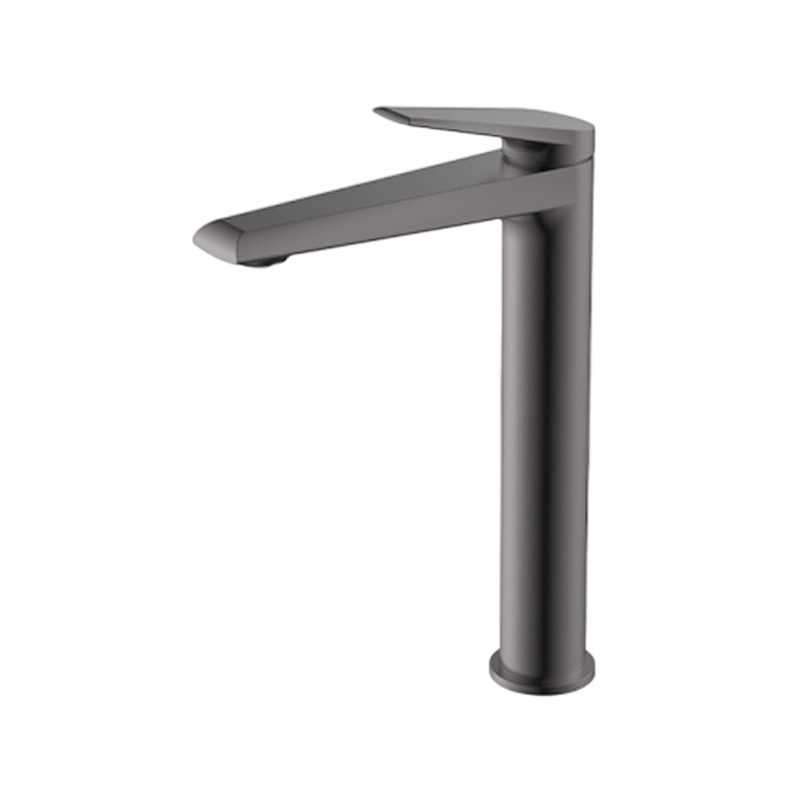
A single handle tall stainless steel washbasin faucet is mounted on a washbasin or countertop. The spout sits higher than standard basin faucets, leaving more clearance between the spout and the basin...
See Details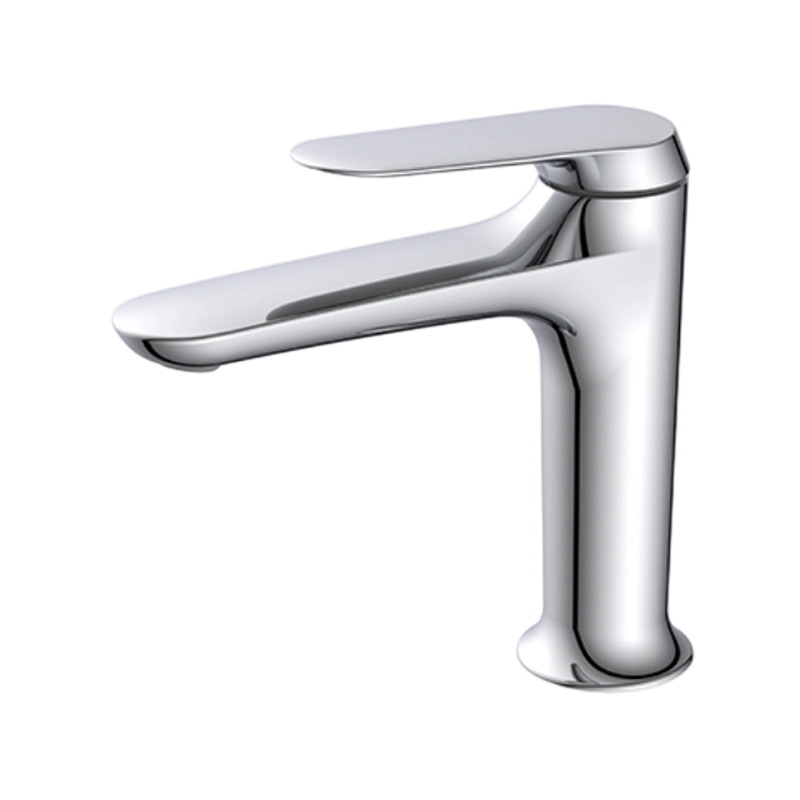
Single-handle streamlined brass mixed basin faucet is installed on a washbasin, countertop basin, or sink, and uses one handle to control both water flow and the hot-cold mix at the same time. The bod...
See Details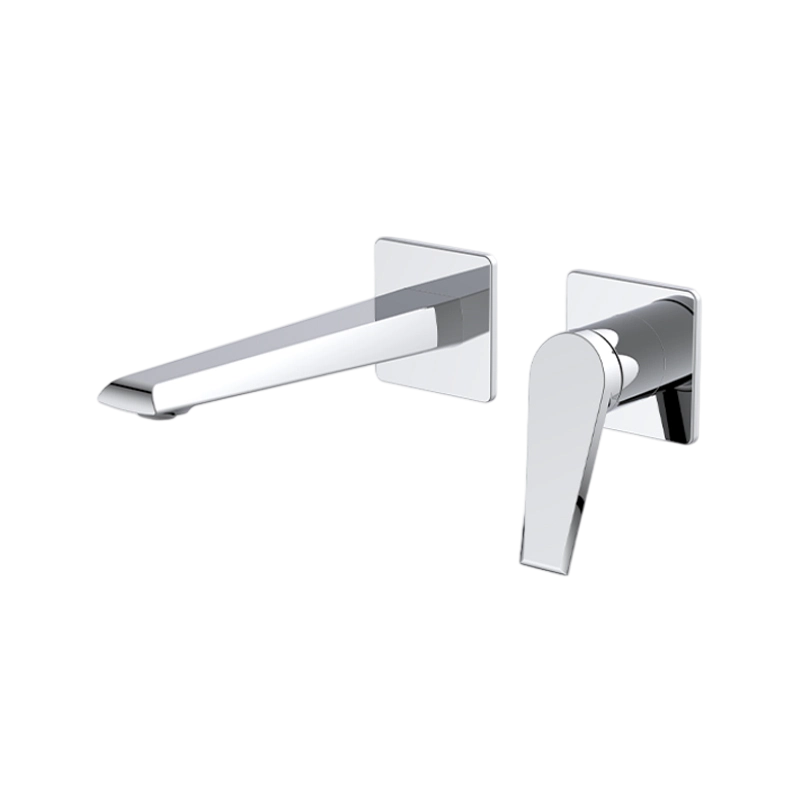
Wall-mounted brass basin faucet is a hot and cold water faucet installed on the wall, rather than on the basin or bathroom countertop.Specific Applications of Wall-Mounted Brass Basin FaucetsA wall-mo...
See Details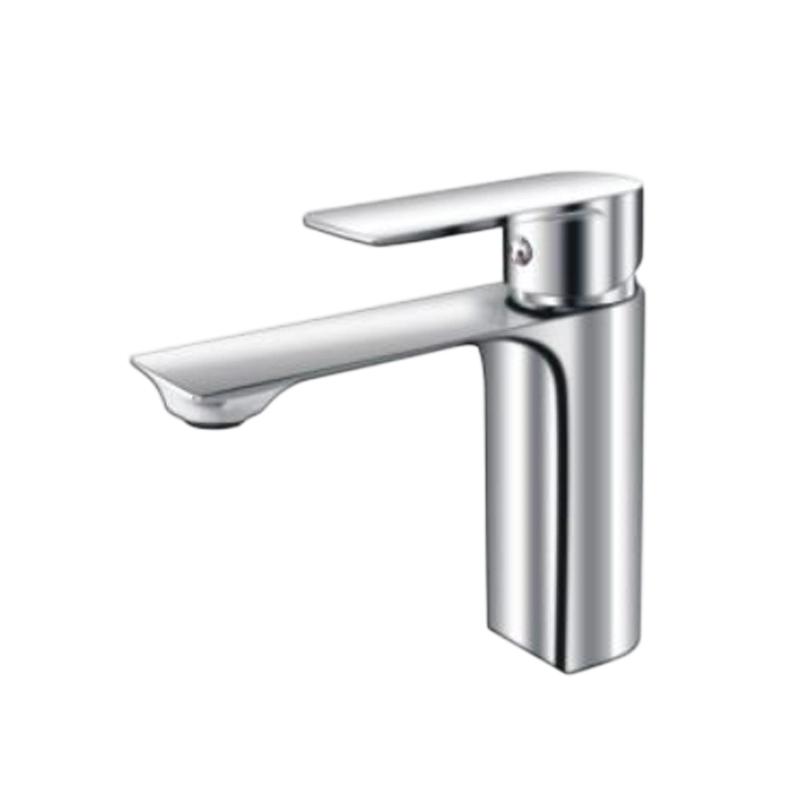
This is a basin faucet with a significantly taller body than standard models. It's made entirely of brass with a chrome-plated finish. The chrome plating gives this brass chrome-plated high-mounted wa...
See Details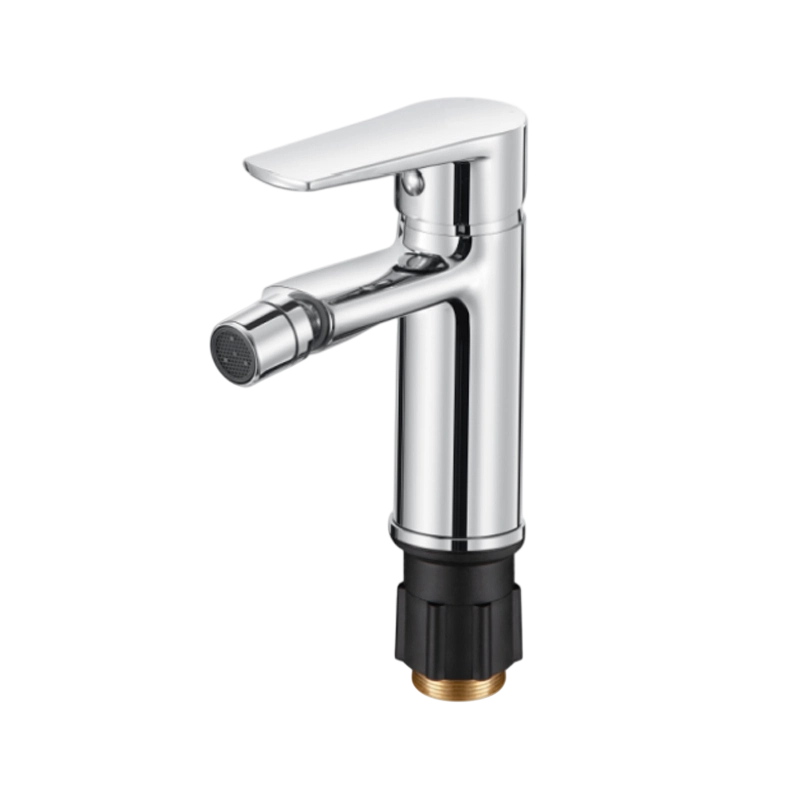
A Brass rotating shower head bathroom bidet faucet for bidets featuring a rotatable spray head and a solid brass body. This design stands out because the spray head itself rotates—not just the spout. ...
See Details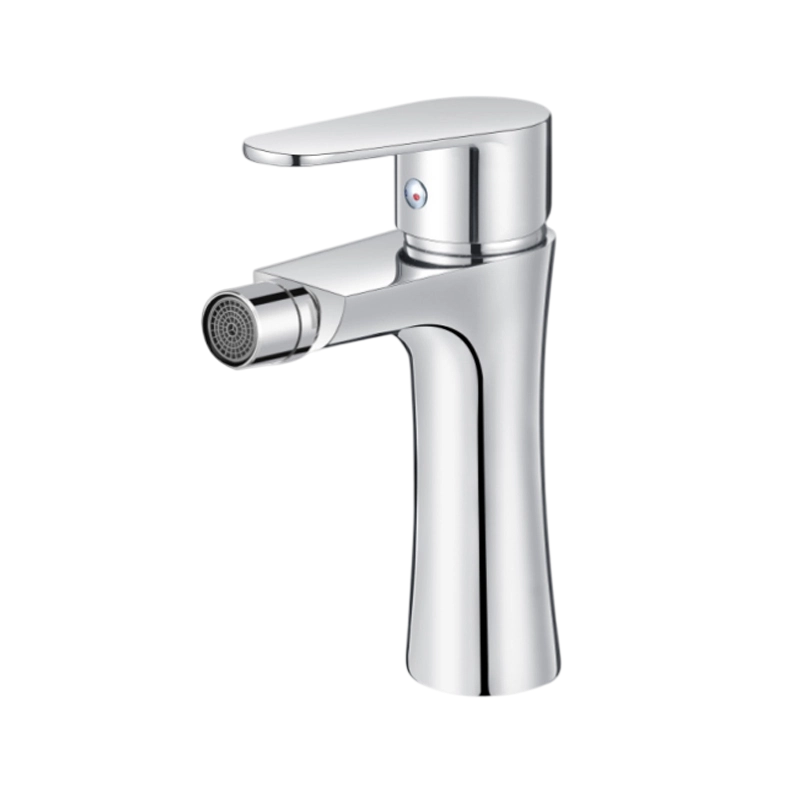
Ordinary bidet faucets have a fixed water outlet position after installation, requiring users to adjust their posture to match the water flow direction. This product is the opposite—the faucet's water...
See Details

