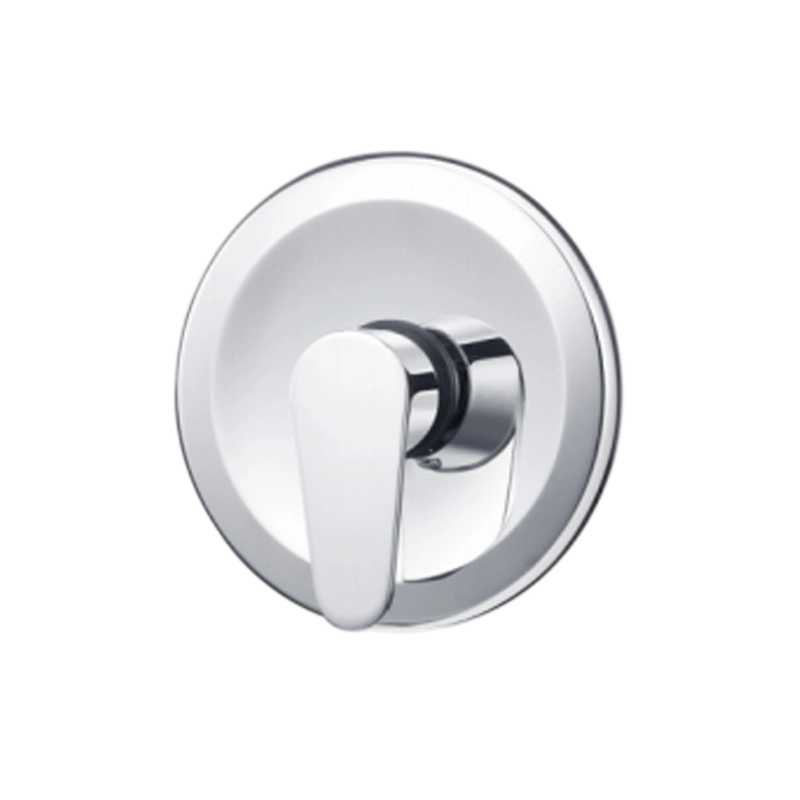
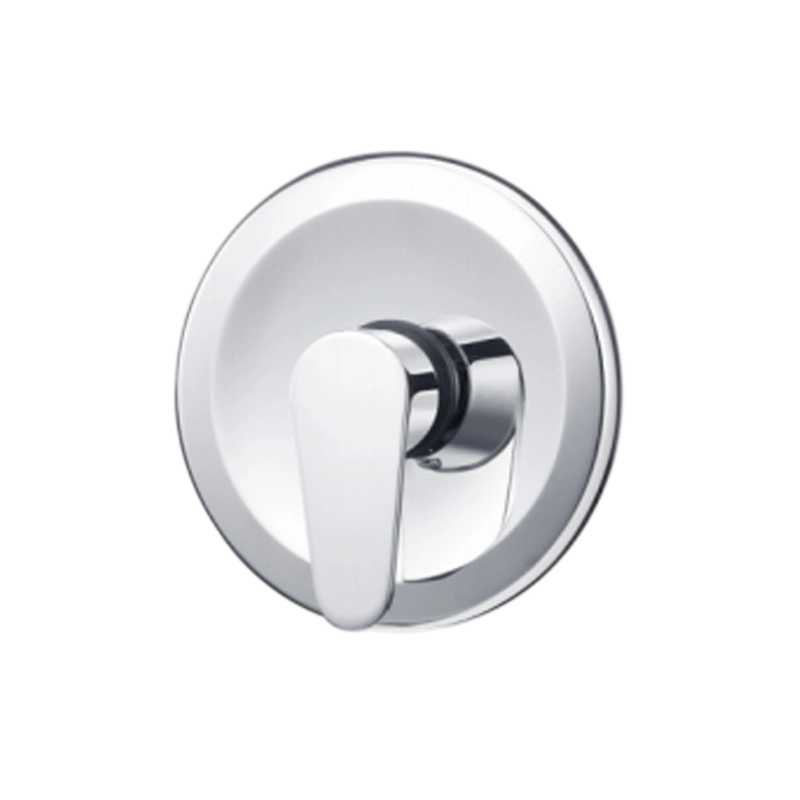
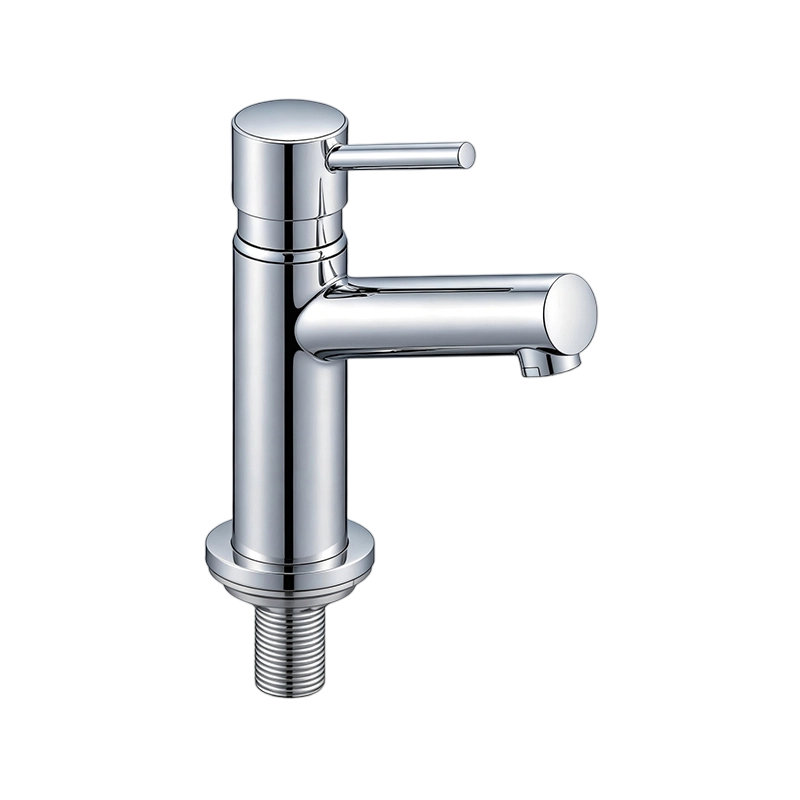
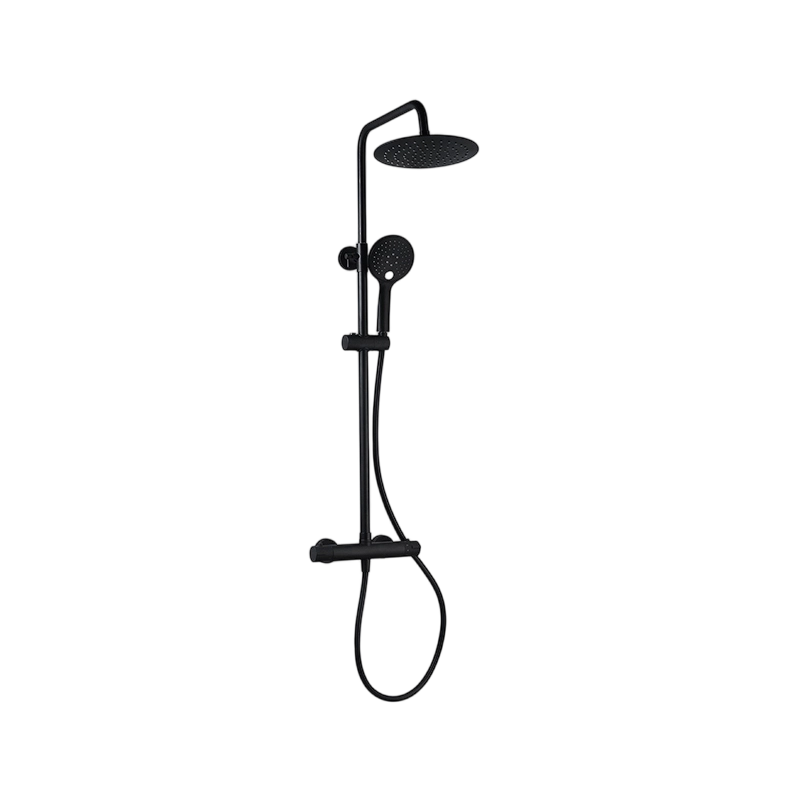
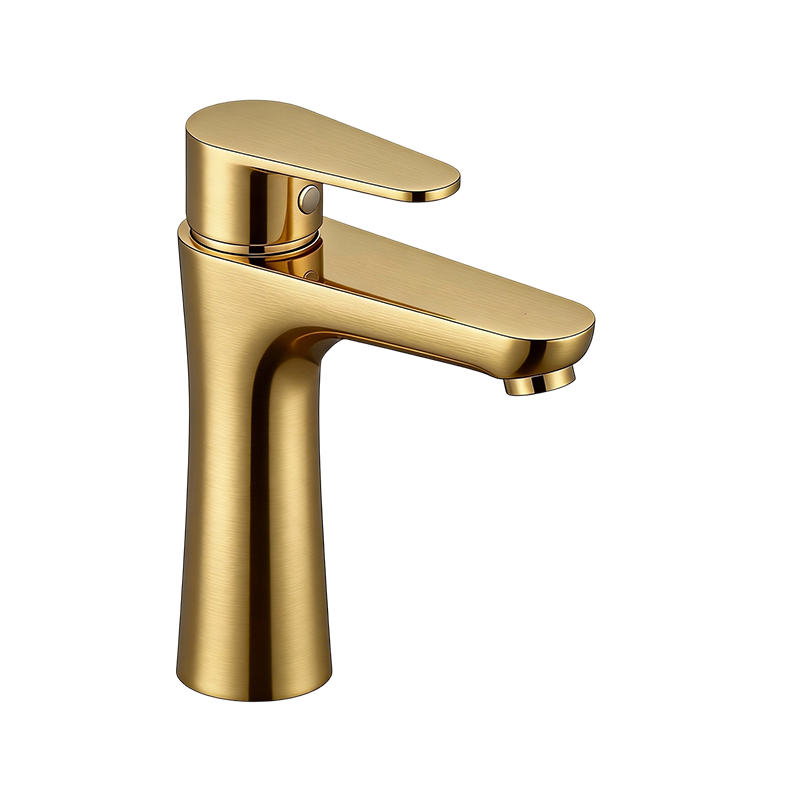
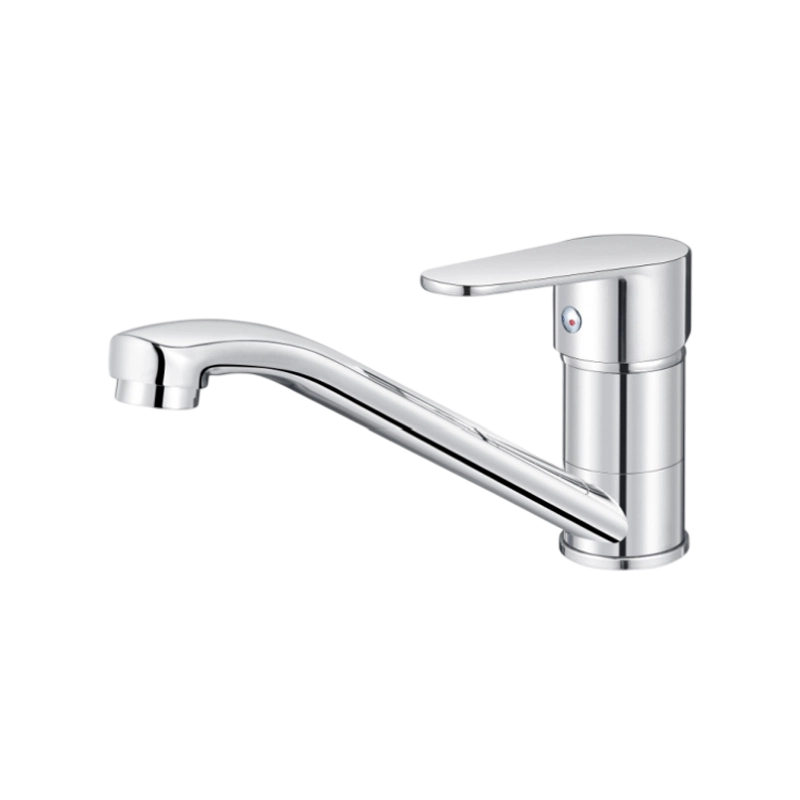
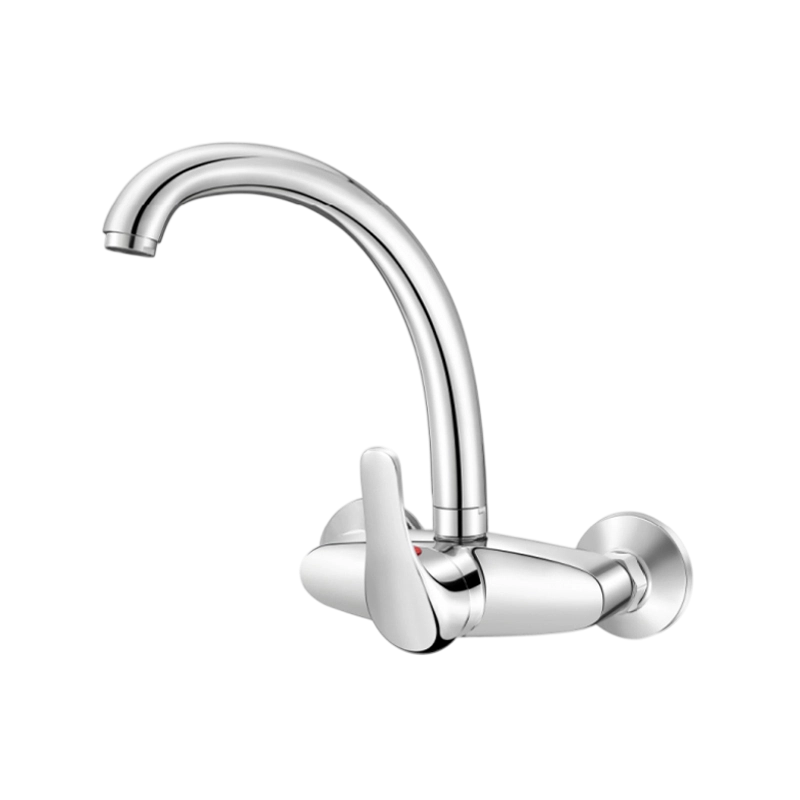
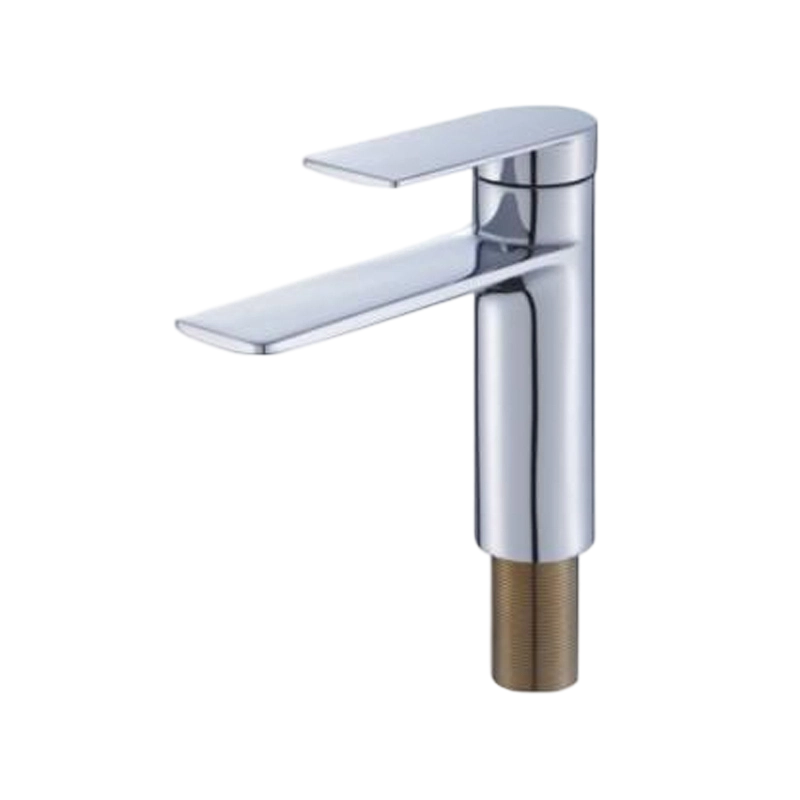
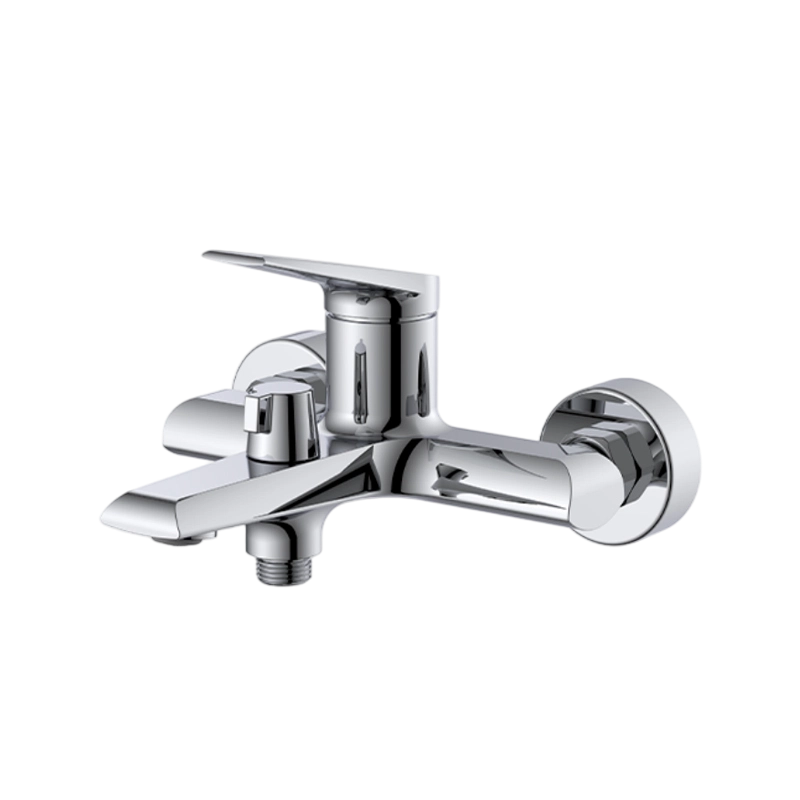
Installed within the wall structure, Built-in Shower Faucet conceals the valve body and water pipes behind the finished wall, exposing only the control panel or handle. Concealed design creates a clean, streamlined appearance while efficiently controlling water flow and temperature from an internal valve system.
Where is it installed?
Hotel bathrooms: Commonly used in high-end hotel standard rooms and suites; offers a minimalist look, is easy to clean, and meets star-rated standards.
High-end residential developments: A standard feature in master bathrooms of newly built, fully finished homes in Europe, the US, and Australia; frequently purchased in bulk by developers.
Spas / Fitness centers: Ideal for public shower areas requiring durability, high water resistance, and the ability to withstand high-frequency usage.
Cruise ships / High-end vacation rentals: Saves wall space in compact environments and allows the fixture's appearance to harmonize with the interior décor.
How it works
Rotate or push/pull the control handle → Adjust water temperature and volume → Water flows through the overhead shower or handheld showerhead. With no exposed piping, cleaning requires only wiping the panel, and maintenance needs are minimal.
Core functions of concealed shower mixers
Hot/cold water mixing — Adjust the ratio of hot to cold water via the handle for precise temperature control.
Flow rate adjustment — Control the volume of water output, adjustable from a trickle to full flow.
Concealed plumbing — The Built-in Shower Faucet body and inlet pipes are embedded in the wall; only the panel and handle are visible externally.
Outlet distribution — Connects to overhead showers, handheld showerheads, or bathtub spouts, allowing for water path switching as needed.
Thermostatic control — Built-in thermal elements automatically maintain the set temperature (fluctuation range of ±1–2°C); ideal for hotels and households with children.
Anti-scald protection — Physically limits the maximum water temperature to prevent accidental burns.
Multi-outlet switching — A single main valve controls 2–3 outlets (e.g., overhead shower, handheld shower, body sprays), allowing them to be activated independently or simultaneously via a diverter.
Pressure-balancing cartridge — Automatically adjusts pressure when water is drawn elsewhere, preventing sudden temperature fluctuations.
What problems does this product solve for buyers?
Private Label Options.Some importers and retailers wish to move away from third-party brands and establish their own bathroom fixture brands. We support logo customization, bespoke packaging, and custom instruction manual printing, helping buyers quickly build brand identity and gain greater control over end-market pricing.
FAQ
What is the difference between a thermostatic valve and a pressure-balancing valve, and which one should I choose?
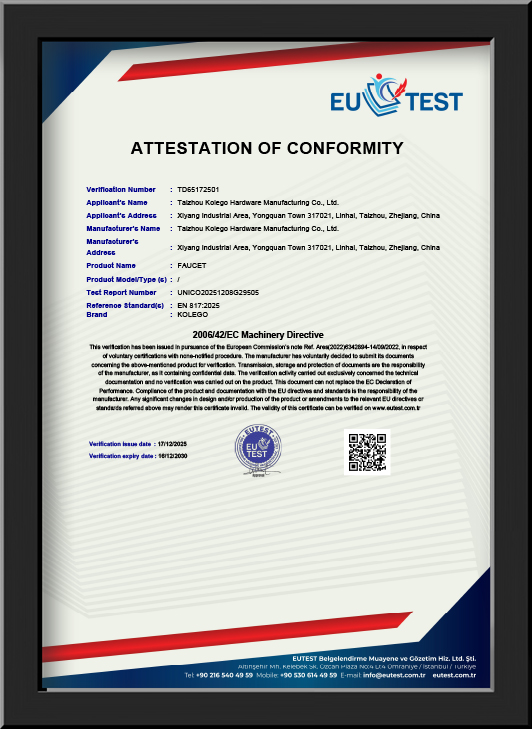
Built-in Shower Faucets offer high precision and are the mainstream choice in the European market. Pressure-balancing valves are a mandatory requirement under cUPC standards in North America. The two types are not interchangeable; the choice depends on your target market.
Which materials are more durable for hard-water regions (e.g., Europe, the Middle East)?
Brass valve bodies offer superior corrosion resistance compared to zinc alloy. For Built-in Shower Faucets exported to Europe and the Middle East, we recommend using H59/H62 brass valve bodies and selecting ceramic cartridges rather than rubber seals.
How do I repair a damaged in-wall pipe?
The valve body of an in-wall unit can be removed for maintenance from the front (via the trim panel) without breaking the wall. However, if the supply lines leak, the wall must be opened; this is why an access panel should be included during the installation of in-wall products.



 English
 Español
 عربى
عربى