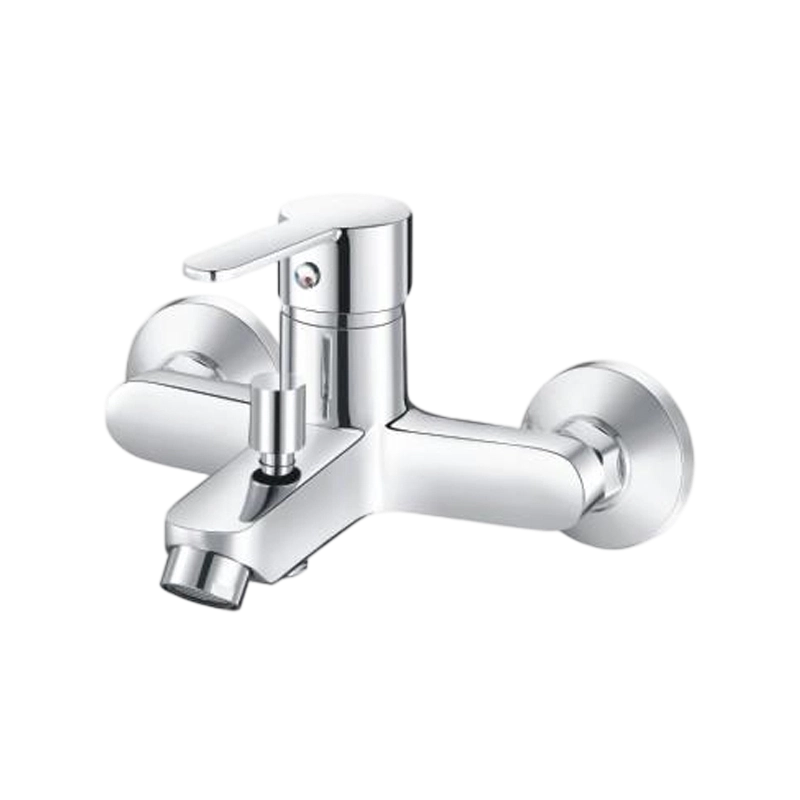
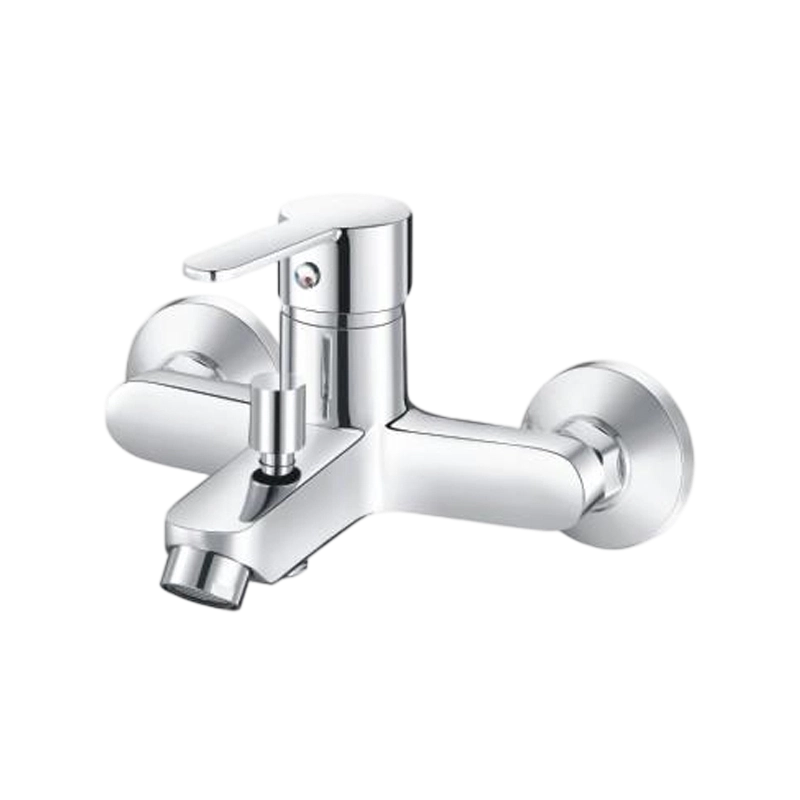
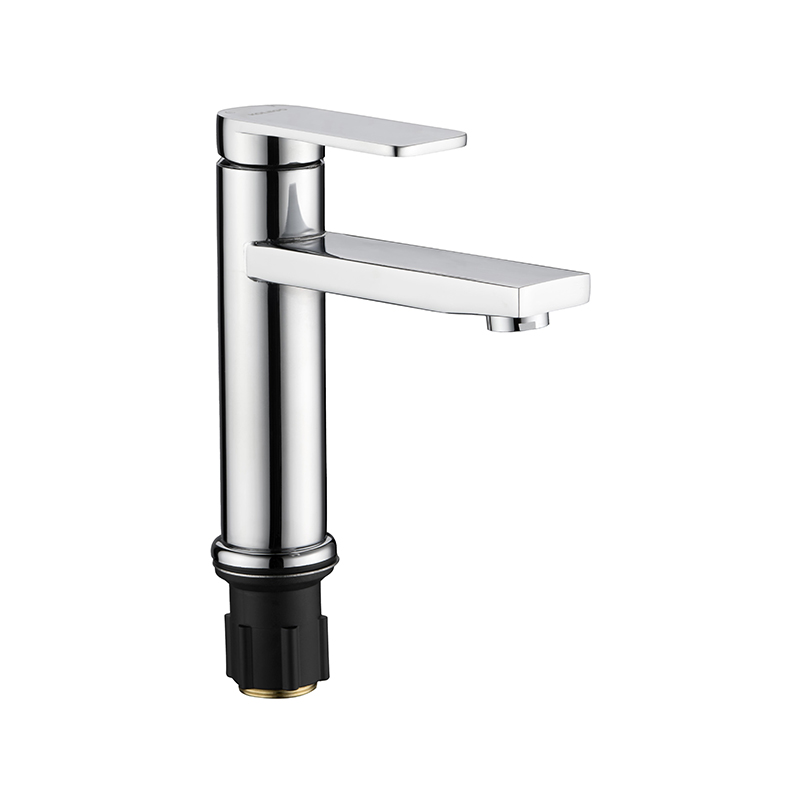
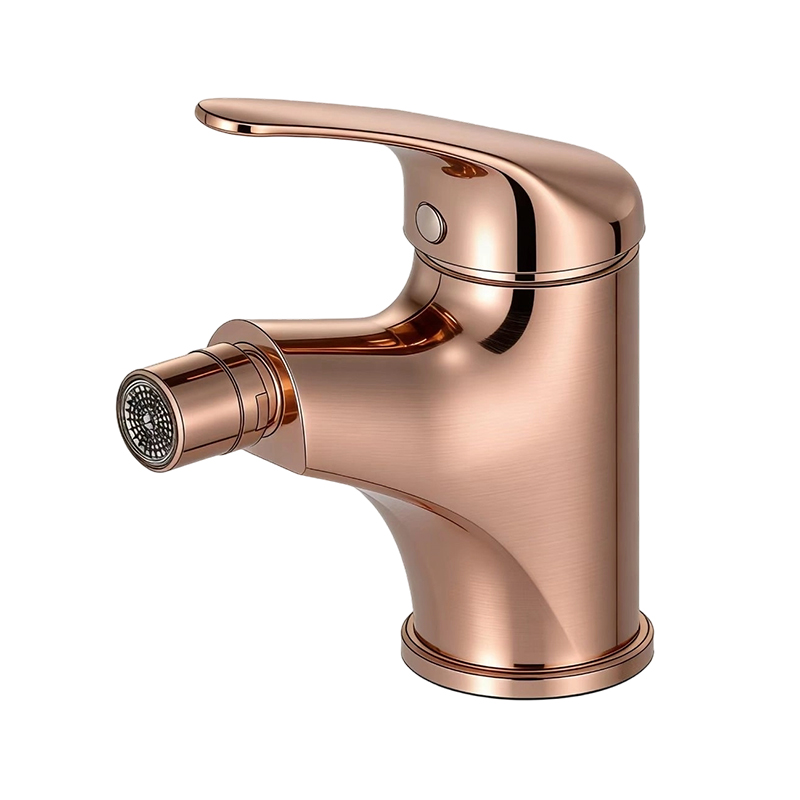
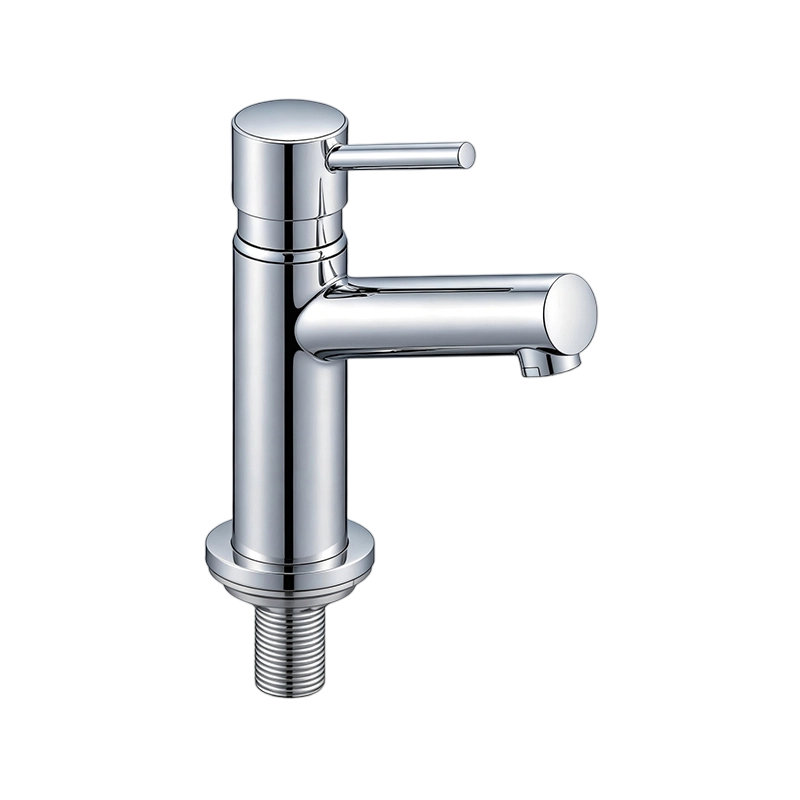
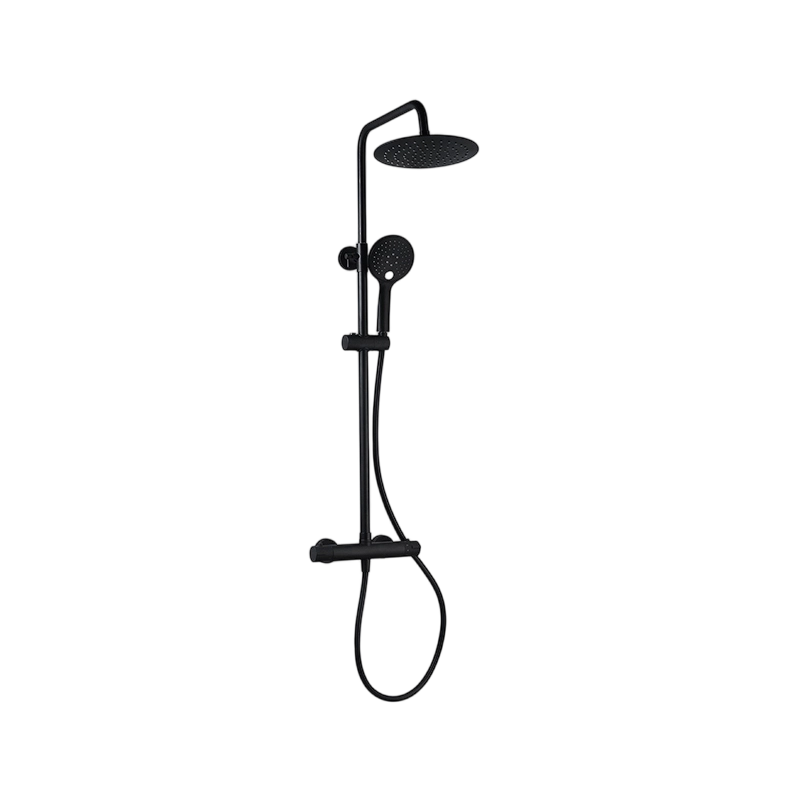
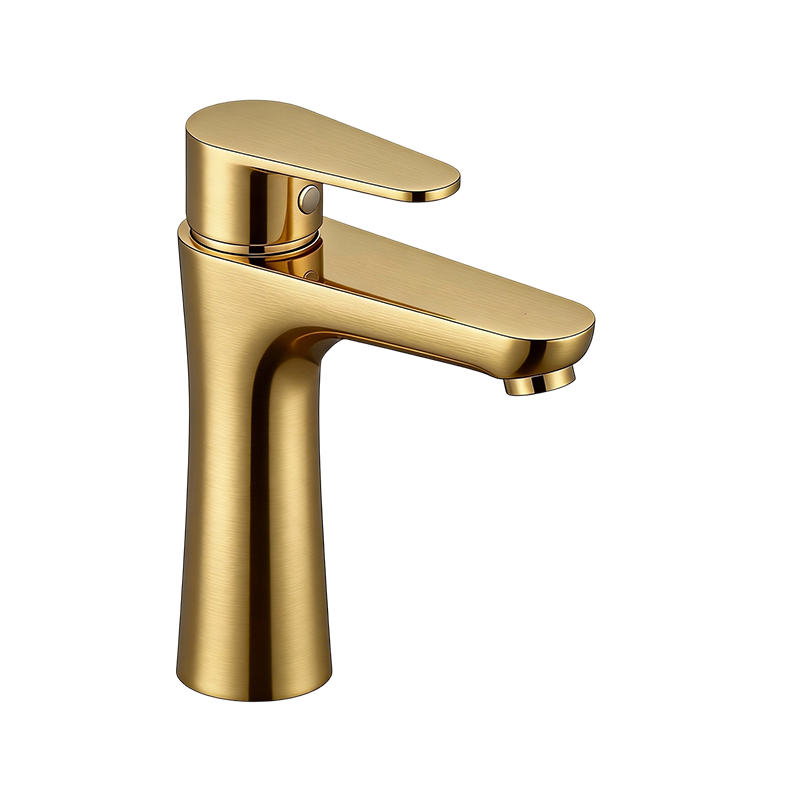
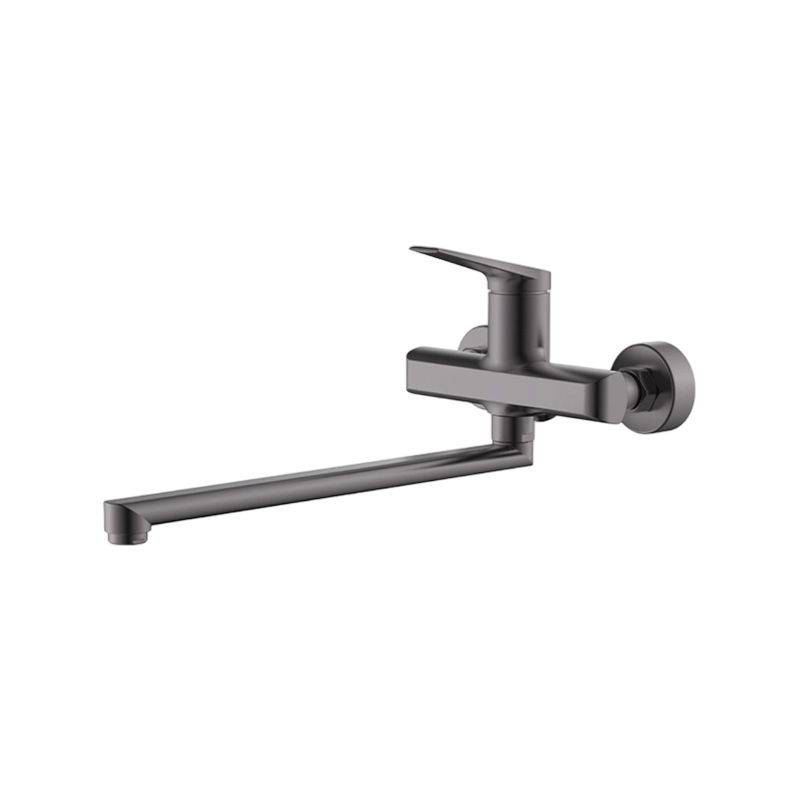
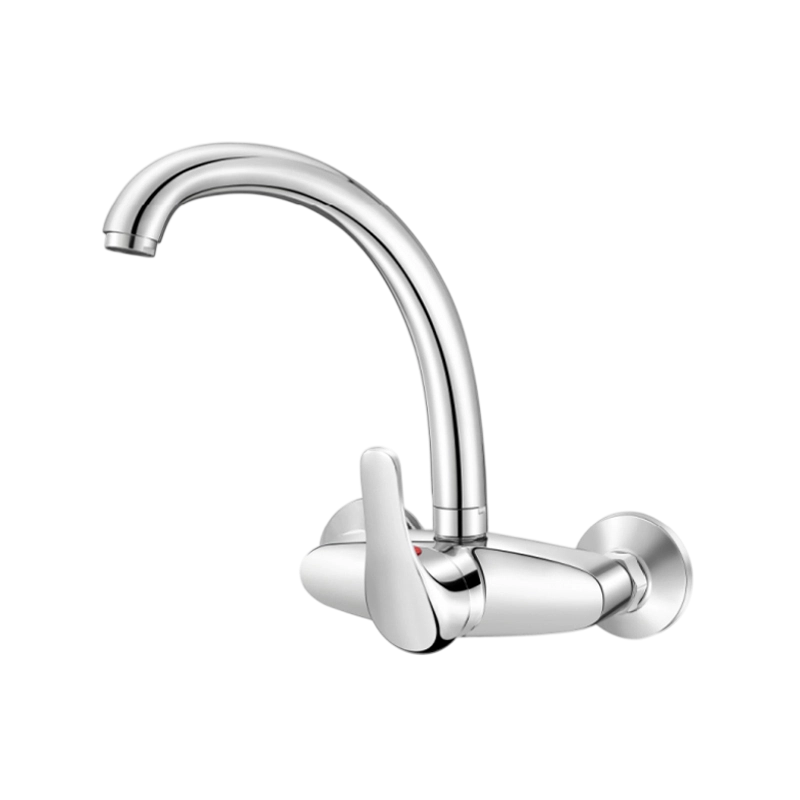
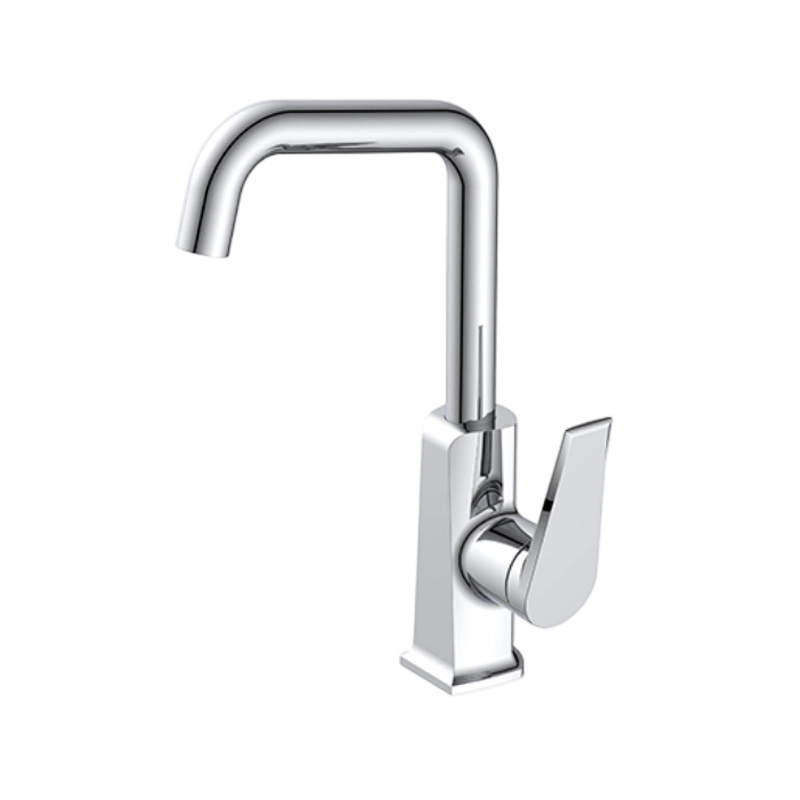
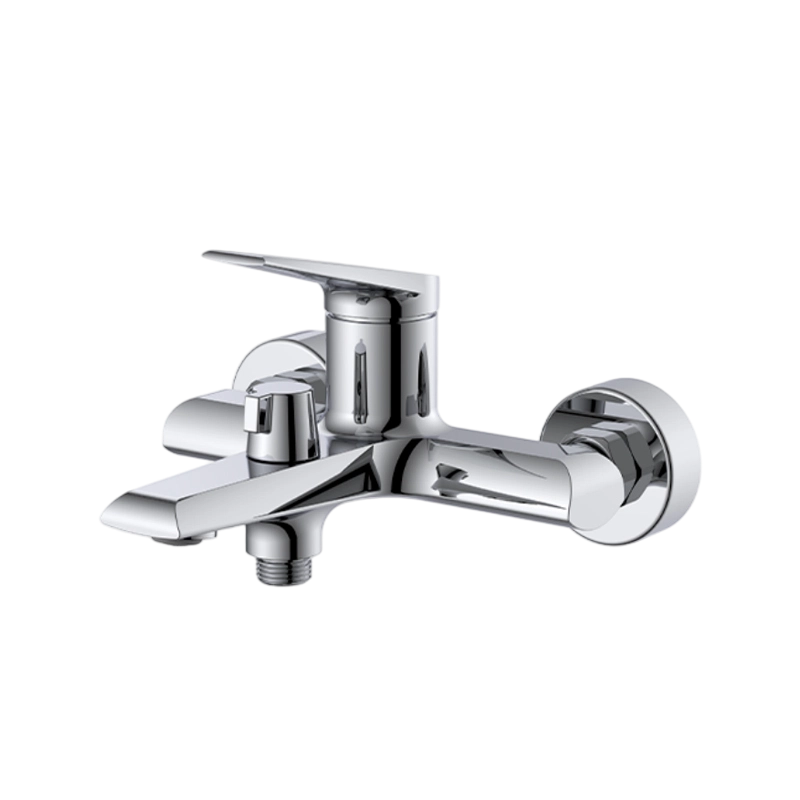
Step into any well-designed bathroom featuring a freestanding bathtub, and you will almost certainly see a Heavy-duty brass wall-mounted bathtub faucet extending from the wall. The valve body, spout, and handle assembly are mounted directly onto the wall surface, while the water supply lines remain concealed within the wall structure. This design eliminates the need for fixtures on the bathtub rim or floor, creating a clean, streamlined look where only the spout and handles protrude toward the bathing area.
What are the key features?
Solid brass valve body and spout ensure long-term structural stability. Brass resists corrosion in the humid, chlorine-rich environments typical of bathtub faucet installations. Compared to zinc alloy, brass allows for higher machining precision; this ensures a more accurate fit for the valve cartridge, thereby reducing the risk of leaks over time. Product weight is a direct indicator of brass content—buyers should request weight specifications when comparing products, as brass is significantly denser than zinc alloy for the same external dimensions.
Wall-mounted installation with concealed supply lines. The Heavy-duty brass wall-mounted bathtub faucet body is secured to the wall, with supply connections passing through the wall structure. This design saves deck space, requires no floor-mounted fixtures, and accommodates various bathtub types (freestanding, built-in, or alcove) without the need for pre-drilled holes. The result is a clean wall aesthetic with only the spout and handles visible—a key reason why this product is favored in high-end bathroom designs.
Ceramic valve cartridge ensures drip-free performance over the long term. When installed in a brass valve body, the ceramic cartridge offers superior dimensional consistency compared to zinc alloy castings; furthermore, it withstands wear from particulate impurities in the water supply far better than traditional rubber washer designs. Parameters such as cartridge diameter and service life (cycle count) should be confirmed with the supplier, and relevant records retained for warranty purposes.
Temperature and flow control options are available in both single-handle and dual-handle configurations. Both styles are in high demand across various buyer demographics and design aesthetics: single-handle designs complement modern and minimalist bathroom schemes, while dual-handle designs suit transitional or traditional styles. For buyers serving diverse project types or retail segments, the ability to source both handle configurations based on the same valve body platform from a single supplier offers a significant advantage.
Surface finishes are engineered specifically for long-term exposure to humid environments. Chrome plating applied to a brass substrate offers superior adhesion and long-term corrosion resistance compared to the same process applied to zinc alloy. The substrate determines the plating's bond strength and its resilience against the micro-abrasion caused by daily cleaning. Salt spray test results for each finish—verified by production batch—serve as critical supplier credentials, transforming marketing claims into documented performance standards.
How do we address these pain points?
When zinc alloy is used as the substrate, coating failure in high-usage environments is often predictable; unfortunately, such failures frequently occur within the warranty period, catching buyers off guard. Chrome peeling on grip areas, oxidation of brushed nickel finishes, and matte black coatings wearing away at edges to expose the substrate—these are not merely random quality defects. The root cause lies in the fact that zinc alloy cannot maintain coating adhesion as effectively as brass when subjected to repeated contact with water, cleaning agents, and daily operation.
In the mid-range faucet market, misleading material descriptions pose a genuine supply chain risk. Products listed as "brass" in catalogs may actually feature a zinc alloy body with a brass-colored electroplated finish, or a hybrid construction using brass only for visible components. If a buyer specifies brass products for commercial clients but receives zinc alloy instead, they risk reputational damage should the coating fail during a hotel installation or within a developer's warranty period. Requesting data on individual product weights (brass is significantly heavier than zinc alloy for the same dimensions) and signed material declarations serves as a practical way to distinguish reliable suppliers from those who rely solely on catalog marketing.
Missing dimensional data can lead to specification errors during installation. When developers or designers specify Heavy-duty brass wall-mounted bathtub faucets for freestanding bathtubs, they require precise data on spout reach and height to ensure the water outlet is correctly positioned relative to the tub's inner wall. Inaccurate catalog dimensions often result in installation misalignment; regardless of the source of the error, the responsibility for resolving the issue ultimately falls on the distributor. Designers and buyers are far more confident specifying products from suppliers who provide accurate, consistent dimensional specifications and ensure data continuity across different catalog versions.



 English
 Español
 عربى
عربى