

 English
 Español
 عربى
عربىA high-curve stainless steel countertop basin faucet is built specifically for vessel sinks. It sits taller than a standard faucet and the spout reaches further over the basin edge, so water lands in ...
See Details
 Email: [email protected]
Minimum order quantity, or MOQ, is often the first question a buyer asks a faucet supplier, and for good reason. It decides how much capital gets tied up in a single purchase order, how much warehouse space a distributor needs to set aside, and whether a new product line can be tested before committing to a full container.
For a wholesale buyer bringing in a new water faucet model, or an OEM/ODM client testing a private label design, MOQ is not just a number on a quotation. It shapes cash flow planning, retail pricing, and how quickly a new SKU can go from sample to shelf. Understanding how MOQ gets set — and where there is room to negotiate — makes the sourcing process a lot less stressful.
MOQ is not an arbitrary number. Factories set it based on production efficiency: casting, machining, plating, and assembly lines run more economically when a batch reaches a certain size. Running a very small batch through a full production line still uses setup time, tooling changeover, and quality inspection resources, which is why some factories set a baseline order size for standard items.
That said, MOQ policy varies widely between suppliers. Some factories keep a fixed threshold across their catalog. Others, particularly those that already run in-stock standard models, can accept smaller trial orders because the tooling and finish are already set up for other clients, and the marginal cost of adding a few more units to an existing production run is lower.
A faucet already in the factory's catalog, using an existing mold and finish, usually carries a lower MOQ than a fully custom design that requires new tooling.
Requesting a finish outside the factory's standard plating run, such as a specific matte or gold-tone color, can raise MOQ because it often requires a separate plating batch.
Private label packaging, custom color boxes, and printed instruction manuals may carry their own minimum print run, separate from the faucet unit MOQ itself.
A factory that owns its production line can sometimes offer more flexibility on smaller orders than a trading company that needs to meet a factory partner's own minimum first.
The table below outlines the general pattern buyers can expect when comparing a small trial order against a larger bulk order. Exact figures depend on the supplier and product, so treat this as a planning reference rather than a fixed rule.
General comparison pattern for water faucet orders — confirm exact terms with the supplier.| Factor | Small / Trial Order | Large / Bulk Order |
|---|---|---|
| Unit pricing | Closer to standard list price | Volume-based pricing tiers, often with a discount |
| Customization scope | Usually limited to existing finish and packaging options | Broader scope, including new mold or finish requests |
| Lead time | Can often be shorter if made from stock components | Longer, since raw material and plating batches are scheduled around the order size |
| Shipping method | Often consolidated with other cargo or sent by air/courier | Typically shipped by full or partial container load |
| Purpose | Market testing, sample validation, small retail runs | Established product lines, seasonal restocking, contract supply |
Testing a new water faucet design in a new market, validating finish and packaging with a limited retail run, or supplying a smaller project before scaling up.
Restocking an established SKU, supplying a distribution network across multiple regions, or locking in volume-based pricing for a full season.
Kolego is a Zhejiang-based manufacturer producing water faucets for kitchen, washbasin, bidet, bathtub, and shower applications in both brass and stainless steel. The company applies a flexible minimum order quantity policy: small trial orders are accepted with no fixed minimum threshold, which helps reduce upfront purchasing pressure for buyers testing a new product or market. Larger orders are welcomed as well, with volume-based pricing available to support buyers scaling up a repeat purchase.
This approach gives buyers room to start small — validating a design or finish with a limited trial order — and then move into a larger production run once the product is confirmed for the target market, without renegotiating the supplier relationship from scratch.
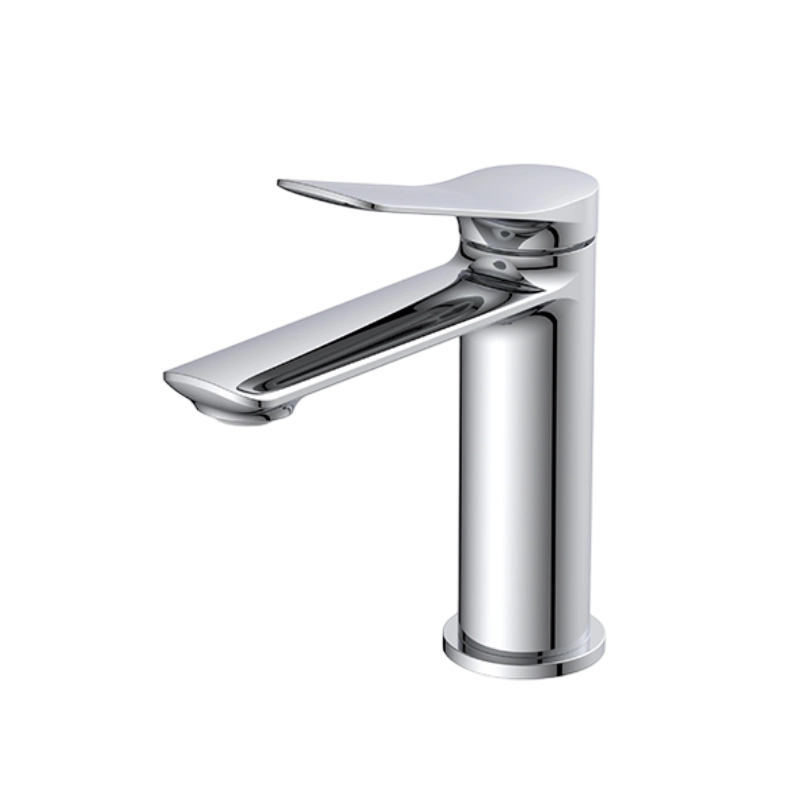
View Water Faucet Range →A stainless steel design suited to a smaller trial order for buyers testing the material category before scaling up.
View product →A widely requested configuration that works well as a starter SKU for a first trial order.
View product →A standard mold design that can support both a small trial batch and a larger repeat order without new tooling.
View product →Kolego accepts small trial orders without a fixed minimum threshold, so a buyer can start with a limited quantity before scaling to a larger repeat order. Exact terms should be confirmed at the inquiry stage.
Yes. Larger orders are eligible for volume-based pricing, which lowers the per-unit cost as quantity increases, while smaller orders remain accessible at standard pricing.
Buyers are welcome to combine multiple product variants within a single purchase order. Confirm the specific mix and quantity split with the sales team when requesting a quotation.
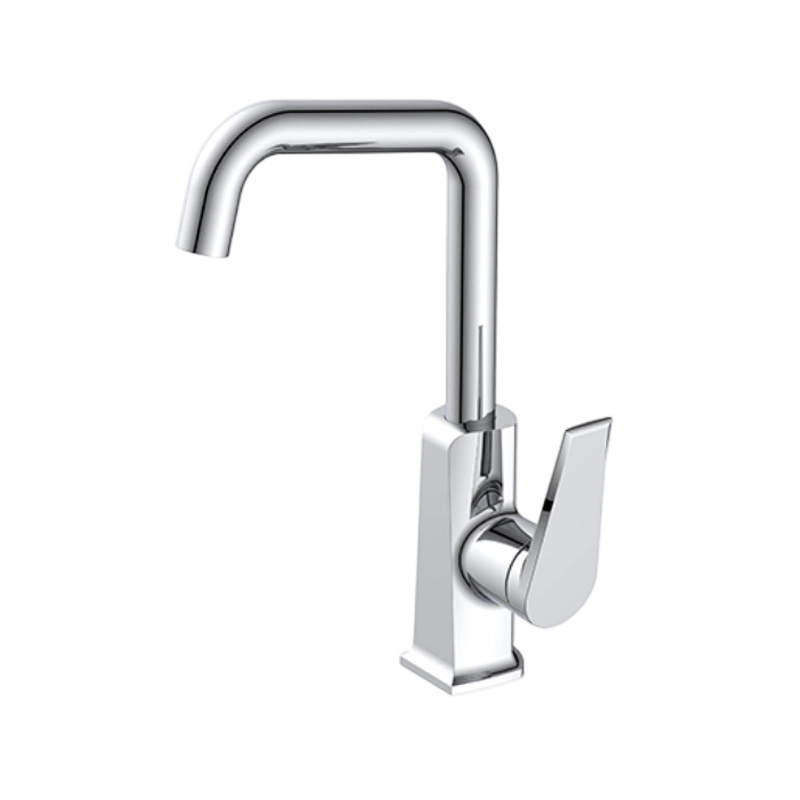
A high-curve stainless steel countertop basin faucet is built specifically for vessel sinks. It sits taller than a standard faucet and the spout reaches further over the basin edge, so water lands in ...
See Details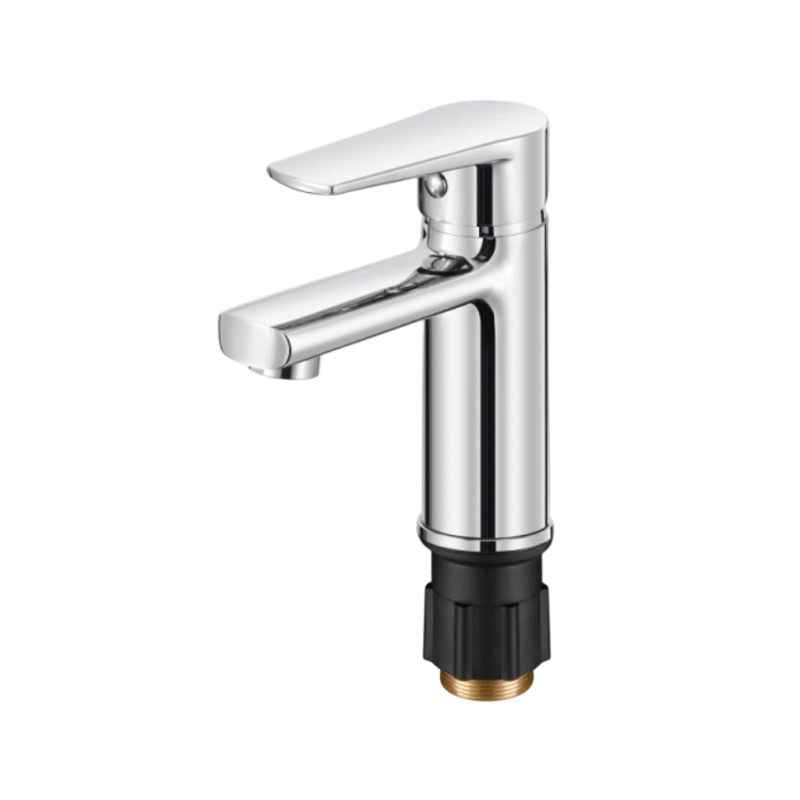
Stainless steel basin faucet with quick-release base is a standard single-handle basin faucet with one key upgrade — a quick-install mounting base that speeds up the fixing process underneath the basi...
See Details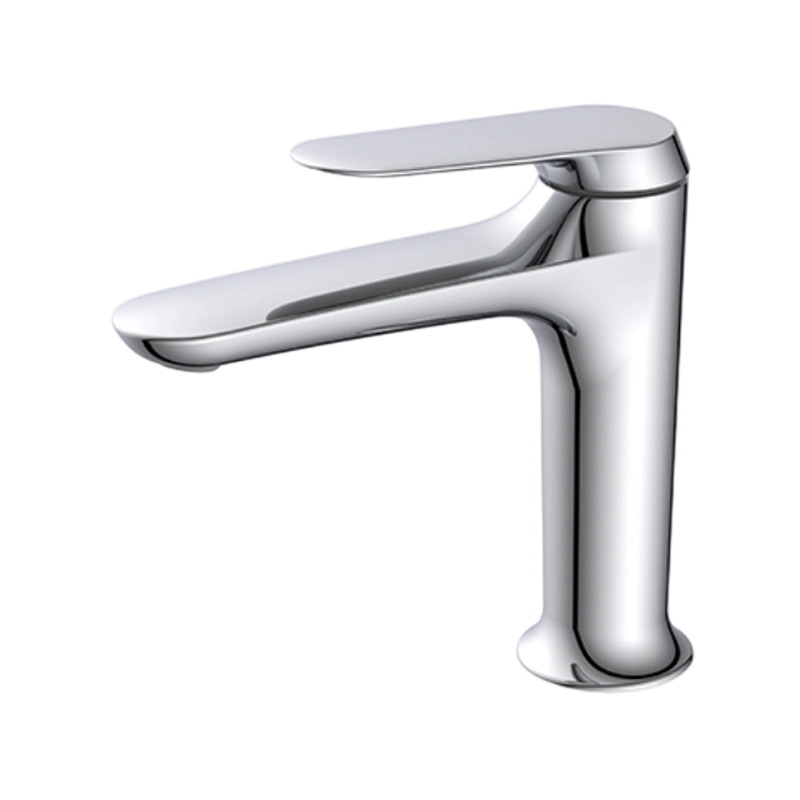
Single-handle streamlined brass mixed basin faucet is installed on a washbasin, countertop basin, or sink, and uses one handle to control both water flow and the hot-cold mix at the same time. The bod...
See Details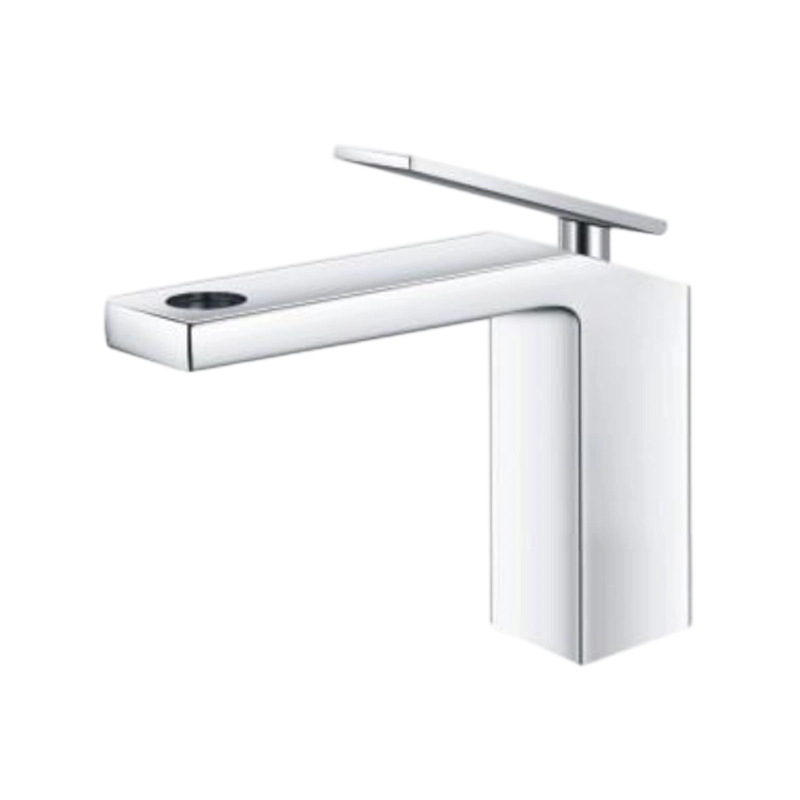
Hot and cold water mixer faucet for bathroom vanities. Its design features a slim, geometric style — clean lines and an extremely thin valve body, making this slim geometric bathroom washbasin faucet ...
See Details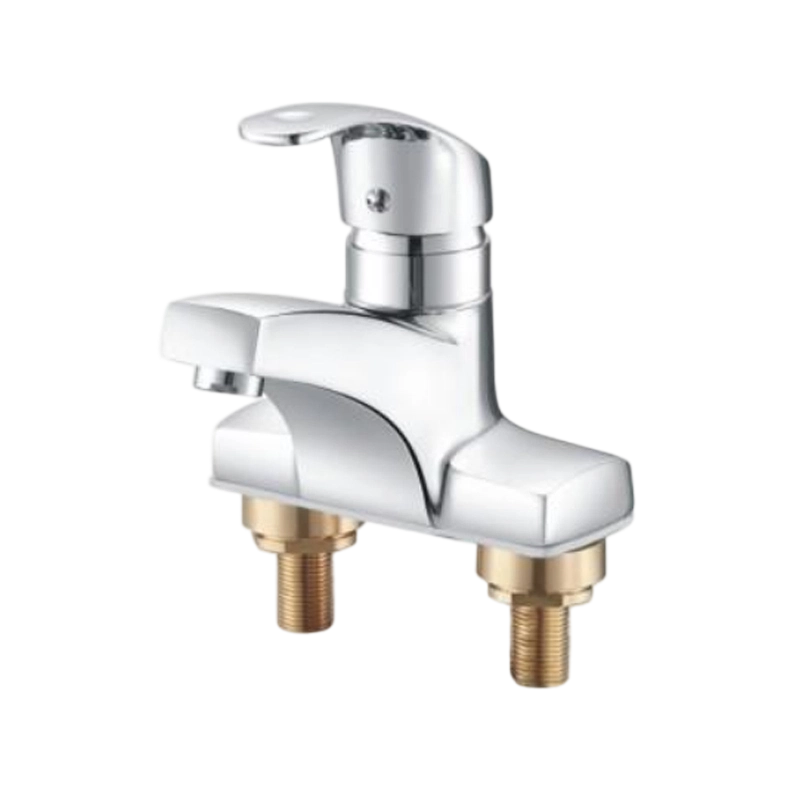
This is Heavy-Duty Solid Double-Hole Washbasin Faucet installed on a washbasin. The dual-hole design means that the hot and cold water inlets pass through two holes on the countertop. "Solid" refers t...
See Details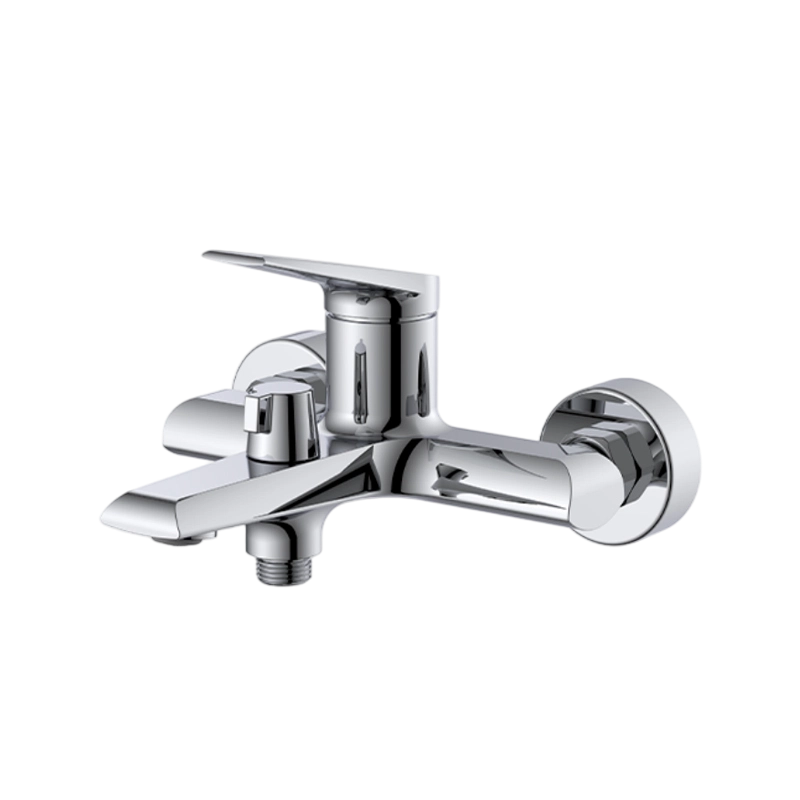
This Wall-mounted bathtub mixer faucet is designed for installation on the bathroom wall to deliver a blend of hot and cold water to the tub. Featuring a minimalist structure, it mounts directly to th...
See Details

