

 English
 Español
 عربى
عربى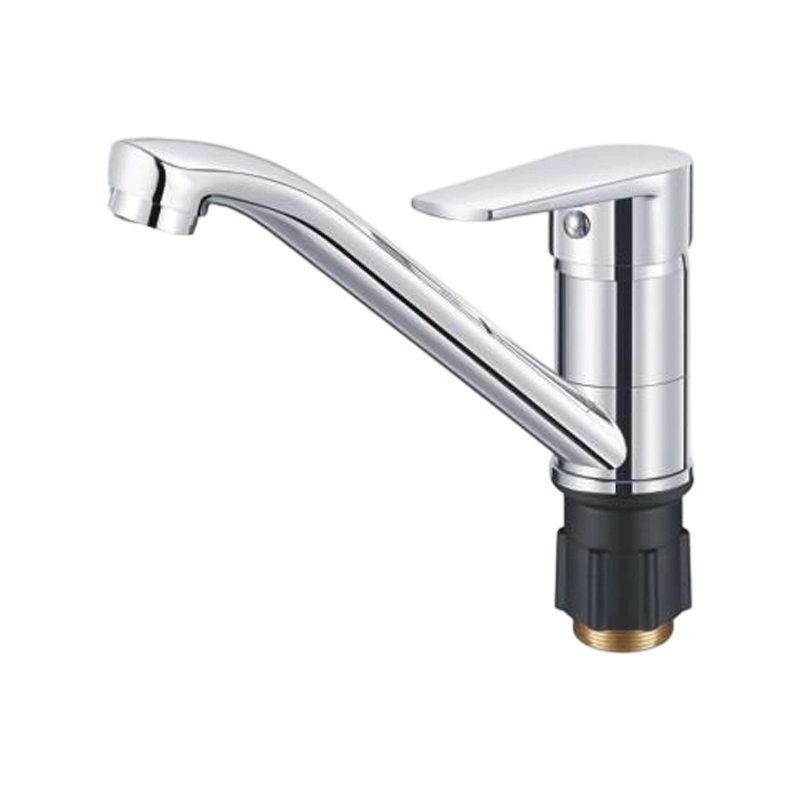
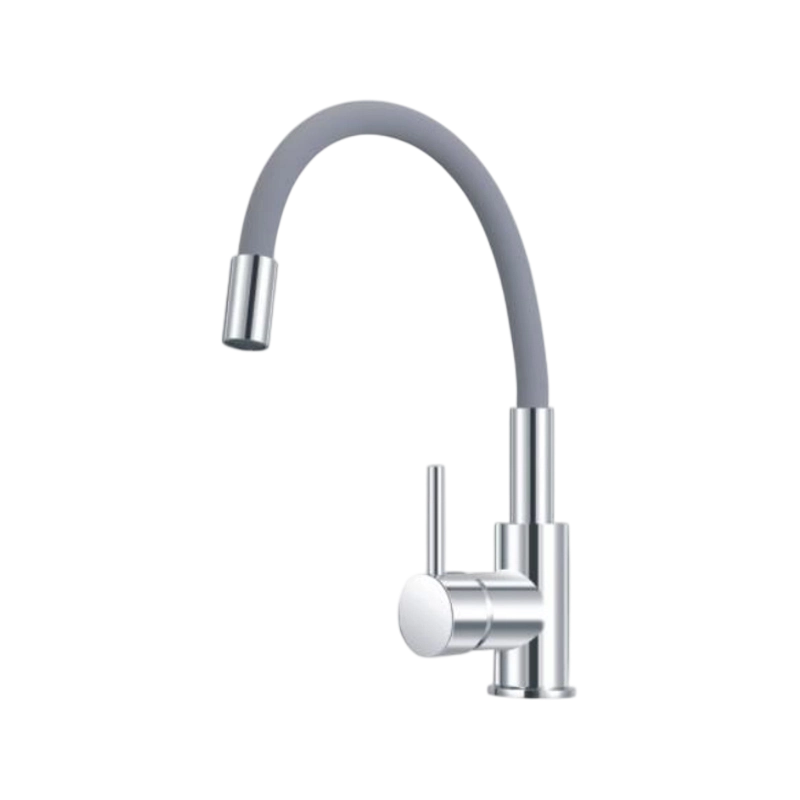
A high-arc rotating vertical kitchen faucet with mounting base does two things at once: it gives you a tall, swiveling spout with real clearance for large pots and pans, and it solves the hole mismatc...
See Details1Why Quality Standards Matter for B2B Buyers
A brass water faucet can look identical to a competitor's model on a product page and still perform very differently after a year in daily use. The difference usually comes down to a handful of measurable standards: what the brass alloy is made of, how the cartridge holds up under repeated use, how thick the plating layer is, and which certifications the product can actually back up with paperwork.
For a wholesale buyer, understanding these standards is less about becoming a metallurgist and more about knowing which questions to ask a supplier during the inquiry stage. This guide covers the core standards in plain terms, with reference tables for the numbers that come up often in a quotation comparison.
2Material Standards: Lead-Free Brass Composition
Brass used in water faucets is a copper-zinc alloy, sometimes with small additions of other elements to improve machinability or casting quality. The specific alloy grade affects strength, corrosion resistance, and — importantly for drinking water applications — lead content.
Many markets now require lead-free brass for any faucet in contact with drinking water. In the United States, this generally means a weighted average lead content of 0.25% or less across the wetted surface, under standards referenced by the Safe Drinking Water Act. Other markets apply their own thresholds, so buyers selling into different regions should confirm which standard applies to their specific destination.
Common brass alloy references used in faucet manufacturing — confirm exact alloy grade with the supplier.| Alloy Type | General Composition | Common Use |
|---|---|---|
| Standard leaded brass (e.g. HPb59) | Copper-zinc alloy with a small lead content for machinability | Markets without strict lead-content restrictions |
| Lead-free brass alloys | Copper-zinc alloy with bismuth or silicon substituted for lead | Markets requiring compliance with lead-free drinking water rules |
| Dezincification-resistant (DZR) brass | Brass alloy treated to resist zinc loss in aggressive water conditions | Regions with higher chloride content in the water supply |
Buyer tip: ask for a material test report (MTR) or mill certificate showing the actual alloy composition, rather than accepting a general "brass" or "lead-free" label without supporting documentation.
3Performance Standards: Pressure and Cycle Testing
Beyond material composition, a faucet needs to hold up mechanically. Two tests come up often in factory quality control: water pressure testing and cartridge cycle testing.
Pressure testing checks whether the faucet body and connections hold water without leaking at a set pressure level, usually well above normal household water pressure to build in a safety margin. Cycle testing checks how many times a cartridge can be turned on and off before performance drops, since the cartridge is typically the first part to wear out on a faucet.
General performance reference points — actual test values vary by product and factory.| Test Type | What It Measures | Typical Reference Range |
|---|---|---|
| Hydrostatic pressure test | Leak resistance under water pressure | Often tested at a multiple of normal operating pressure, per factory protocol |
| Ceramic cartridge cycle test | Handle operation durability over repeated use | Commonly rated in the range of several hundred thousand open-close cycles |
| Flow rate check | Water output consistency at the aerator | Roughly 1.8–2.2 GPM (6.8–8.3 L/min) for standard aerators |
These figures are general reference points seen across the industry, not guaranteed results for any specific product. A supplier's own test report, ideally from an accredited lab, is the more reliable source for exact figures on a given faucet model.
4Surface Finish Standards: Plating and Corrosion Resistance
The finish on a brass water faucet is not just decorative — it protects the base metal from corrosion and wear. Chrome plating remains a common finish because it combines a bright appearance with good corrosion resistance when applied correctly. Matte black, brushed nickel, and gunmetal finishes typically use a PVD (physical vapor deposition) coating process instead of traditional electroplating.
Salt spray testing
A standard method (often referenced against ASTM B117) for measuring how long a plated surface resists corrosion in a controlled salt-fog environment. Results are usually reported in hours.
Plating thickness
Measured in microns, thicker chrome or nickel layers generally offer better long-term corrosion resistance, though thickness requirements vary by finish type and market.
When comparing quotations, ask each supplier for their salt spray test duration and plating thickness rather than relying on a general description like "durable finish," since these terms are not standardized between suppliers on their own.
5Certification References Buyers Should Recognize
Certifications provide independent confirmation that a faucet meets a defined standard, which is useful both for import compliance and for building trust with your own retail or project clients.
Certification references confirmed with supporting documentation — ask a supplier for proof rather than a general claim.| Certification / Standard | Region | What It Covers |
|---|---|---|
| CE Marking | European Economic Area | General conformity with applicable EU safety and performance directives |
| ISO 9001 | International | General manufacturing quality management system, not product-specific |
Certification requirements vary by destination market, so it is worth confirming which references apply to your target country and asking the supplier for the actual certificate rather than a general claim on a product page.
6Manufacturing Process Checks Behind These Standards
Standards on paper only mean something if the production process actually supports them. Here is how these checks typically show up on the factory floor, based on the process stages a brass faucet passes through before it reaches packaging.
Process-stage checks referenced by faucet manufacturers, based on general factory process documentation.| Production Stage | Typical Check |
|---|---|
| Incoming raw copper | Supplier's spectro analysis report reviewed, followed by an internal spectro analysis before the material is accepted into production |
| Sand core making | Multiple sand core-making machines running in parallel to keep core supply consistent for the casting stage |
| Casting | Gravity casting equipment paired with spectroscopic analysis on each batch of molten copper to check alloy composition before casting |
| CNC machining | Multi-operation CNC processing for thread accuracy, followed by a peeling step to prepare the body surface for polishing |
| Polishing | Dedicated polishing stations fitted with dust extraction systems |
| Electroplating | Plating thickness tester used to check each plated batch, with a post-plating inspection step to catch thin spots or surface defects |
| Assembly | Components move from semi-finished parts to finished units with a quality check built into the assembly line |
Asking a supplier which of these checks they apply, and at which stage, is a useful way to see whether their quality process matches what they describe in a quotation.
7How to Verify Quality Before Placing an Order
- Request a material test report or mill certificate confirming the brass alloy composition.
- Ask for salt spray test results and plating thickness figures for the specific finish you are ordering.
- Confirm which certifications the supplier holds directly, and which would need to be arranged separately for your order.
- Order a pre-production sample and inspect the cartridge brand, weight, and surface finish in hand before approving mass production.
- Consider a third-party inspection at the factory before shipment, especially for a first-time order with a new supplier.
Summary: a brass water faucet is only as reliable as the standards behind it. Checking material composition, test results, and certification paperwork during the inquiry stage is a straightforward way to avoid quality issues after the order has already shipped.